
Phone: +86 15398058207
E-mail: sales@flexiturn.com
Add: Room 603 Building C, The Huixin Center, Zhangba One Road, Yanta Zone, Xi'an City, Shaanxi Province, China
How to choose a copper CNC machining service manufacturer?
Why Copper Needs a Skilled Machining Partner
Copper is the workhorse of the modern world's electrical and thermal systems. Its exceptional electrical conductivity, thermal performance, and corrosion resistance make it the material of choice for busbars, electrical connectors, heat sinks, RF components, and medical devices. When your product's performance depends on a copper component, the manufacturer behind it matters enormously.
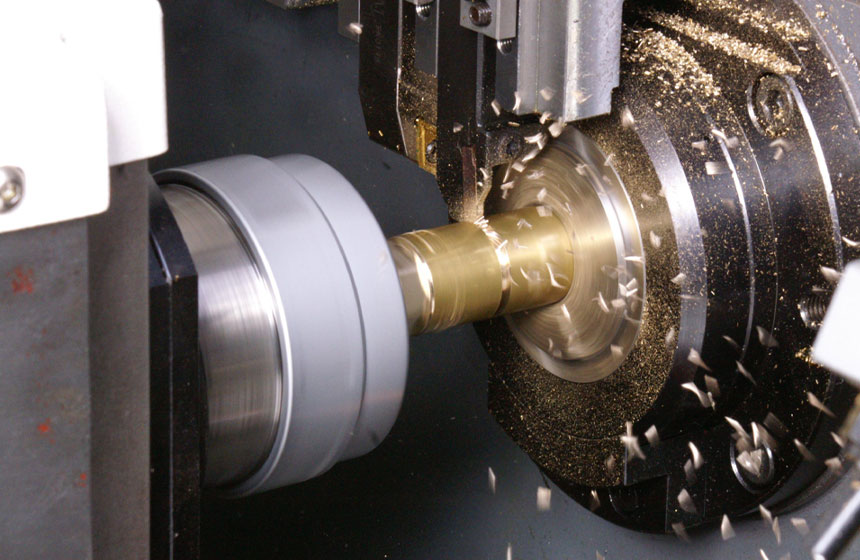
Copper is also a notoriously difficult material to machine well. It is soft, gummy, highly conductive - and unforgiving of poor tooling and process control. Choosing the right copper CNC machining service manufacturer determines whether you get clean, burr-free, dimensionally accurate parts - or a pile of scrap with fused edges. Here is how to choose wisely.
Step 1: Choose the Right Copper Grade
Not all copper is the same. The grade you specify affects conductivity, machinability, and cost:
| Grade | Key Characteristics | Typical Applications |
| C110 (ETP Copper) | High conductivity, general purpose | Busbars, connectors, heat sinks, bus terminals |
| C101 (OFHC Copper) | Highest purity and conductivity, oxygen-free | RF components, vacuum electronics, superconductors |
| C145 (Tellurium Copper) | Free-machining, retains conductivity | Precision-machined electrical parts, connectors |
| C17200 (Beryllium Copper) | High strength, spring properties, conductive | Springs, connectors, high-reliability contacts |
| C260 (Cartridge Brass) | Not pure copper, but common for fittings | Fittings, terminals, fasteners |
If your part needs maximum conductivity, C101 or C110 is standard. If you need machinability without sacrificing too much conductivity, C145 tellurium copper is a smart choice. A knowledgeable manufacturer will advise you on this trade-off rather than leaving it to guesswork.
Step 2: Look for Copper-Specific Machining Expertise
Copper's physical properties create unique machining challenges that separate experienced shops from the rest:
1. Softness and gummy behavior. Copper tends to smear rather than cut cleanly, producing burrs and torn edges. Sharp, positive-rake tooling with the right chip load is essential.
2. Burr control. Burrs on electrical contacts and busbar edges are not just cosmetic - they can cause arcing, poor seating, and field failures. A specialist shop designs tool paths and finishing passes specifically to minimize and remove burrs.
3. Heat conductivity. Copper pulls heat away from the cut zone rapidly, which sounds helpful - but it also means the tool experiences rapid temperature cycling. Proper cutting parameters prevent tool wear and maintain finish.
4. Work hardening at the surface. Despite being soft, copper work-hardens at the surface under improper machining. Correct feeds and speeds prevent this.
5. Chip evacuation. Long, stringy copper chips can wrap around tools and damage the part. Experienced shops use chip breakers and effective coolant strategies.
Ask each shortlisted manufacturer how they handle these challenges. Specific, confident answers indicate daily copper experience; vague answers suggest copper is an occasional job for them.
Step 3: Verify Equipment and Tooling Capability
Copper parts span a wide range - from tiny RF connectors to large busbars - and the right manufacturer should have the equipment to match:
- CNC milling for complex connector and heat-sink geometries;
- CNC turning with live tooling for terminals, bushings, and threaded fittings;
- Precision sawing and bar processing for busbar fabrication;
- Wire EDM for intricate or hardened copper-alloy features;
- Sharp, dedicated tooling maintained per material to avoid cross-contamination of setup quality.
In-house capability matters. A manufacturer that owns its machines and tooling controls quality, cost, and lead time without depending on subcontractors.
Step 4: Check Quality Control and Inspection
For electrical and thermal applications, dimensional accuracy is critical - a mis-sized connector or a burred busbar can fail in service. Your copper machining partner should provide:
- ISO 9001:2015 quality management as a baseline;
- CMM inspection for critical dimensions, hole positions, and tolerances;
- First Article Inspection (FAI) on new parts;
- Material certificates confirming grade and purity - essential for high-conductivity applications;
- Conductivity verification where the application demands it;
- Dimensional reports shipped with every order.
For medical or aerospace copper components, traceability and documented inspection are non-negotiable. Verify the capability before you commit.
Step 5: Evaluate Finishing and Secondary Operations
Copper parts often need secondary processing to perform and protect:
- Deburring and edge rounding - critical for electrical safety and seating;
- Plating - nickel, tin, silver, or gold plating improves solderability, corrosion resistance, and contact performance;
- Polishing - for visible or contact surfaces;
- Surface passivation or anti-tarnish treatment - copper oxidizes; a protective finish preserves performance and appearance;
- Assembly - press-fitting contacts, terminals, or inserts.
Ask whether finishing is included in your quote and whether it's performed in-house or by vetted partners. Transparency prevents surprises.
Step 6: Assess DFM Support and Engineering Communication
A great copper machining manufacturer is a design partner:
- DFM feedback on wall thickness, bend radii, connector geometries, and tolerances;
- Material advice - which copper grade best balances conductivity, machinability, and cost for your application;
- Engineer-to-engineer communication with written confirmation of all specifications;
- Proactive progress updates from quoting through delivery.
The right partner catches a design issue before you pay for tooling - not after your connector fails in the field.
Step 7: Compare Pricing and Lead Time
- Lead time: Standard copper prototypes typically run 3–7 days; production scales with volume and complexity.
- Pricing: Itemized quotes - material, machining, finishing, and setup - with no hidden charges. Beware of oddly low quotes that grow later.
Remember that copper prices fluctuate with the market. A transparent manufacturer accounts for this in their quote and communicates material-cost adjustments in advance - never as a surprise.
Why Choose FlexiTurn for Copper Machining
FlexiTurn is a precision CNC machining services provider with proven expertise across the copper family:
- Material expertise. Daily experience with C110, C101, C145, beryllium copper, and more;
- Burr-free precision. Tool paths and processes designed specifically for copper's soft, gummy behavior;
- Modern equipment. 3-axis to 5-axis milling and turning with live tooling, plus wire EDM and precision sawing;
- Documented quality. ISO 9001-compliant processes, CMM inspection, FAI, and material traceability;
- Finishing under control. Plating, polishing, deburring, and anti-tarnish treatments in-house or via vetted partners;
- Instant quoting with DFM feedback. Upload your model and get an itemized quote with manufacturability suggestions in minutes;
- Engineer-to-engineer support. Talk directly with engineers who understand copper's electrical and machining properties.
From a single RF prototype to high-volume busbar production, FlexiTurn machines copper right - clean edges, tight tolerances, and consistent quality.
Frequently Asked Questions
What is the most machinable type of copper?
C145 tellurium copper offers the best machinability while retaining excellent conductivity - ideal for precision-machined electrical parts. C17200 beryllium copper is also machinable and offers high strength.
How do you prevent burrs on copper parts?
Through sharp tooling, optimized tool paths, dedicated finishing passes, and deburring operations - the process discipline of a shop that machines copper daily.
Can you hold tight tolerances on copper?
Yes. FlexiTurn holds ±0.05 mm standard and tighter on critical features, verified by CMM inspection.
Do you offer plating for copper parts?
Yes - nickel, tin, silver, and gold plating for improved solderability, corrosion resistance, and contact performance.
Can copper be machined for RF and electrical applications?
Absolutely. We machine C101 OFHC copper for RF components and high-conductivity electrical parts, with material certificates for purity.
What is the minimum order quantity?
There is no minimum - single prototypes and full production runs are both welcome.
Start Your Copper Machining Project Today
Choosing the right copper CNC machining service manufacturer means clean edges, tight tolerances, and parts that perform. Upload your design to FlexiTurn today for an instant quote - or speak directly with our engineers about your copper project.
- Why Do CNC Machining Quotes Differ Between Suppliers?
- How to Prepare a CNC Machining Drawing for Manufacturing?
- How Does Part Geometry Affect CNC Machining Cost?
- Why Are Small Internal Radii Difficult to CNC Machine?
- How Do Deep Pockets Affect CNC Machining?
- Common CNC Machining Design Mistakes That Increase Cost
- How Can DFM Reduce CNC Machining Cost?
- What Is DFM in CNC Machining and Why Does It Matter?