
Surface Treatment
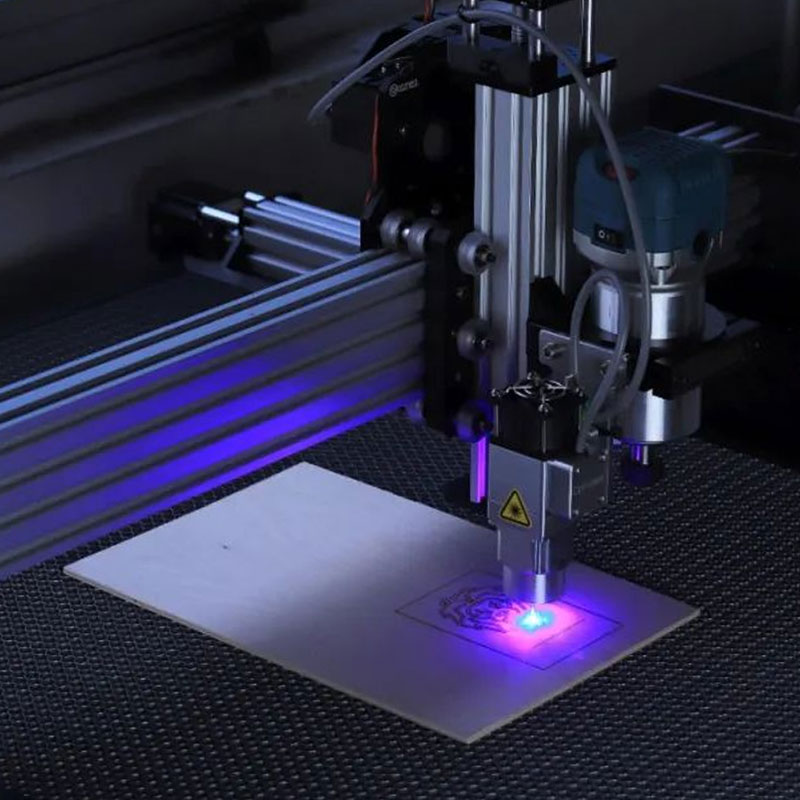
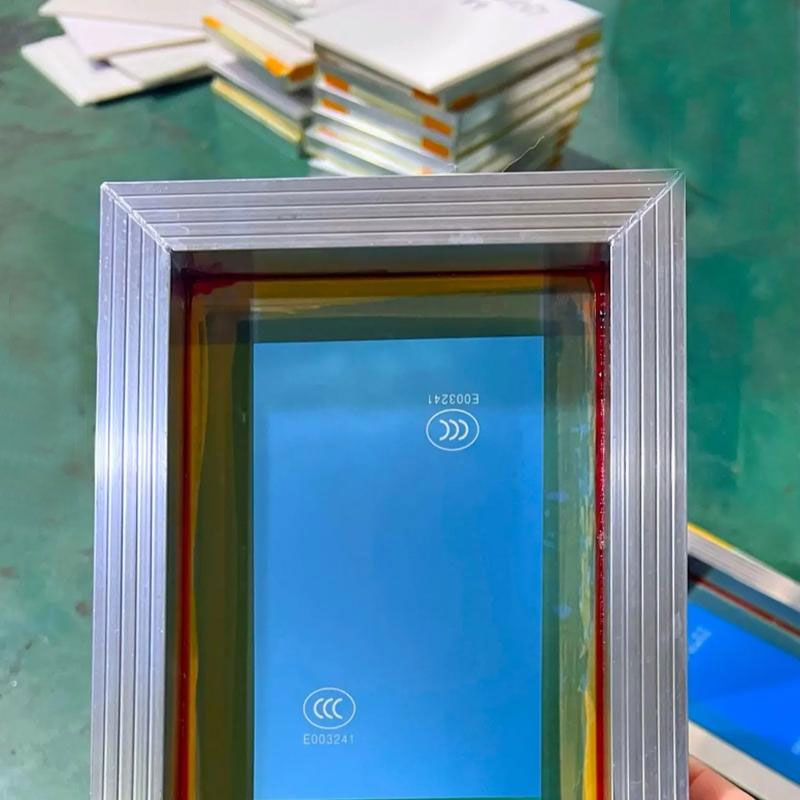
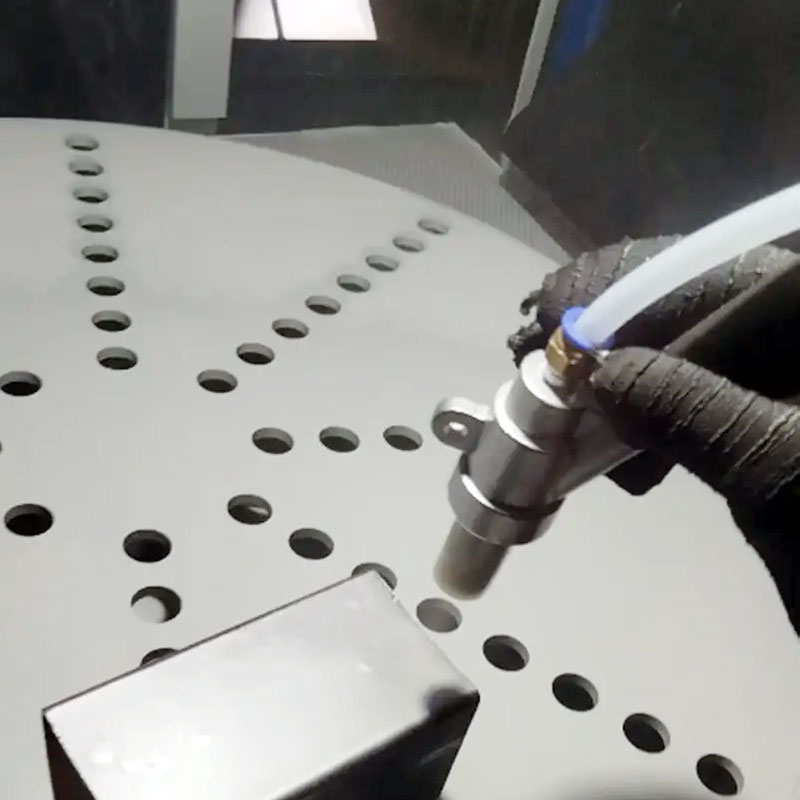
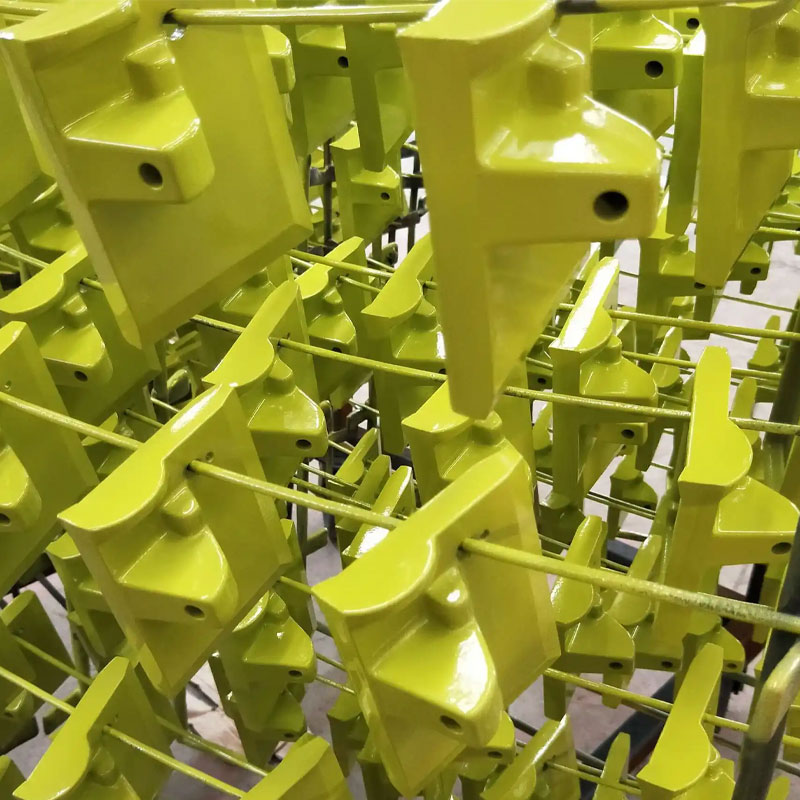
FlexiTurn provides comprehensive surface treatment services for precision-machined components, helping customers achieve the required surface appearance, protection, and functional performance. Our capabilities include electroplating, powder coating, metal polishing, anodizing, laser engraving, screen printing, sandblasting, brushed finish, baking finish, and other surface finishing processes.
With extensive experience in CNC machining and finishing, we can coordinate surface treatment with the machining process from the early stages of production. Our engineering team can help evaluate finishing requirements based on the component’s material, geometry, specifications, and intended use, while our CNC machining and CMM inspection capabilities support consistent part quality throughout the manufacturing process.
From standard finishing requirements to non-standard and application-specific needs, FlexiTurn works with customers to select suitable surface treatment processes and deliver consistent, reliable finishing results.
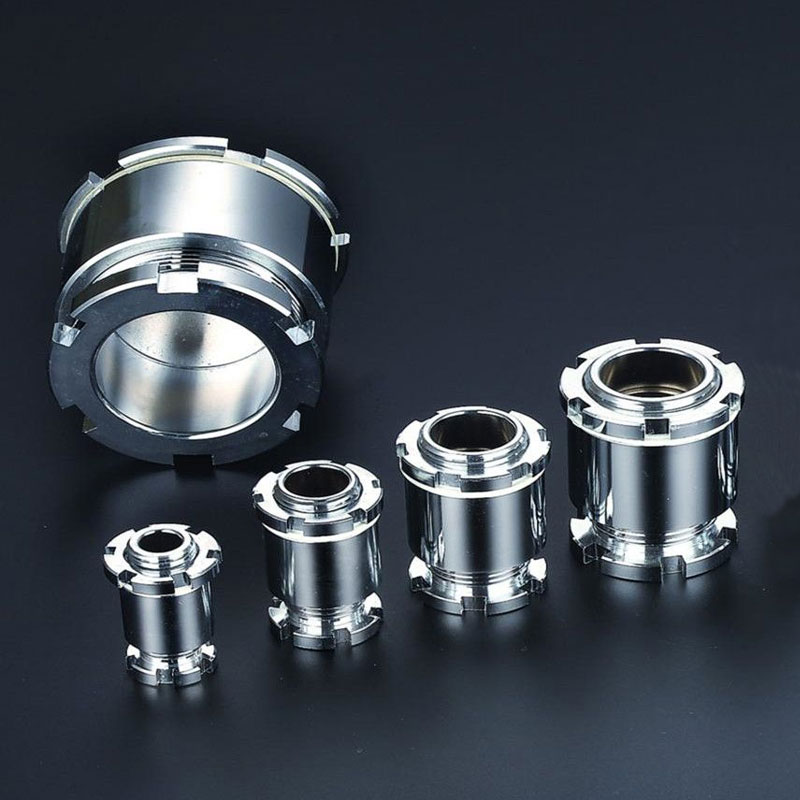
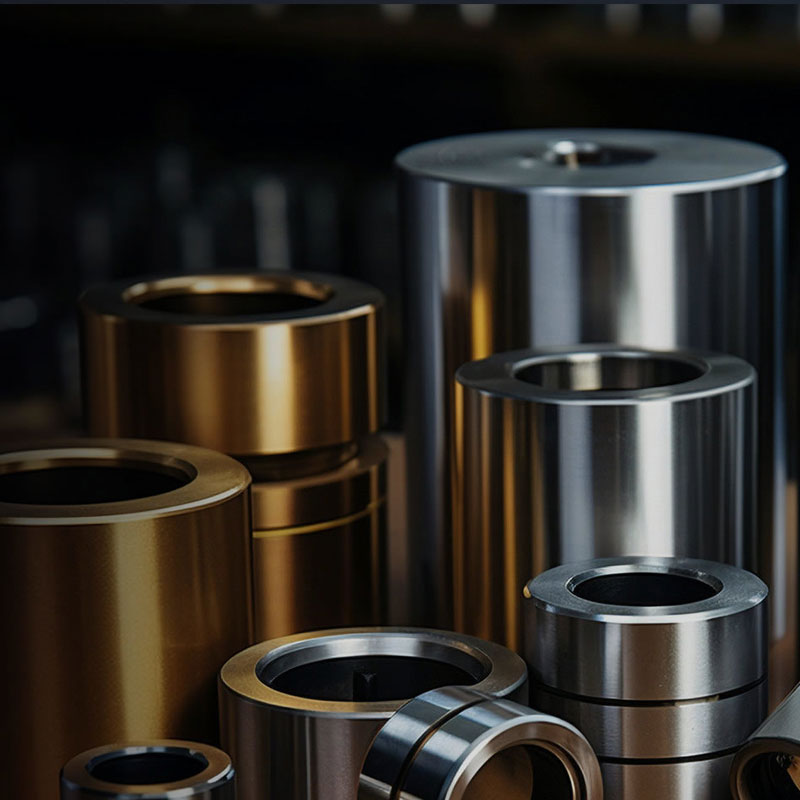
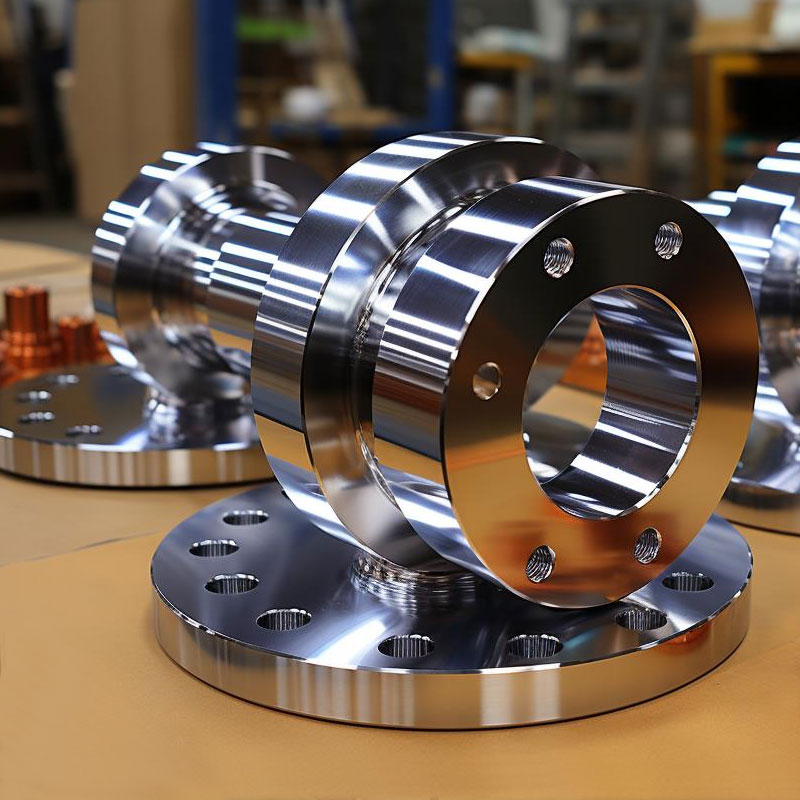
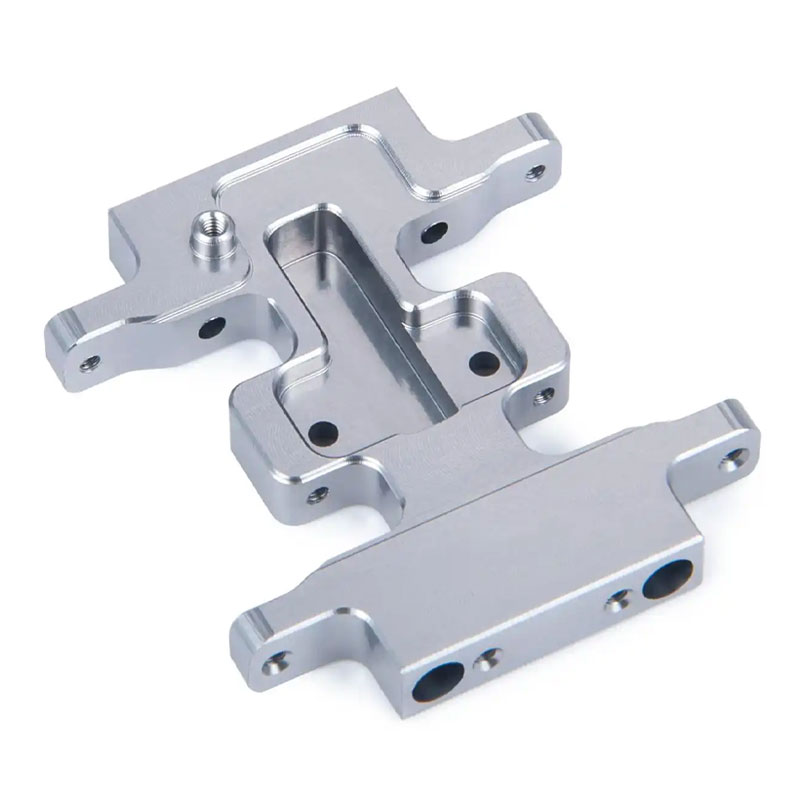

Latest CNC Machining Parts
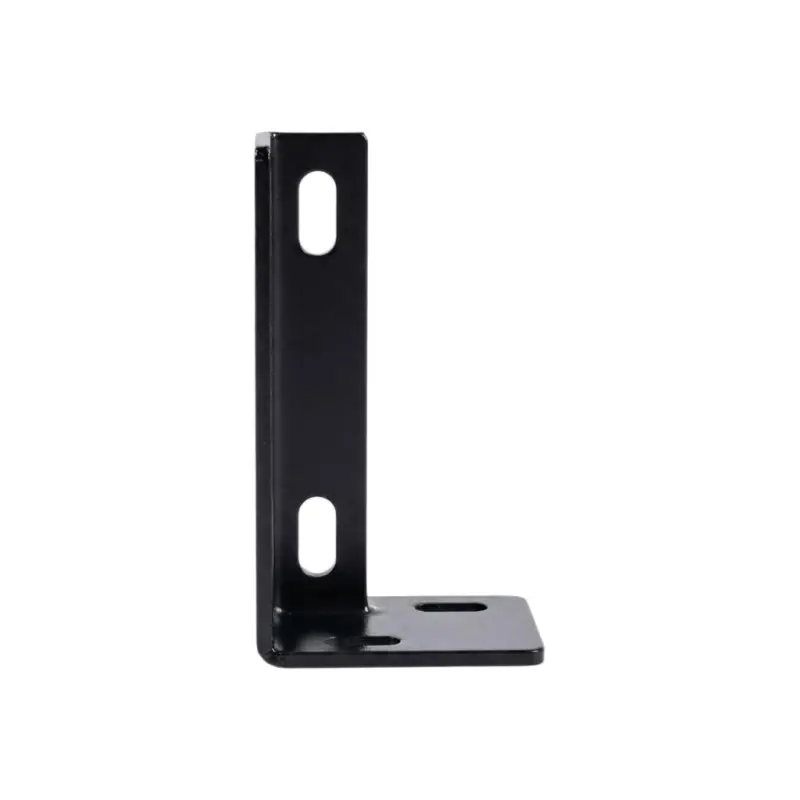
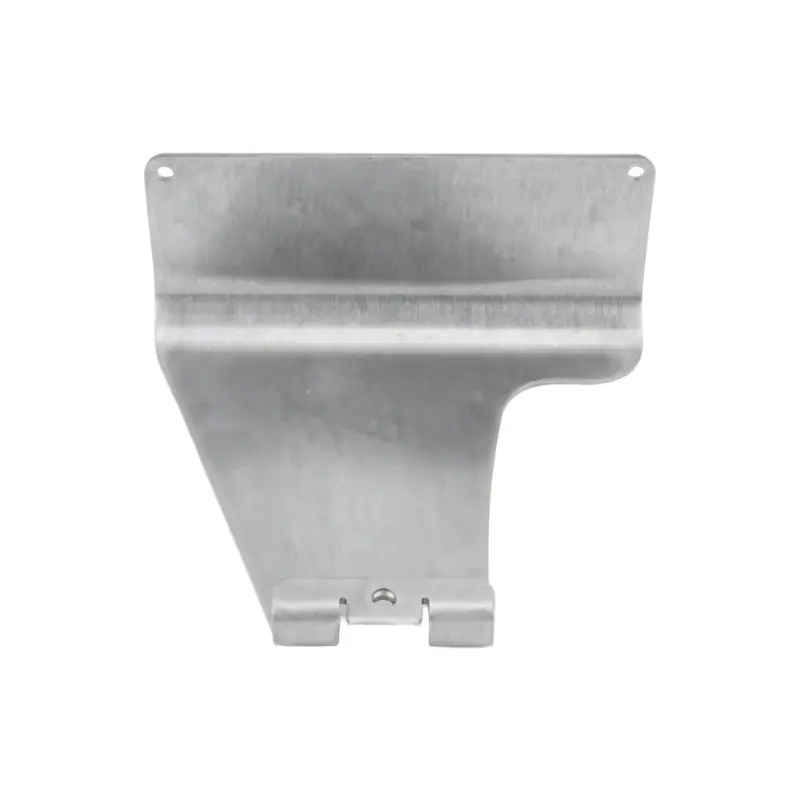
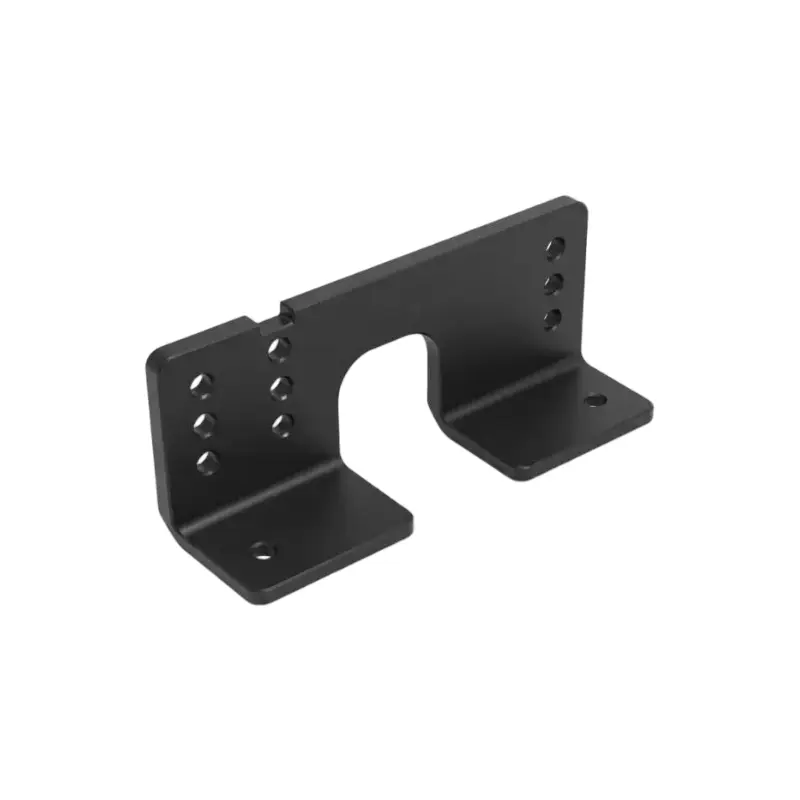
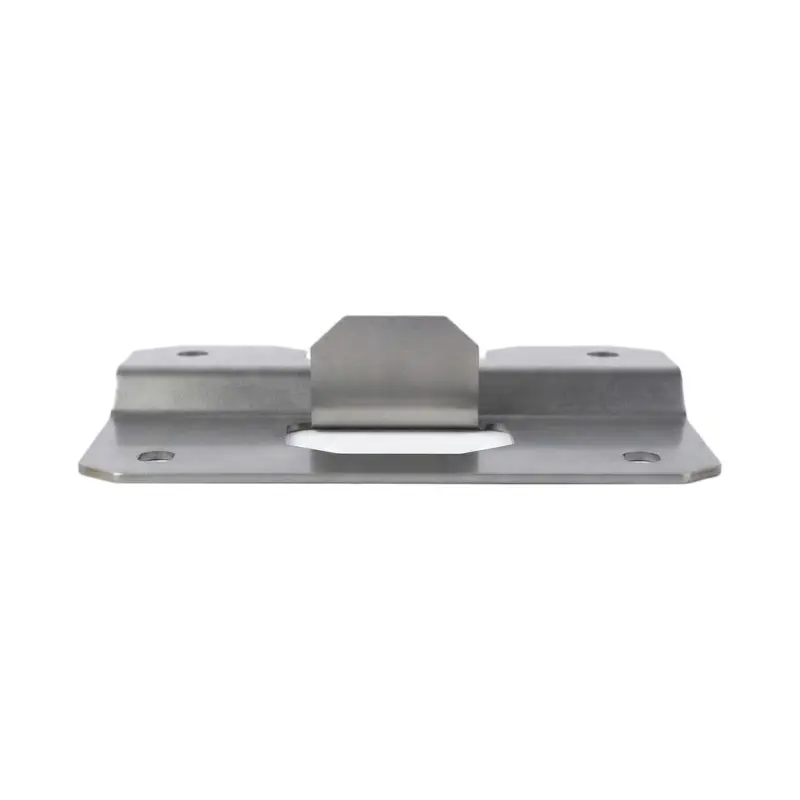
Surface Treatment FAQs
What you may want to know about Surface Treatment
Surface treatment is not simply a final cosmetic step. The finishing process can influence a component’s appearance, surface properties, corrosion resistance, wear resistance, dimensional characteristics, and suitability for its intended application. For this reason, the finishing process should be considered together with the material, machining method, component geometry, tolerances, and end-use requirements.
Choosing the Right Surface Treatment
Different surface treatment processes provide different characteristics and are suitable for different materials and requirements. Anodizing, electroplating, powder coating, polishing, sandblasting, brushed finish, baking finish, laser engraving, screen printing, and other finishing processes can produce significantly different results.
FlexiTurn evaluates the component as a whole rather than recommending a finishing process based on appearance alone. Material, surface requirements, dimensional tolerances, functional requirements, and intended use can all be considered when determining a suitable finishing solution.
Surface Treatment and Dimensional Accuracy
For precision-machined components, surface treatment can affect critical dimensions, fits, threads, mating surfaces, and other precision features. Coating thickness and the characteristics of the selected process therefore need to be considered during manufacturing.
FlexiTurn can coordinate CNC machining and surface treatment requirements from the beginning of production, helping ensure that critical dimensions and finishing requirements are considered together rather than handled independently.
Surface Appearance and Finishing Requirements
Surface appearance can involve much more than color. Customers may have requirements relating to gloss, texture, uniformity, surface smoothness, brushed direction, coating coverage, markings, or other visual characteristics.
Customers can provide drawings, specifications, reference samples, images, or other finishing requirements for evaluation. FlexiTurn can work with these requirements to establish a clear finishing specification and help maintain consistency throughout production.
Integrated CNC Machining and Surface Treatment
One advantage of working with FlexiTurn is the ability to coordinate precision CNC machining and subsequent surface treatment as part of the same manufacturing workflow. This can simplify communication and reduce the need to coordinate machining and finishing requirements with multiple suppliers.
Our capabilities cover precision CNC machining, including 5-axis machining, together with surface treatment and CMM inspection. This integrated approach allows machining accuracy, finishing requirements, and final inspection to be considered as connected stages of the same project.
Support for Non-Standard Requirements
Not every component can be handled according to a standard finishing specification. Complex geometries, unusual materials, tight tolerances, special appearance requirements, or application-specific performance requirements may require additional evaluation.
FlexiTurn supports non-standard manufacturing and can assess customized surface treatment requirements based on the actual component and project specifications. Where necessary, machining and finishing considerations can be reviewed together to determine a practical production approach.
Quality and Consistency
For production components, achieving an acceptable finish on one part is not enough. Customers also need consistent results across multiple parts and production batches.
FlexiTurn places emphasis on process coordination and inspection throughout manufacturing. CMM inspection can be used where dimensional verification is required, while finishing requirements can be defined according to the agreed specifications to support consistent appearance and surface quality.
Why Choose FlexiTurn for Surface Treatment?
Choosing a surface treatment supplier is not only about the number of finishing processes available. Engineering understanding, process coordination, dimensional control, communication, and consistency are equally important for precision-machined components.
FlexiTurn combines CNC machining, engineering support, surface treatment, and inspection capabilities to provide a more coordinated manufacturing solution. Whether you require a standard finish or have specific non-standard requirements, we can work from your drawings and specifications to coordinate the manufacturing and finishing process around the actual needs of your components.