Custom CNC Machined Aluminum Surgical Joints
Product Overview:
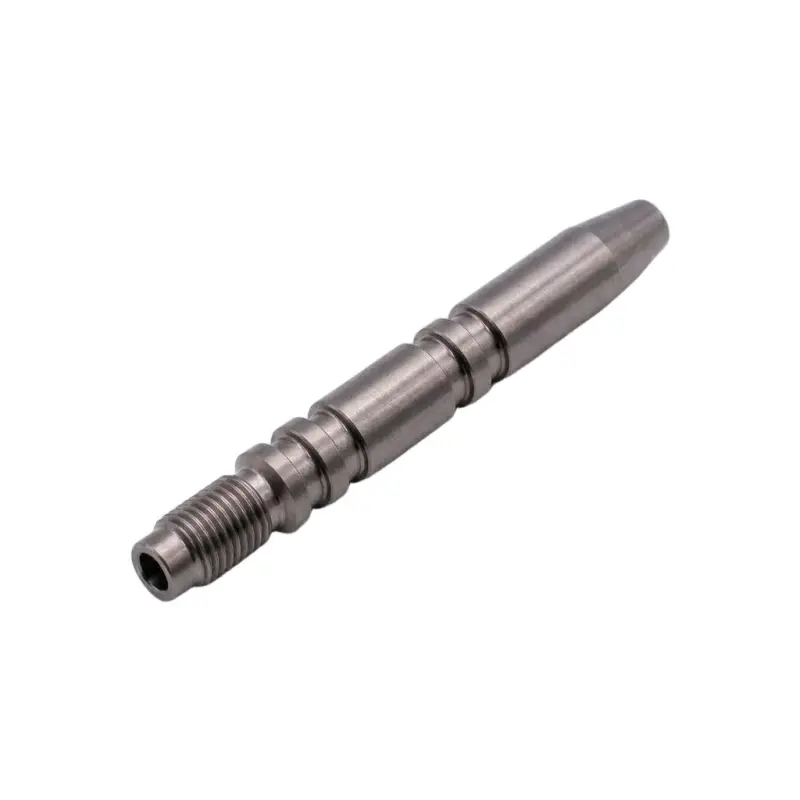
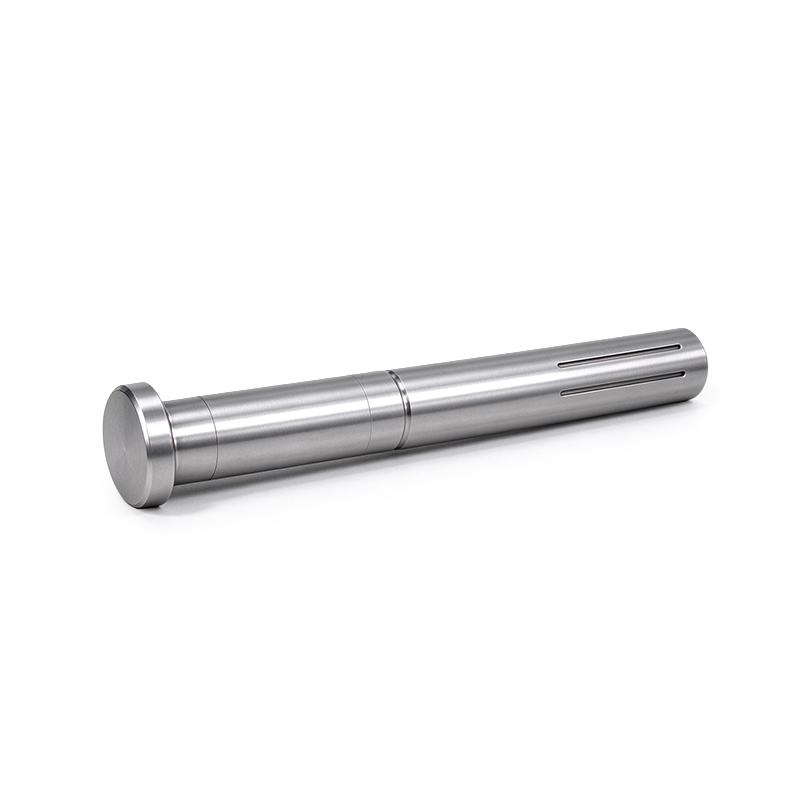
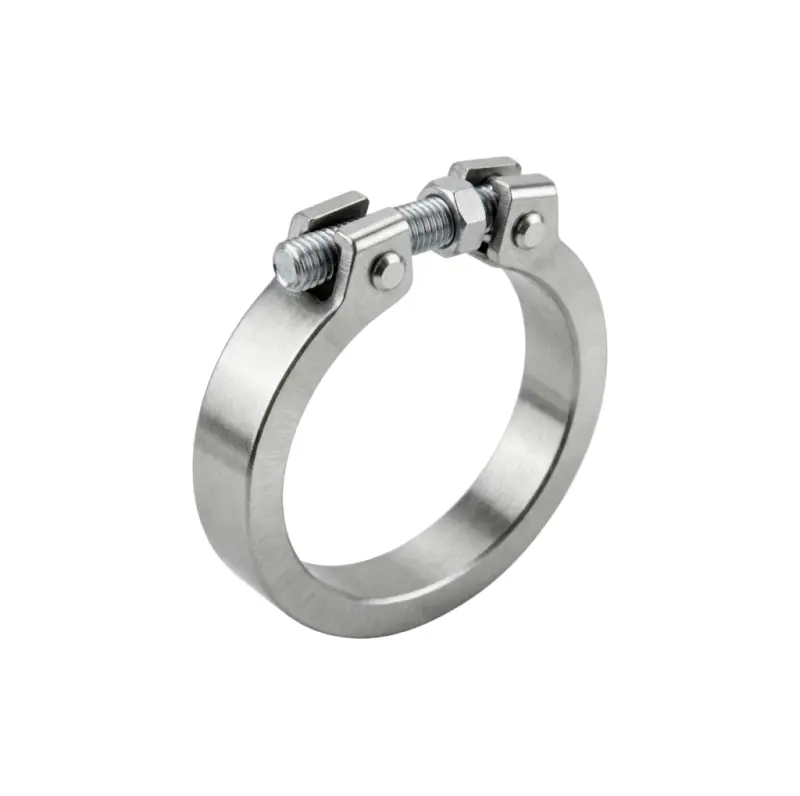
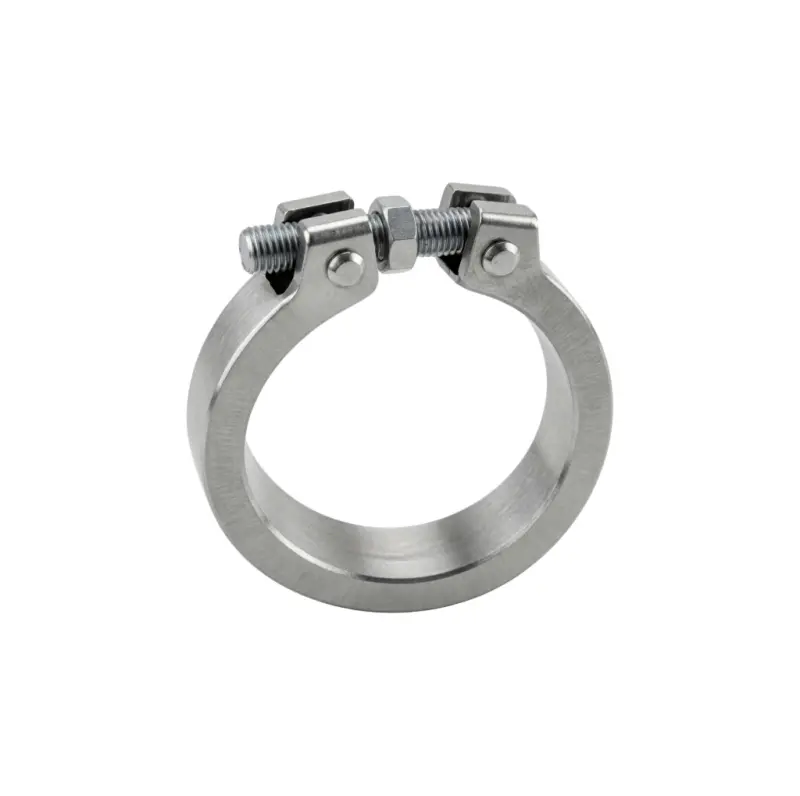
FlexiTurn custom CNC machines aluminum surgical instrument joints and articulating linkage components from 6061/7075 aluminum to your 2D/3D CAD data. We control pivot-to-pivot alignment, sliding fit clearances, and surface finish through in-house turning and milling, with coordinated hard anodizing for autoclave durability. Prototype to production supported for non-implantable medical devices.
Workmanship: CNC Milling, CNC Turning, CNC Drilling, 3 Axis CNC Machining
Material: Aluminum
Inquiry Email: sales@flexiturn.com
Custom CNC Machined Aluminum Surgical Joints Details
Machining Capabilities for Surgical Joints
Surgical instrument articulation requires specific machining controls:
CNC Turning & Milling: Machining of pivot bores, U-shaped clevis slots, and linkage arms in single or multi-setup operations to maintain critical feature alignment.
4-Axis / 5-Axis Machining: For complex joint geometries with compound angles, ensuring pivot holes remain perfectly perpendicular to the articulation plane.
Hinge Alignment & Fit Control: Machining of mating components (male/female joint halves) to achieve specific sliding fit clearances, preventing galling or binding during instrument use.
Contamination Prevention: All pivot holes, cross-bores, and intersecting slots are microscopically deburred to eliminate particle shedding and ensure compatibility with hospital cleaning protocols.
Material Selection & Clinical Limitations
FlexiTurn machines surgical joints from proven aluminum alloys:
6061-T6 & 7075-T6 Aluminum: Ideal for weight reduction in non-load-bearing instrument handles and R&D prototypes.
Important Clinical Note: Bare aluminum is highly susceptible to corrosion and surface degradation during repeated steam autoclaving (134°C). Aluminum components MUST undergo appropriate surface treatment before clinical use. Final biocompatibility and sterilization validation remain the responsibility of the device manufacturer.
Surface Finishing for Autoclave Resistance
To survive the autoclave, aluminum requires specific protection, coordinated by FlexiTurn:
Hard Anodizing (Type III): Creates a thicker, denser oxide layer. This is critical for aluminum surgical joints to resist wear on pivot surfaces and prevent oxidation during repeated sterilization cycles. Pre-machining dimension compensation is applied to maintain final fits after coating.
Bead Blasting / Matte Finishing: Reduces glare under surgical lighting and creates a uniform, non-reflective instrument surface.
Why Choose FlexiTurn
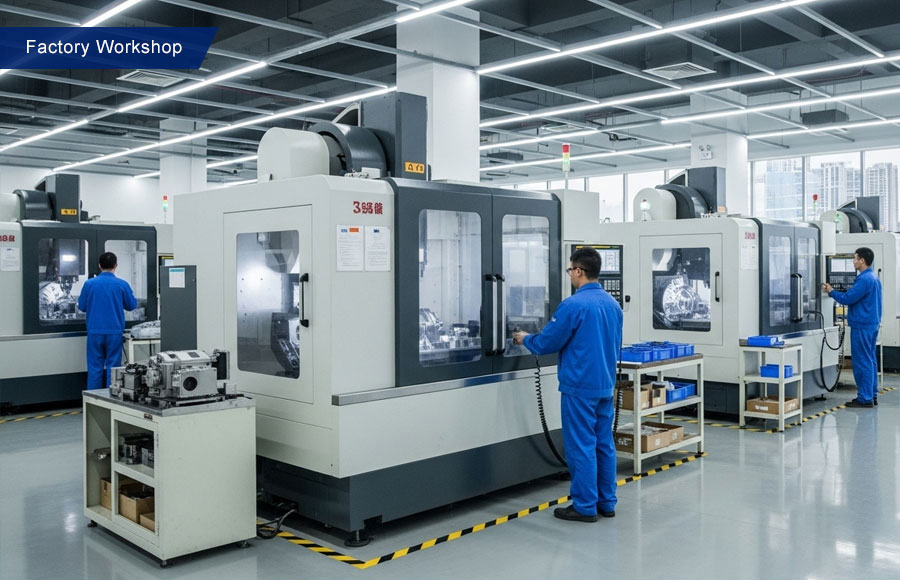
FlexiTurn is a China-based precision CNC machining service provider focused on custom engineered components, not off-the-shelf hardware.
Surgical Joint Expertise: We understand the critical relationship between pivot clearance, surface roughness (Ra), and smooth articulation.
In-House Machining & Finishing Coordination: We perform turning and milling in-house to control tolerances, and strictly coordinate Type III anodizing to ensure autoclave durability and fit after coating.
No-Tooling Prototypes: CNC machining requires no hard tooling, ideal for your medical device R&D and design iteration phases.
DFM Review: We review your joint geometry for tool accessibility, debris evacuation, and tolerance stack-up before quoting.
Documented Traceability: Certified raw materials and final dimensional inspection reports provided. ISO 9001:2015 certified.
Get Started
Submit your 2D/3D CAD files, specify the aluminum grade, mating fit clearances, required surface finish (Ra), and target quantity. FlexiTurn’s engineering team will provide a DFM review and a detailed quotation.
Contact FlexiTurn today to discuss your aluminum surgical joint machining requirements.
FlexiTurn – Precision Machining, Delivered with Trust.

Q1. What types of machining services do you offer?
We provide comprehensive CNC turning and milling services. FlexiTurn machines are equipped with 8-station programmable turrets and support both turning and 5-axis milling operations, making them suitable for everything from simple cylindrical parts to complex multi-axis components.
Q2. What materials can you work with?
We machine a wide range of materials including carbon steel, stainless steel, aluminum, plastics, and other engineering-grade materials. If you have a specific material in mind, just send us your requirements and we'll confirm feasibility.
Q3. What is your typical lead time?
Lead times vary depending on part complexity, quantity, and material availability. For prototypes and small-batch runs, we typically deliver within 5–10 business days. For high-volume production, we'll provide a customized schedule after reviewing your drawings. Contact us with your project details for an accurate timeline.
Q4. How do you price your services?
Pricing is based on several factors: material cost, machining time, tooling requirements, setup complexity, and order quantity. We offer competitive rates for both low-volume prototypes and high-volume production runs. Request a quote with your CAD files or drawings and we'll get back to you within 24 hours.
Q5. What quality control measures do you have in place?
We follow strict quality control procedures throughout the machining process. Our CNC systems support programmable precision down to 1 μm, ensuring high accuracy and repeatability. Every batch undergoes dimensional inspection before shipping, and we can provide inspection reports upon request.