Custom Magnesium CNC Machining Parts
Product Overview:
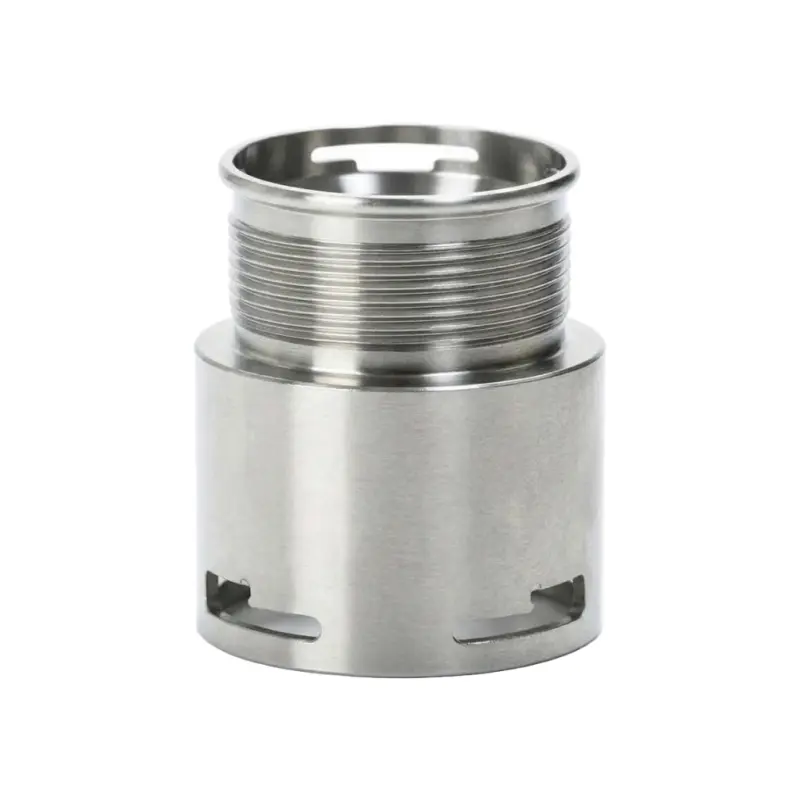
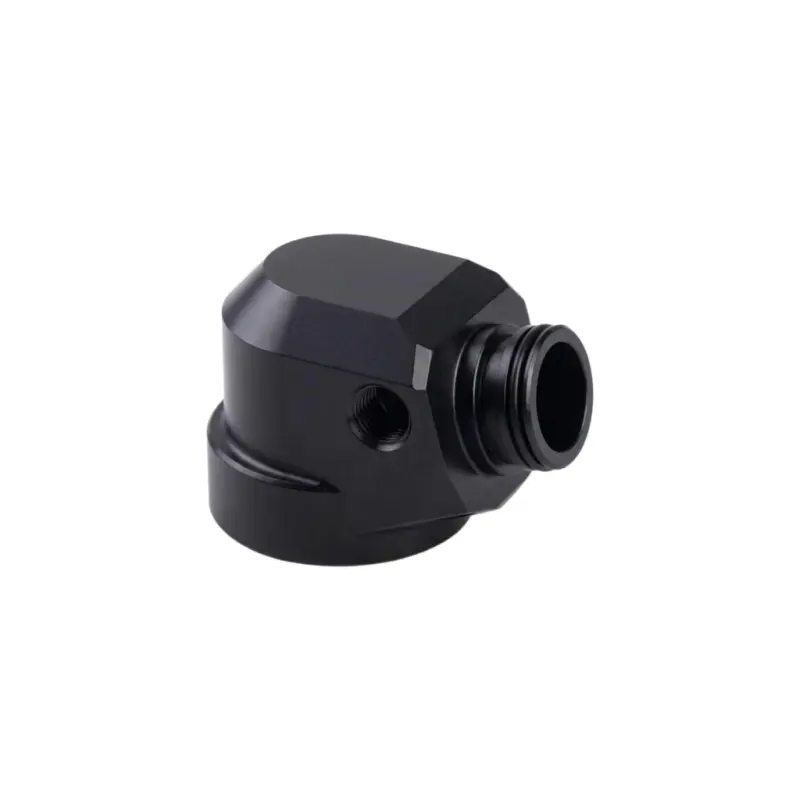
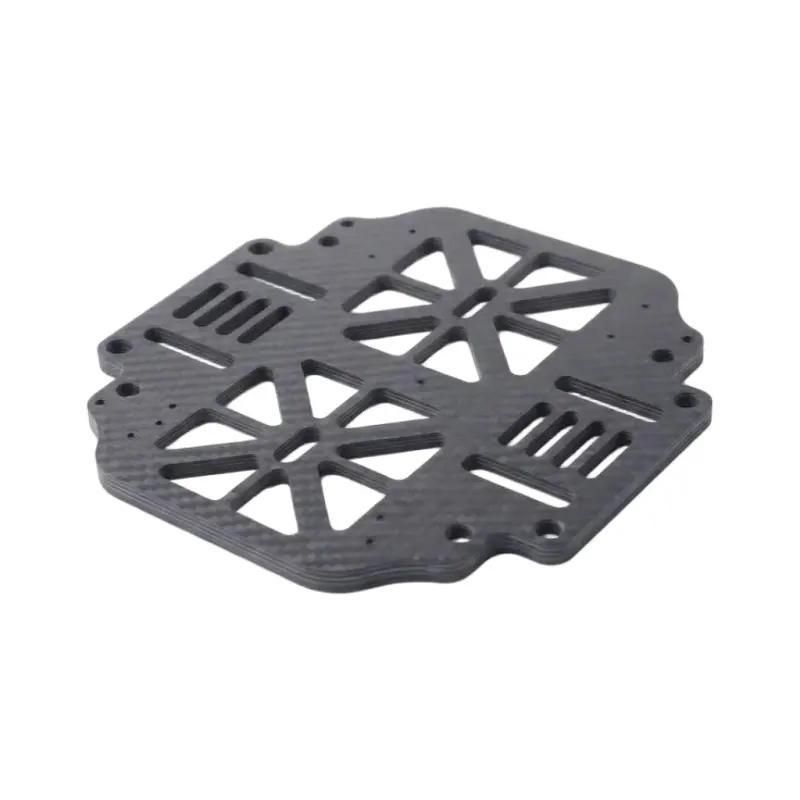
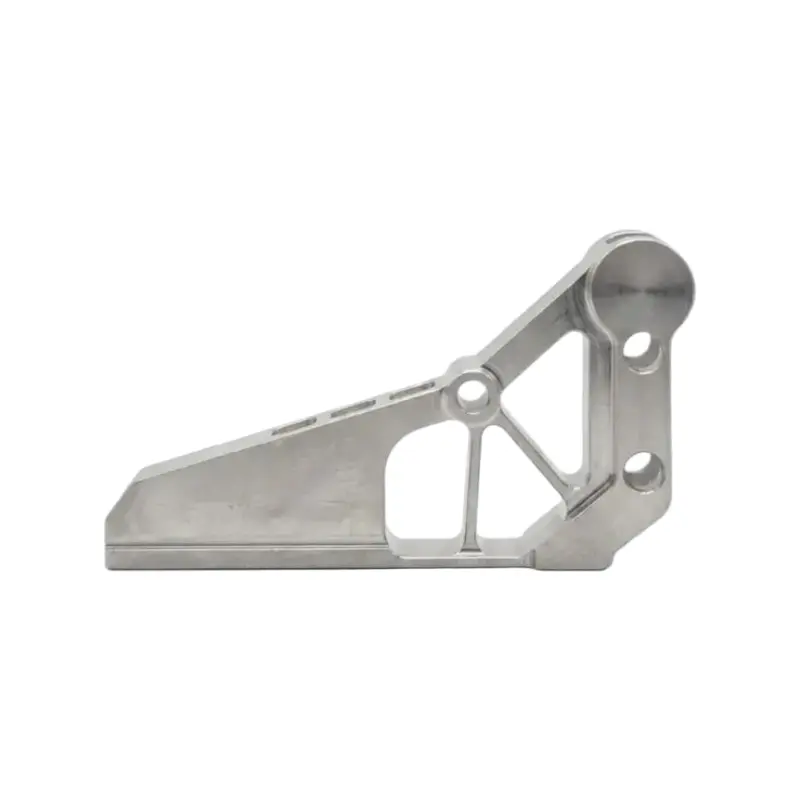
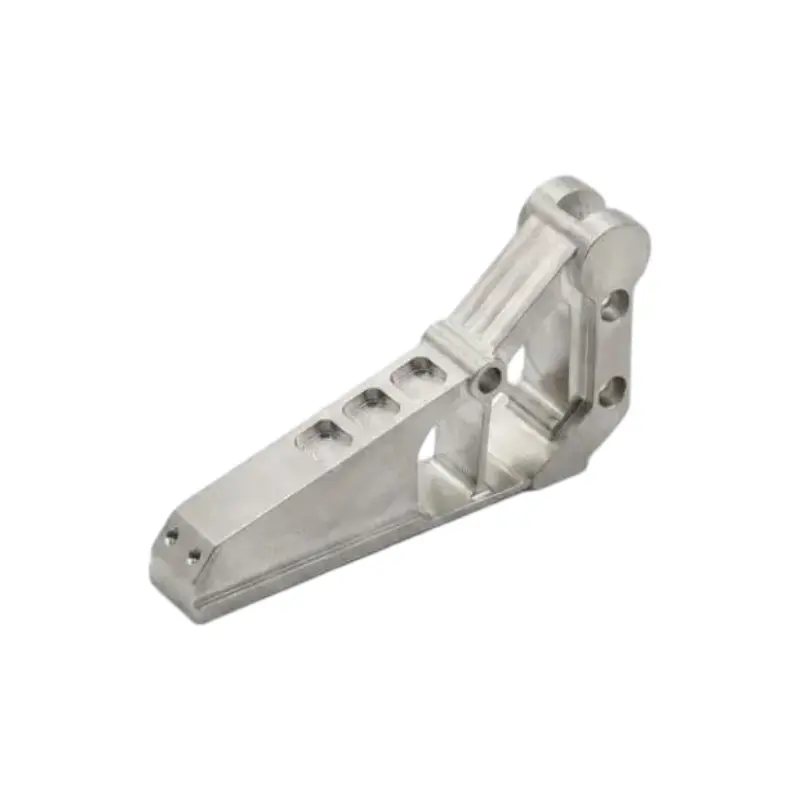
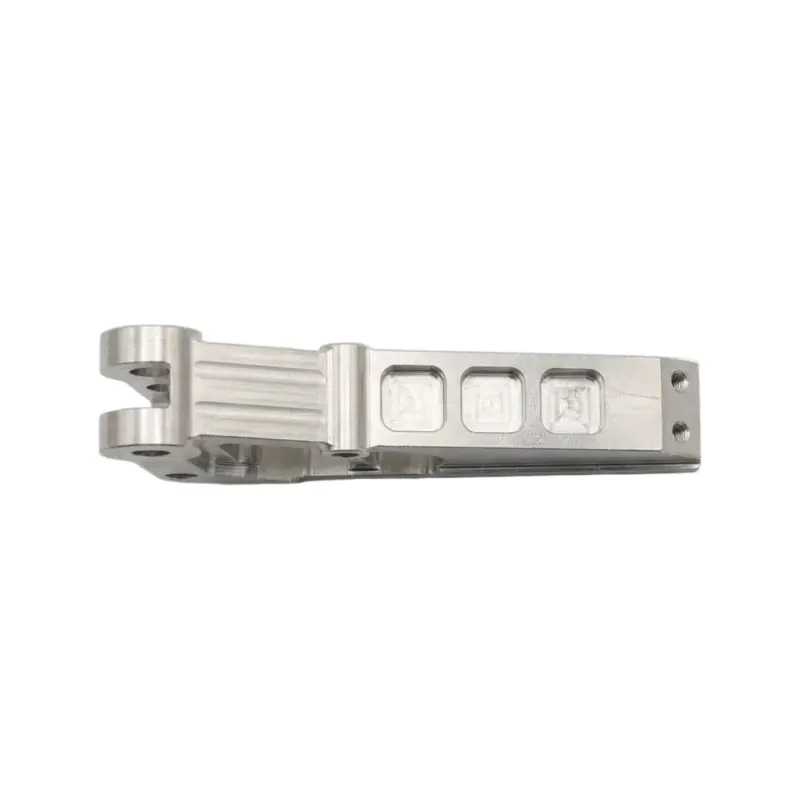
FlexiTurn custom CNC machines magnesium alloy structural components, including ribbed brackets, hinge arms, and lightweight mounts, from AZ31B and other grades to your 2D/3D CAD data. We manage magnesium’s defining production risks — combustible dust and thermal distortion — through dedicated explosion-rated dust extraction, water-free oil-based cooling, and 20°C controlled inspection. Prototype to production supported.
Workmanship: CNC Milling, CNC Drilling, 5 Axis CNC Machining
Material: Magnesium Alloy
Inquiry Email: sales@flexiturn.com
Custom Magnesium CNC Machining Parts Details
The service FlexiTurn delivers is the controlled machining process: converting magnesium billet into a functional structural part with defined rib geometry, hinge alignment, and surface integrity, while managing the material’s specific safety and thermal constraints.
Why Magnesium Is Not “Just Lighter Aluminum”
Magnesium is the lightest practical structural metal, with a density of approximately 1.74 g/cm³ — about two-thirds that of aluminum. Its specific strength and stiffness exceed those of aluminum and steel, and it offers superior vibration damping, making it attractive for robotics, UAV frames, and lightweight automation. However, two properties make magnesium machining fundamentally different from aluminum:
Fire and Dust Explosion Risk: Magnesium chips and fine dust ignite readily. Water applied to burning magnesium generates flammable hydrogen gas, and ordinary extinguishers are ineffective — Class D extinguishers are required. Crucially, water-based cutting fluids cannot be used during machining; specialized mineral oil-based coolants are mandatory to prevent hydrogen generation and chip ignition.
Thermal Expansion and Distortion: Magnesium’s coefficient of thermal expansion is roughly 20% higher than that of 6061-T6 aluminum. On thin-walled or ribbed parts, cutting heat and clamping release can cause measurable dimensional drift. Tight-tolerance features measured while the part is warm will not hold size at 20°C.
FlexiTurn addresses these constraints through dedicated process controls:
Segregated Magnesium Machining Cell: Magnesium is machined in a dedicated area with independent dust separation, explosion-rated collection, and Class D fire extinguishing media at the workstation. Chip handling is managed to prevent accumulation of combustible fines.
Water-Free Cooling Strategy: We utilize specialized oil-based cooling systems (rather than water-soluble fluids) to eliminate the risk of hydrogen gas generation while managing cutting heat.
Thermal-Compensated Machining Strategy: Adaptive cutting parameters and low-force tooling are used to minimize heat input and cutting-induced distortion. For dimensional stability, finishing passes and final inspection are performed in a 20°C ± 2°C temperature-controlled environment after the part has fully stabilized.
Rib and Thin-Wall Support: Custom soft jaws or conformal fixturing support the tapered arm and hinge ear during machining, reducing vibration without over-clamping.
Hinge Bore and Datum Control: Cross-bores and mounting features are machined relative to a unified datum to maintain alignment between the hinge axis and the mounting face.
Material Selection
FlexiTurn machines magnesium structural parts from the alloys most commonly specified for lightweight engineering components:
AZ31B: The primary choice for CNC machined structural brackets and arms. Offers good ductility and moderate strength. Suitable for UAV frames, robotic linkages, and components requiring load capacity with maximum weight reduction.
AZ91D: A die-cast grade with higher hardness and wear resistance, but lower ductility. Typically not recommended for thin, high-stress CNC machined arms, but suitable for thicker housings and brackets where stiffness matters more than formability.
ZK60A / WE43 (upon request): Higher-strength or elevated-temperature magnesium grades for demanding applications.
All raw materials are sourced with documented mill certificates and heat-number traceability.
Tolerances & Quality
Typical machining capabilities for magnesium structural parts:
General dimensions: ±0.05 mm to ±0.10 mm, depending on wall thickness and feature rigidity
Critical bores and hinge features: ±0.02 mm to ±0.03 mm where specified, subject to engineering review for thermal compensation
Surface roughness: Ra 1.6–3.2 μm as-machined
General tolerance standard: ISO 2768-m for non-critical features
Surface Finishing for Corrosion Protection
Bare magnesium corrodes readily. FlexiTurn coordinates finishing matched to your service condition:
Chemical Conversion Coating (Chrome-Free): A conductive, RoHS-compliant paint-base coating providing moderate corrosion protection. Suitable for electronics housings requiring electrical continuity.
Micro-Arc Oxidation (MAO): A ceramic-like oxide layer with significantly higher wear and corrosion resistance. Suitable for load-bearing brackets and hinge bores. Note: MAO changes part dimensions; critical bores and threads are masked or pre-compensated.
Powder Coating: For cosmetic and environmental protection where electrical conductivity is not required.
Why Choose FlexiTurn
FlexiTurn is a China-based precision CNC machining service provider focused on custom engineered components.
Dedicated magnesium safety infrastructure: Explosion-rated dust collection, oil-based cooling, and Class D fire suppression are standard. This is a non-negotiable requirement for machining magnesium.
Thermal distortion control: Cutting strategy, fixturing, and 20°C controlled inspection timing are aligned to the material’s high thermal expansion behavior.
Rib and thin-wall capability: Machining of lightening pockets, stiffening ribs, and hinge ears without introducing chatter or cold-worked surface damage.
Finishing coordination: Chrome-free conversion coating, MAO, and powder coating managed with dimensional compensation where required.
DFM review before production: We check wall thickness, rib depth-to-width ratios, hinge bore accessibility, and thermal distortion risk against your drawing before quoting.
Documented traceability: Mill certificates, heat numbers, and dimensional inspection reports provided with production orders.
FlexiTurn serves industries including robotics, UAV and aerospace, automation machinery, and automotive lightweighting applications.
Get Started
Submit your 2D/3D CAD files, specify the magnesium alloy grade (AZ31B, AZ91D, or other), critical tolerances, and surface finish requirement. FlexiTurn’s engineering team will review your component for rib geometry, hinge alignment, thermal distortion risk, and magnesium-specific safety handling, provide DFM feedback, and deliver a detailed quotation.

Q1. What types of machining services do you offer?
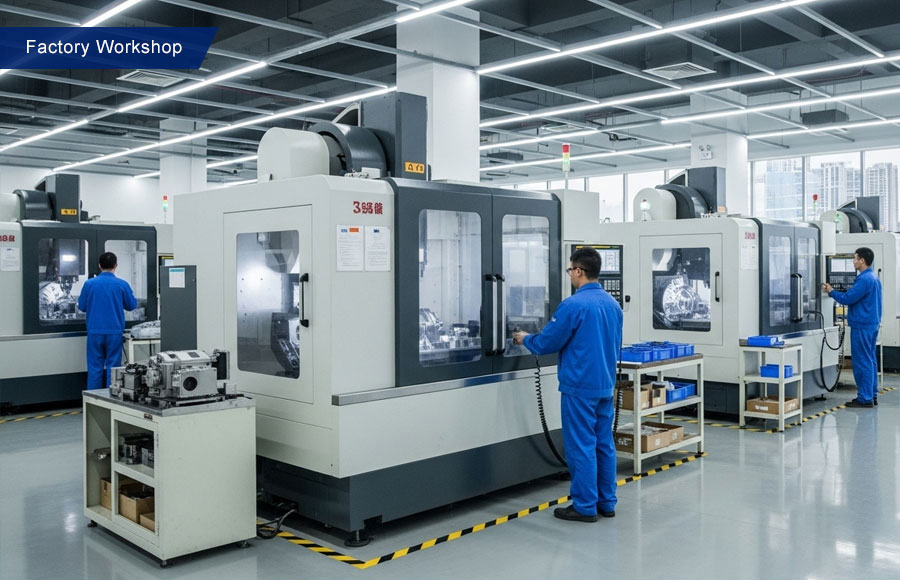
We provide comprehensive CNC turning and milling services. FlexiTurn machines are equipped with 8-station programmable turrets and support both turning and 5-axis milling operations, making them suitable for everything from simple cylindrical parts to complex multi-axis components.
Q2. What materials can you work with?
We machine a wide range of materials including carbon steel, stainless steel, aluminum, plastics, and other engineering-grade materials. If you have a specific material in mind, just send us your requirements and we'll confirm feasibility.
Q3. What is your typical lead time?
Lead times vary depending on part complexity, quantity, and material availability. For prototypes and small-batch runs, we typically deliver within 5–10 business days. For high-volume production, we'll provide a customized schedule after reviewing your drawings. Contact us with your project details for an accurate timeline.
Q4. How do you price your services?
Pricing is based on several factors: material cost, machining time, tooling requirements, setup complexity, and order quantity. We offer competitive rates for both low-volume prototypes and high-volume production runs. Request a quote with your CAD files or drawings and we'll get back to you within 24 hours.
Q5. What quality control measures do you have in place?
We follow strict quality control procedures throughout the machining process. Our CNC systems support programmable precision down to 1 μm, ensuring high accuracy and repeatability. Every batch undergoes dimensional inspection before shipping, and we can provide inspection reports upon request.