Telecom RF Coaxial Connectors and Interconnects
Product Overview:
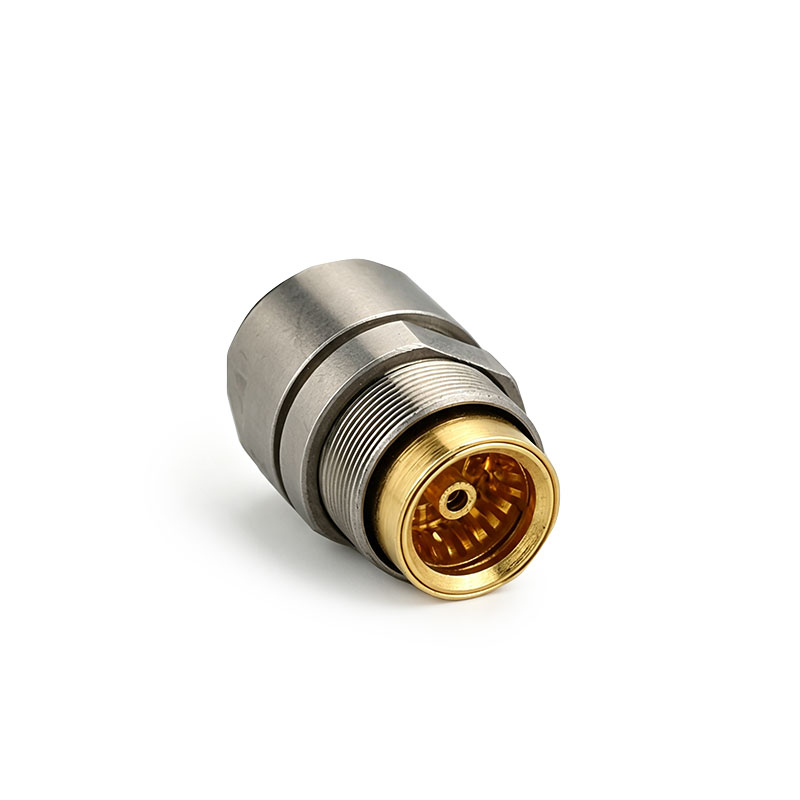
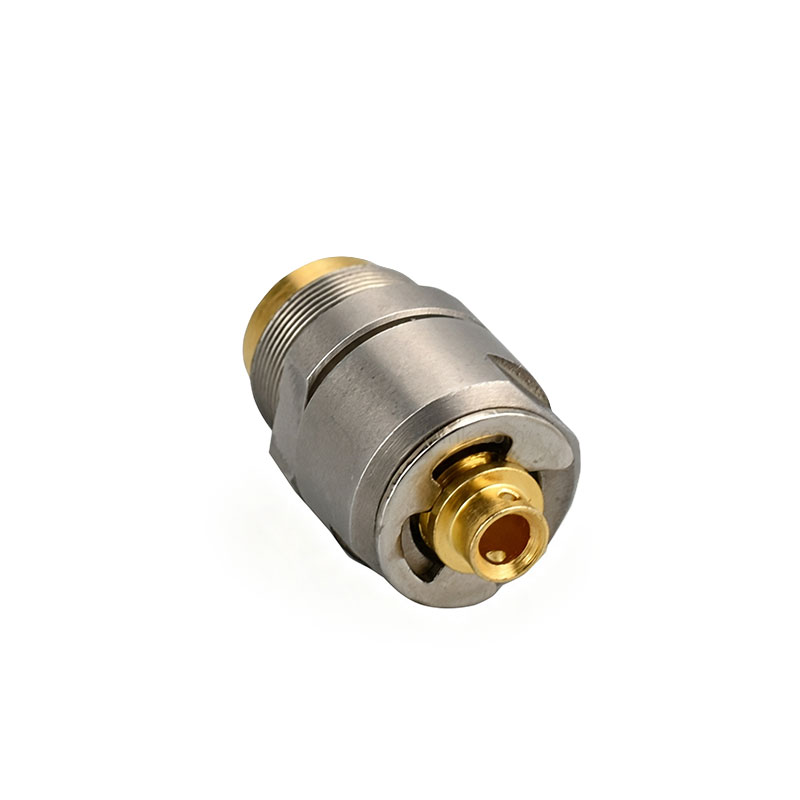
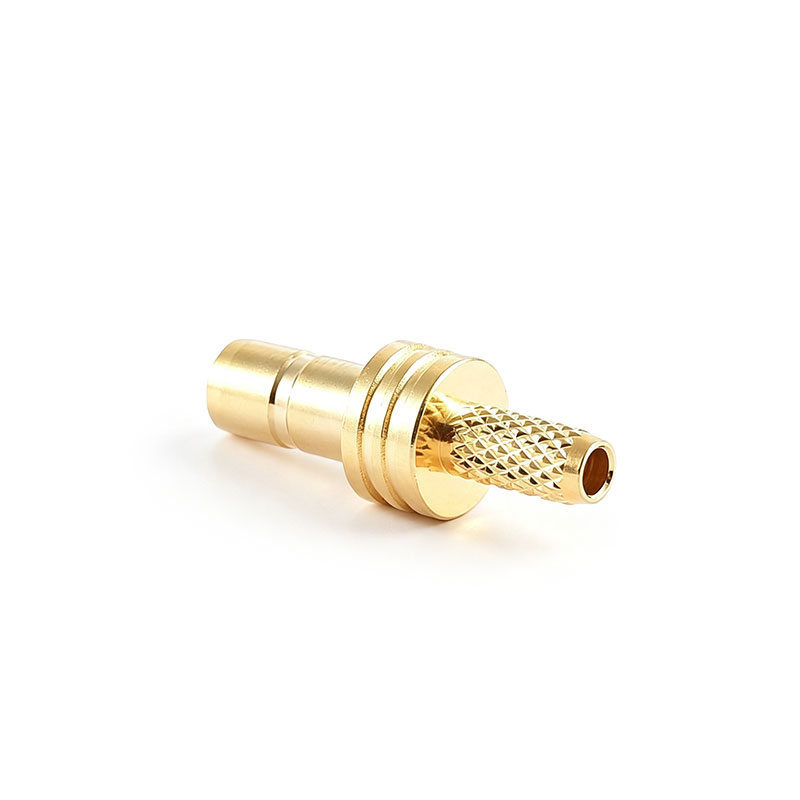
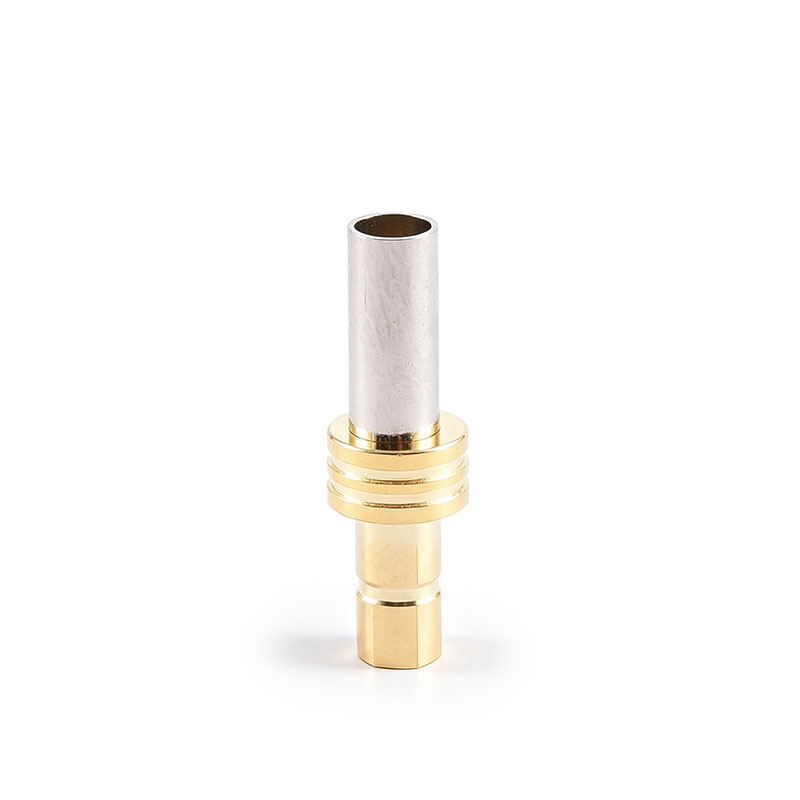
Engineered to maintain flawless signal integrity across high-frequency networks, our custom telecom RF coaxial connectors deliver exceptional electrical performance and mechanical durability. We specialize in comprehensive RF interconnect solutions, providing structural impedance optimization, precision Swiss CNC turning, and premium surface metallization. Utilizing high-grade brass, beryllium copper, and stainless steel, our connectors ensure extremely low insertion loss, excellent VSWR, and reliable transmission for 5G base stations, DAS (Distributed Antenna Systems), and microwave communications.
Workmanship: CNC Turning, Electroplating
Material: Brass
Inquiry Email: sales@flexiturn.com
Telecom RF Coaxial Connectors and Interconnects Details
In the rapidly evolving telecommunications and 5G landscape, the integrity of the radio frequency (RF) signal path is paramount. Even microscopic variations in an RF coaxial connector can lead to severe signal reflection, power loss, and unacceptable Passive Intermodulation (PIM).
At FlexiTurn, we provide engineered RF interconnect solutions rather than just basic machined parts. We specialize in the custom manufacturing and precision plating of RF coaxial connectors (including BMA, SMA, N-Type, and DIN standard interfaces). By combining advanced multi-axis CNC turning with strict RF performance validation, we deliver connectors that guarantee pristine high-frequency transmission, robust mechanical mating, and long-term reliability in the most demanding telecom environments.
Engineering & RF Impedance Optimization
The electrical performance of a coaxial connector is entirely dependent on its internal geometry. We provide complete engineering support to optimize the physical dimensions of the inner conductor, the dielectric insulator (PTFE/Teflon), and the outer body.
Our engineering team works closely with you to ensure strict 50-ohm or 75-ohm impedance matching throughout the connector's transition zones. By precisely calculating the dielectric constant and adjusting the mechanical tolerances before manufacturing, we help customers achieve the lowest possible Voltage Standing Wave Ratio (VSWR) and maximize signal power transfer.
Material Selection & Advantage Consulting
Superior RF performance requires a meticulous approach to material science. We consult on the optimal metals to balance machinability, conductivity, and mechanical resilience:
- Brass (Connector Bodies): Provides excellent machinability and a smooth surface finish, which is critical for minimizing the "skin effect" where high-frequency signals travel along the surface of the conductor.
- Beryllium Copper (Center Contacts): Utilized for male pins and female sockets, offering unmatched spring properties and fatigue resistance to ensure reliable electrical contact even after thousands of mating cycles.
- PTFE / Teflon (Dielectric Insulators): Selected for its incredibly low dielectric constant and thermal stability, ensuring minimal signal attenuation during transmission.
Precision Manufacturing Process Options
To prevent signal reflection, the concentricity and surface finish of a coaxial connector must be flawless. We utilize advanced machining technologies:
- Swiss-Type CNC Turning: Our core capability for RF components. Swiss CNC lathes provide ultra-tight tolerances (up to ±0.002mm) on highly complex, miniaturized connector bodies and delicate center pins in a single setup, ensuring perfect concentricity.
- Precision Crimping & Assembly: For cable-mount connectors (like RG405 or semi-rigid cables), we design exact crimp ferrules that provide massive pull-strength without crushing the cable's internal dielectric layer.
Surface Treatment & Plating Options
Plating is critical for preventing oxidation, reducing contact resistance, and mitigating PIM in telecom networks. We offer specialized RF surface treatments:
- Hard Gold Plating: Applied to all center contacts to prevent oxidation, ensure the lowest possible contact resistance, and provide excellent lubricity for repeated mating.
- Tri-Metal / White Bronze Plating: An industry standard for 5G connector bodies. It offers the high conductivity and corrosion resistance of silver, but is non-magnetic, drastically reducing PIM generation in base station equipment.
- Nickel & Silver Plating: Available for specific microwave and aerospace interconnect applications requiring targeted environmental protection.
Quality Control & RF Compliance
We implement strict, data-driven quality control tailored to the RF industry. Beyond using Coordinate Measuring Machines (CMM) to verify mechanical mating interfaces, we ensure that surface finishes are microscopically smooth to support high-frequency skin-effect transmission. All materials and platings are strictly RoHS and REACH compliant, ensuring safe global distribution.
Applications
Our precision RF coaxial connectors are essential for maintaining signal integrity across critical communication systems:
- 5G AAU/RRU Base Station Antennas
- Distributed Antenna Systems (DAS)
- Microwave Point-to-Point Telecommunications
- Telecommunication Test & Measurement Equipment
- Radar and Satellite Communication Links
Positioning Statement
We understand that high-frequency telecom networks leave zero room for signal degradation. By combining structural impedance optimization, premium RF materials, ultra-precise Swiss CNC turning, and PIM-optimized plating, FlexiTurn helps telecommunications equipment manufacturers eliminate signal loss, ensure flawless connectivity, and deploy the next generation of wireless infrastructure with absolute confidence.


Q1. What types of machining services do you offer?
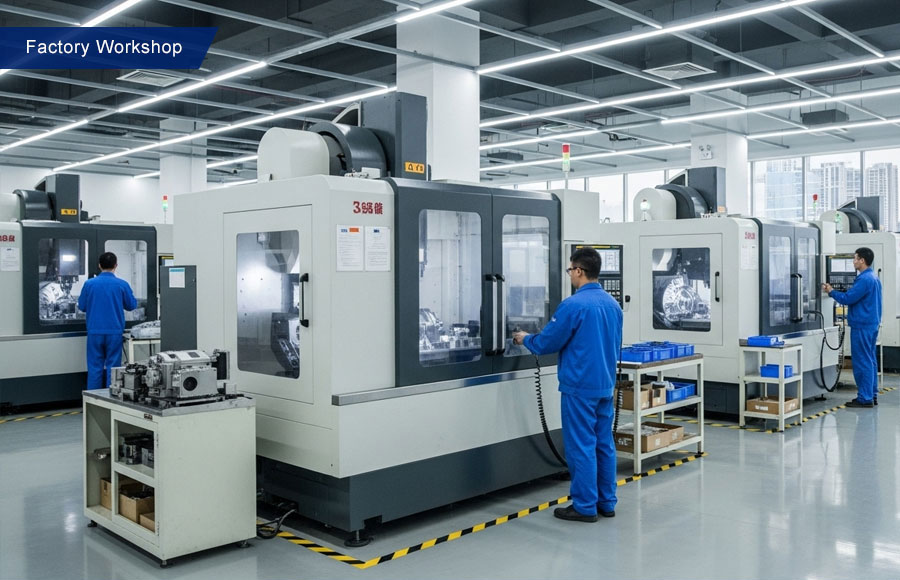
We provide comprehensive CNC turning and milling services. FlexiTurn machines are equipped with 8-station programmable turrets and support both turning and 5-axis milling operations, making them suitable for everything from simple cylindrical parts to complex multi-axis components.
Q2. What materials can you work with?
We machine a wide range of materials including carbon steel, stainless steel, aluminum, plastics, and other engineering-grade materials. If you have a specific material in mind, just send us your requirements and we'll confirm feasibility.
Q3. What is your typical lead time?
Lead times vary depending on part complexity, quantity, and material availability. For prototypes and small-batch runs, we typically deliver within 5–10 business days. For high-volume production, we'll provide a customized schedule after reviewing your drawings. Contact us with your project details for an accurate timeline.
Q4. How do you price your services?
Pricing is based on several factors: material cost, machining time, tooling requirements, setup complexity, and order quantity. We offer competitive rates for both low-volume prototypes and high-volume production runs. Request a quote with your CAD files or drawings and we'll get back to you within 24 hours.
Q5. What quality control measures do you have in place?
We follow strict quality control procedures throughout the machining process. Our CNC systems support programmable precision down to 1 μm, ensuring high accuracy and repeatability. Every batch undergoes dimensional inspection before shipping, and we can provide inspection reports upon request.