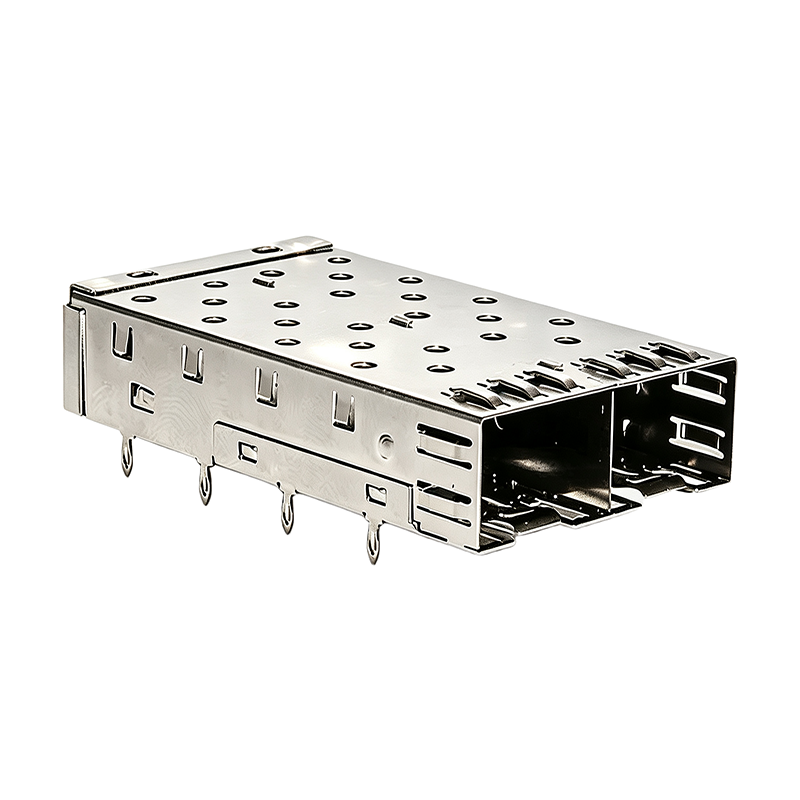
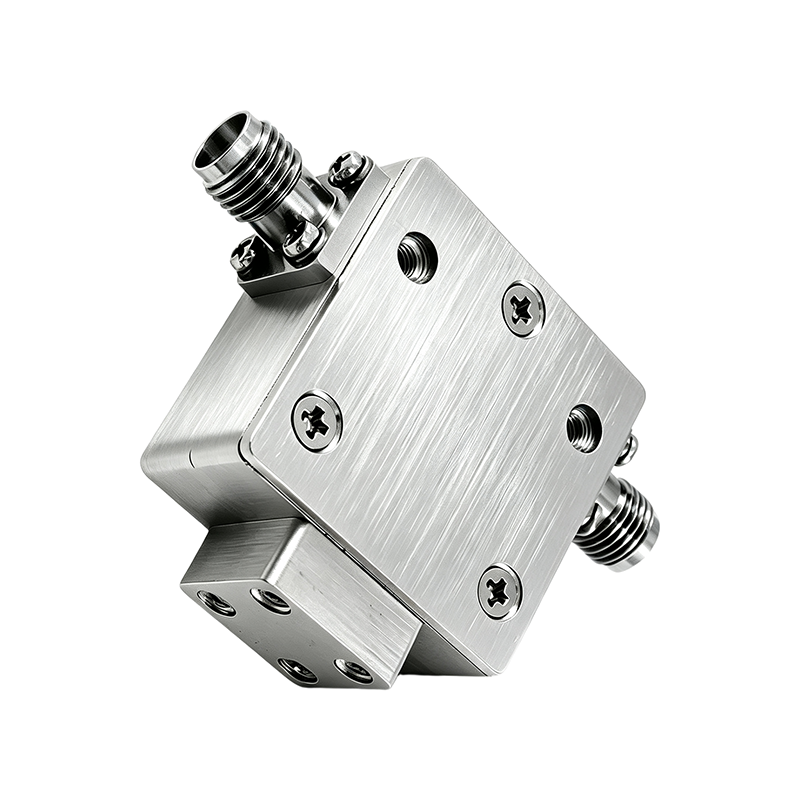
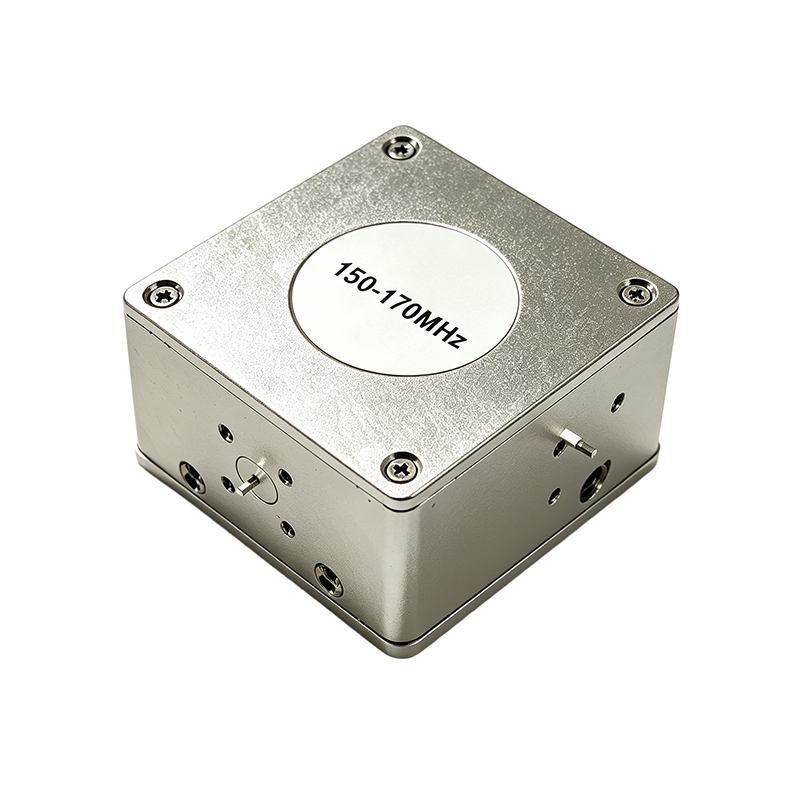
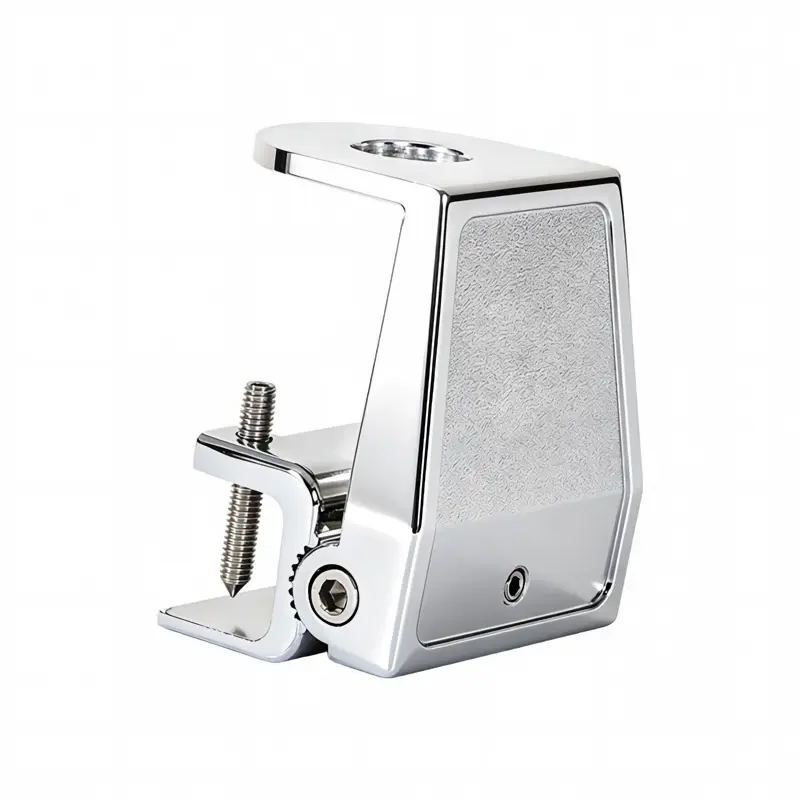
Custom 5G Telecom Ceramic Dielectric Bandpass Filters
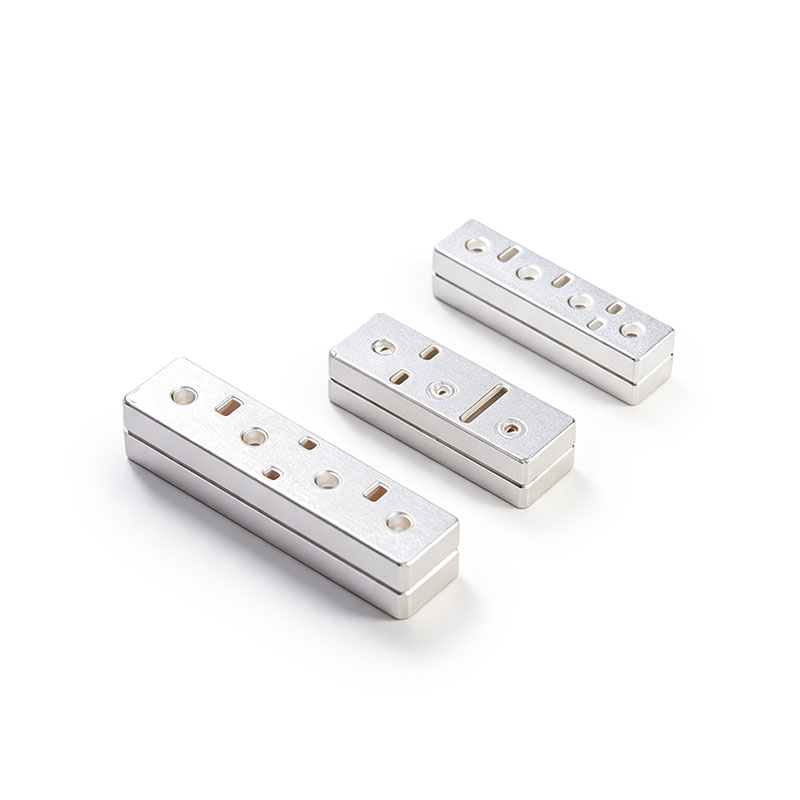
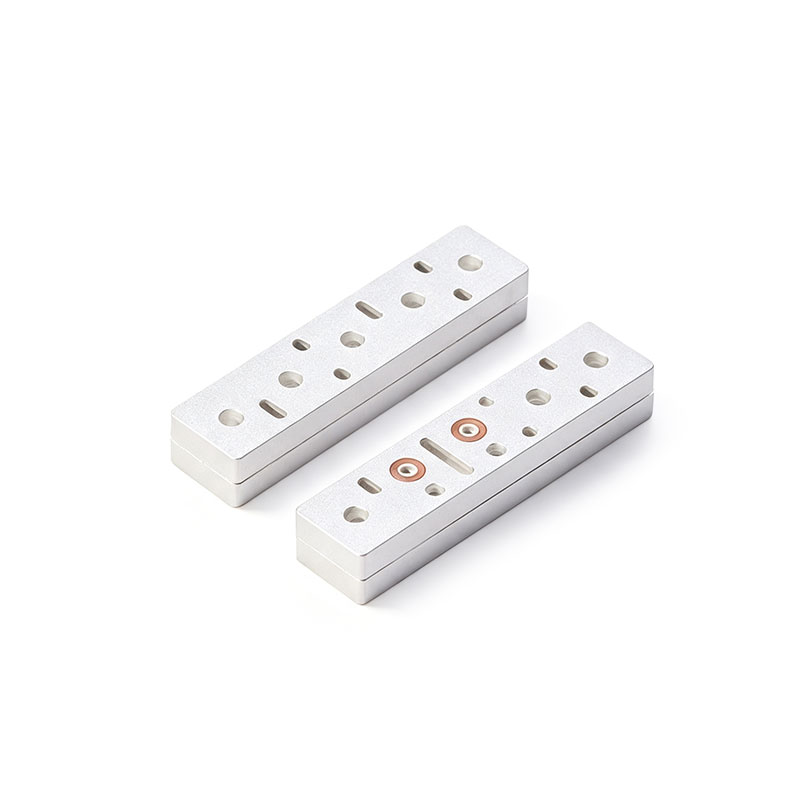
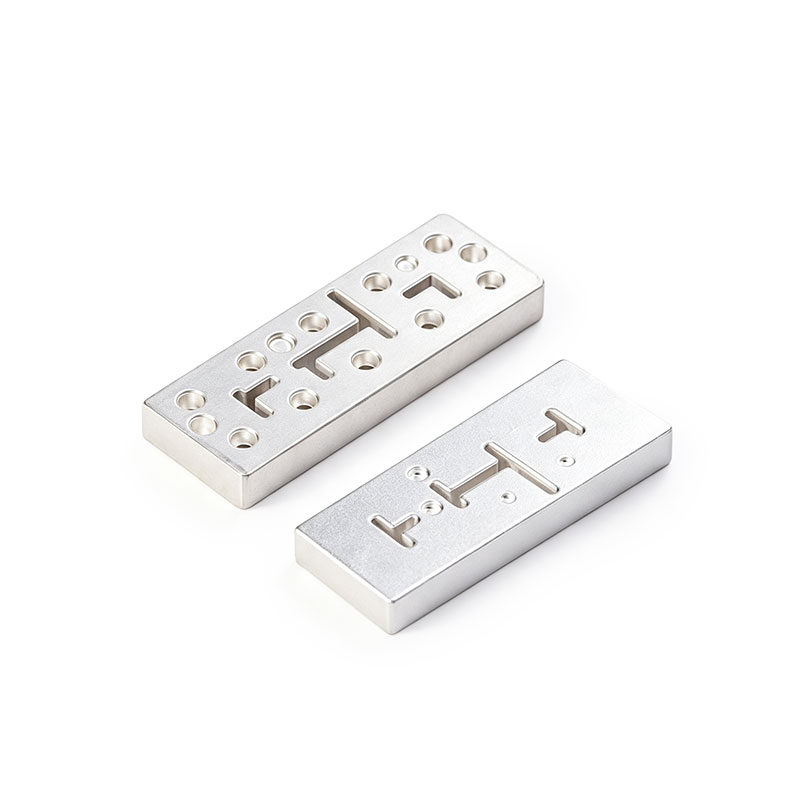
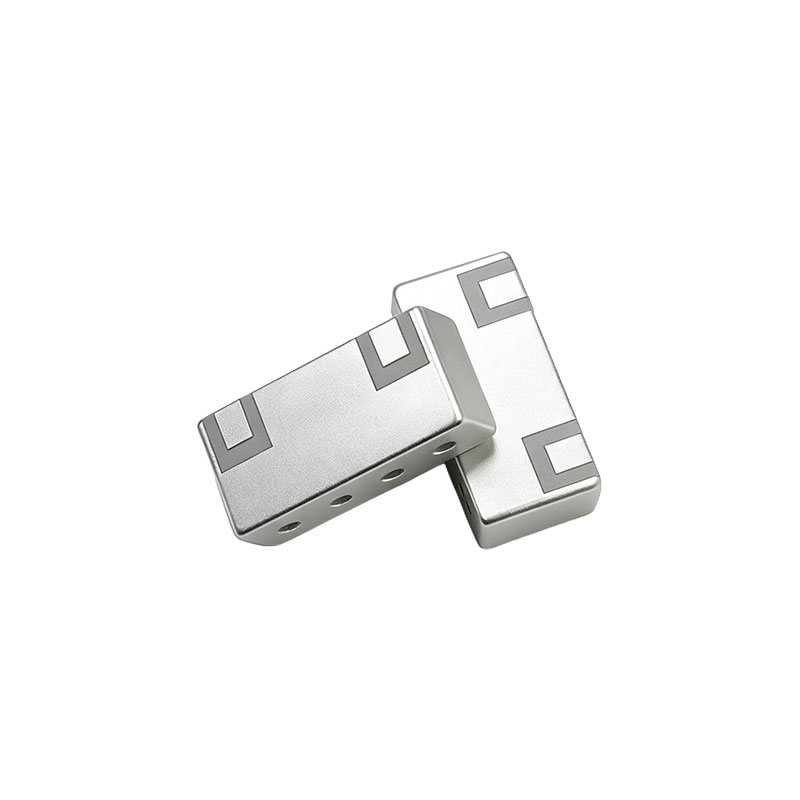
Product Overview:
Engineered for the stringent size and performance demands of 5G Massive MIMO base stations, our custom ceramic dielectric filters deliver exceptional RF signal isolation in a highly compact form factor. We specialize in comprehensive RF structural design, advanced ceramic molding, precision CNC grinding, and high-conductivity silver metallization. By utilizing premium microwave dielectric ceramics, we provide filters with low insertion loss, high out-of-band rejection, and superior temperature stability, ensuring pristine signal transmission for modern telecommunications networks.
Workmanship: CNC Grinding, CNC Drilling, Molding
Material: Ceramic
Inquiry Email: sales@flexiturn.com
Custom 5G Telecom Ceramic Dielectric Bandpass Filters Details
The transition to 5G technology, particularly the deployment of Sub-6GHz and Massive MIMO (Multiple-Input Multiple-Output) antenna systems, requires RF components to be drastically smaller, lighter, and more efficient. Traditional bulky metal cavity filters can no longer meet the spatial constraints of modern Active Antenna Units (AAUs).
At FlexiTurn, we provide engineered dielectric ceramic solutions tailored for the telecommunications industry. We specialize in the design, precision machining, and metallization of ceramic dielectric bandpass filters. By guiding our customers through material selection and rigorous RF testing, we deliver highly integrated filters that effectively isolate target frequencies, minimize signal interference, and enable the compact architecture of next-generation base stations.
Engineering & RF Structural Design Capability
The center frequency, bandwidth, and rejection capabilities of a filter are determined by precise spatial geometry. We offer comprehensive engineering support to optimize the physical dimensions of the ceramic block and the layout of its internal resonant poles.
Our engineering team works to calculate and refine the coupling mechanisms between cavities. By optimizing the depth and diameter of the tuning holes prior to final machining, we help customers achieve sharper out-of-band rejection and minimal cross-talk, ensuring the highest possible spectrum efficiency.
Material Selection & Advantage Consulting
In microwave RF applications, the intrinsic properties of the dielectric material dictate the entire system's performance. In our engineering consultations, we focus on the core advantages of specialized microwave ceramics:
- High Dielectric Constant (Er): Allows the electromagnetic wave wavelength to be significantly compressed, enabling a massive reduction in the physical size and weight of the filter compared to traditional metal cavities.
- High Quality Factor (Q x f): Ensures incredibly low insertion loss, meaning the desired 5G signals pass through the filter with maximum power retention and minimal heat generation.
- Excellent Temperature Coefficient of Resonant Frequency (Tf): Microwave ceramics maintain absolute frequency stability across extreme temperature variations (-40°C to +85°C), which is mandatory for outdoor telecom infrastructure exposed to harsh climates.
Precision Manufacturing Process Options
Manufacturing microwave ceramics requires exceptional dimensional control, as even a micrometer of deviation can shift the RF frequency. Our facility utilizes a highly controlled process:
- Precision Powder Molding & Sintering: We utilize advanced dry pressing to form the initial ceramic body, followed by high-temperature sintering to achieve maximum material density and optimal dielectric properties.
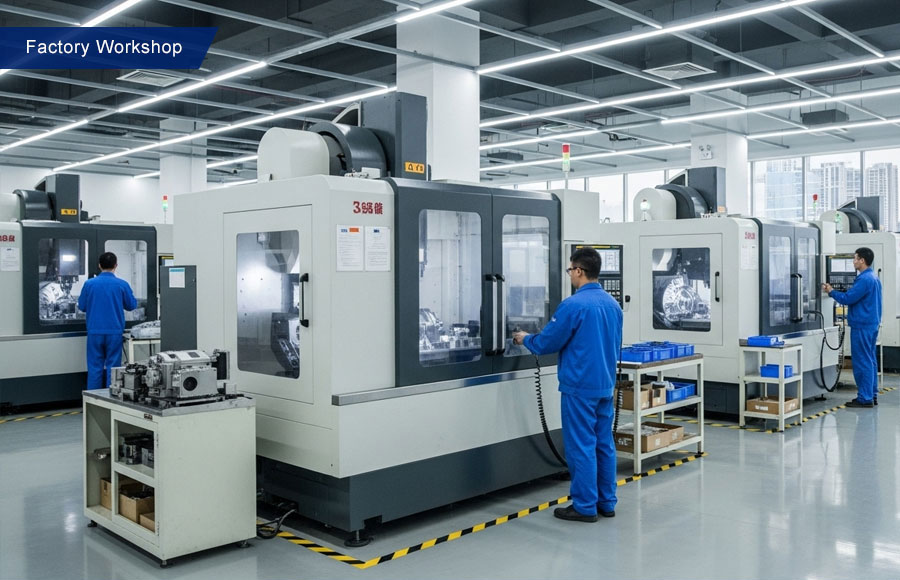
- CNC Grinding & Drilling: Because sintered ceramic is exceptionally hard and brittle, we employ diamond-tooled CNC grinding and drilling to achieve ultra-tight tolerances on the outer dimensions and internal resonant cavities.
- Silver Metallization (Electroplating): The machined ceramic block is thoroughly coated with a high-purity silver layer through specialized electroplating techniques. This creates a highly conductive resonant cavity essential for RF signal propagation.
Quality Control & RF Compliance
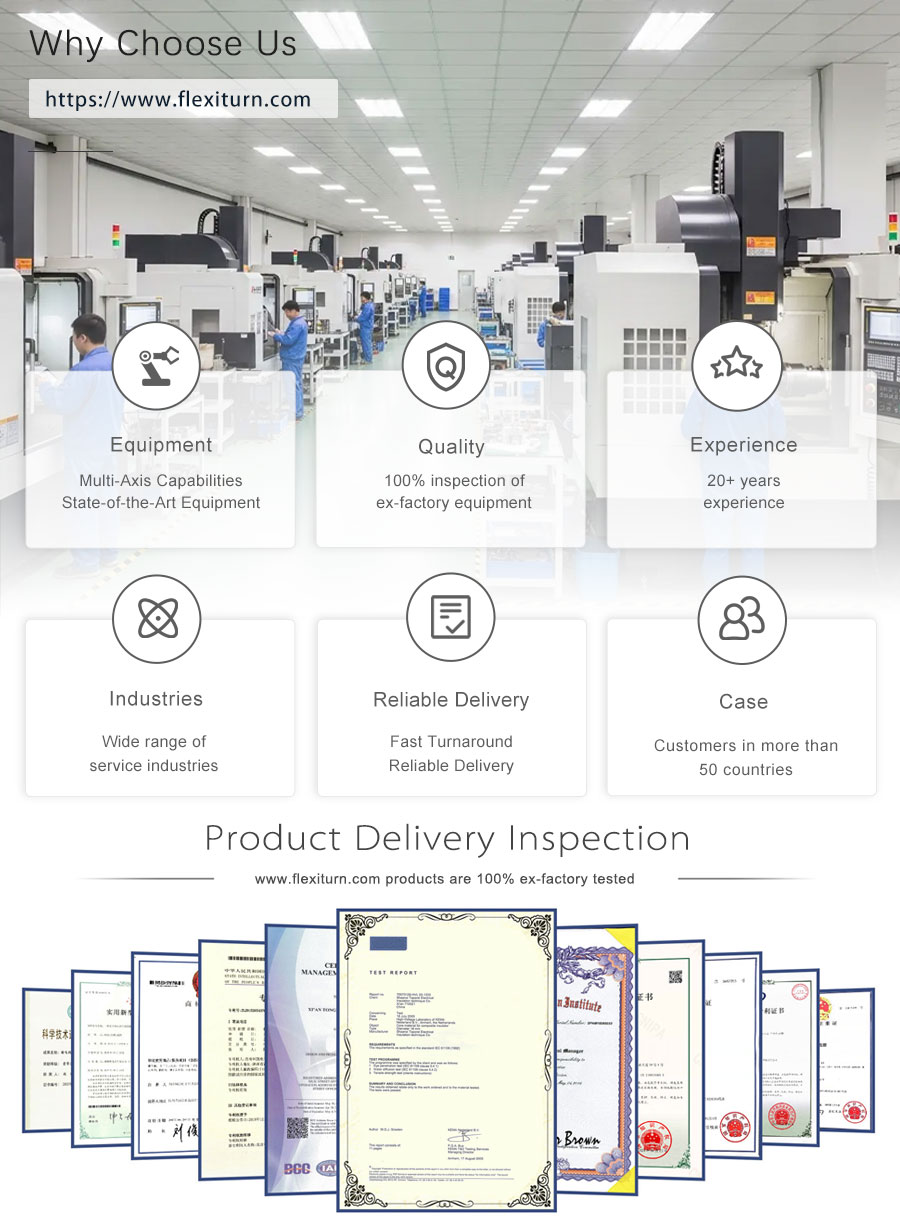
We implement strict, data-driven quality control tailored to the telecom industry. Beyond standard dimensional CMM inspections, every batch of ceramic filters undergoes rigorous electrical testing using Vector Network Analyzers (VNA).
We fully verify all critical S-parameters, including Insertion Loss, Return Loss, In-band Ripple, and Out-of-band Attenuation. Furthermore, all our ceramic materials and silver platings are strictly RoHS and REACH compliant, ensuring safe integration into global communication networks.
Applications
Our engineered ceramic dielectric filters are critical components in high-frequency wireless infrastructure, including:
- 5G Massive MIMO AAUs (Active Antenna Units)
- Sub-6GHz Macro and Small Cell Base Stations
- Satellite Communication Terminals
- Microwave Point-to-Point Links
- Radar and Aerospace RF Systems
Positioning Statement
We understand that pristine signal clarity and miniaturization are the cornerstones of 5G deployment. By combining advanced RF structural optimization, premium dielectric materials, precision CNC grinding, and rigorous VNA testing, FlexiTurn helps telecommunications equipment manufacturers reduce AAU weight, improve network reliability, and accelerate the rollout of high-speed wireless infrastructure.
We welcome your inquiries and look forward to supporting your high-frequency RF and telecom projects.

Q1. What types of machining services do you offer?
We provide comprehensive CNC turning and milling services. FlexiTurn machines are equipped with 8-station programmable turrets and support both turning and 5-axis milling operations, making them suitable for everything from simple cylindrical parts to complex multi-axis components.
Q2. What materials can you work with?
We machine a wide range of materials including carbon steel, stainless steel, aluminum, plastics, and other engineering-grade materials. If you have a specific material in mind, just send us your requirements and we'll confirm feasibility.
Q3. What is your typical lead time?
Lead times vary depending on part complexity, quantity, and material availability. For prototypes and small-batch runs, we typically deliver within 5–10 business days. For high-volume production, we'll provide a customized schedule after reviewing your drawings. Contact us with your project details for an accurate timeline.
Q4. How do you price your services?
Pricing is based on several factors: material cost, machining time, tooling requirements, setup complexity, and order quantity. We offer competitive rates for both low-volume prototypes and high-volume production runs. Request a quote with your CAD files or drawings and we'll get back to you within 24 hours.
Q5. What quality control measures do you have in place?
We follow strict quality control procedures throughout the machining process. Our CNC systems support programmable precision down to 1 μm, ensuring high accuracy and repeatability. Every batch undergoes dimensional inspection before shipping, and we can provide inspection reports upon request.