Custom Telecom Copper Grounding Busbars and Terminals
Product Overview:
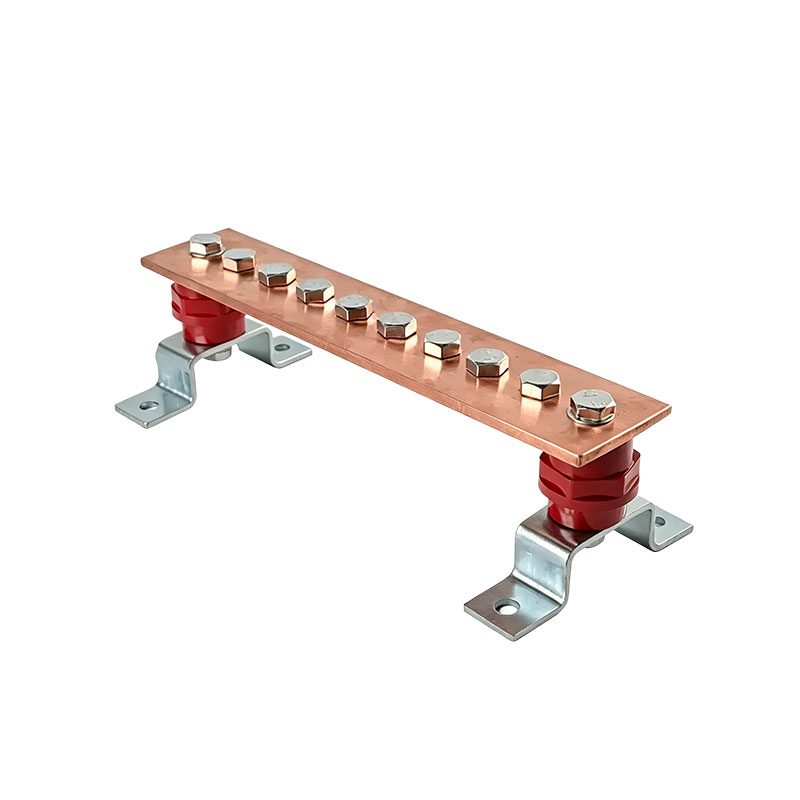
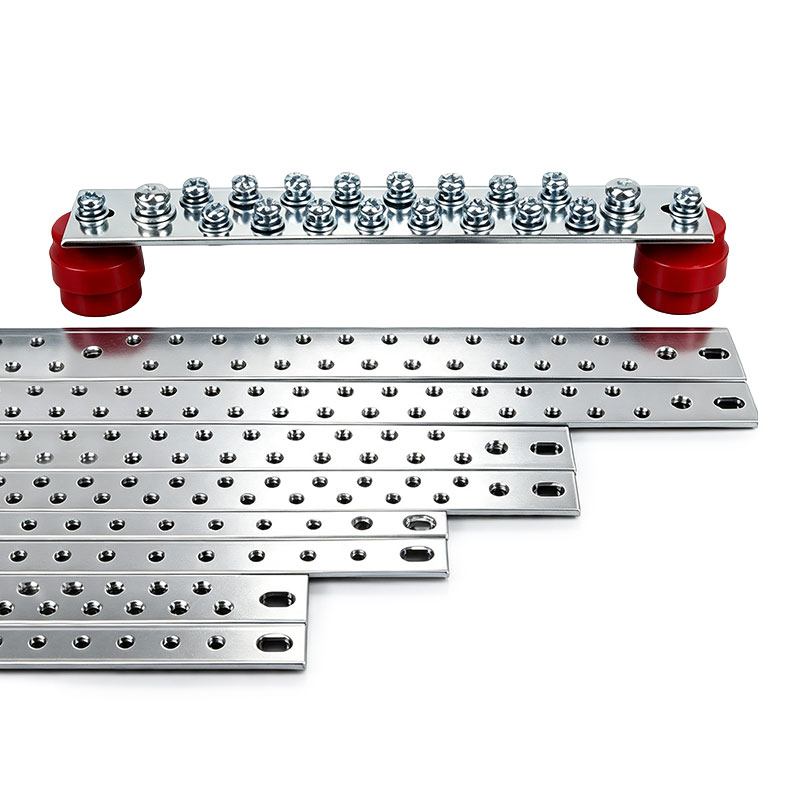
Engineered to protect critical telecommunications infrastructure from electrical surges and lightning strikes, our custom copper grounding busbars and terminals deliver uncompromising electrical conductivity. We specialize in comprehensive electrical structural design, targeted material advantage consulting, and precision sheet metal manufacturing. Utilizing high-purity copper and advanced CNC stamping and bending technologies, we provide robust, tin-plated grounding solutions that ensure strict quality compliance and long-term network stability for 5G base stations and data centers.
Workmanship: CNC Milling, CNC Drilling, Sheet Metal Fabrication, Electroplating, Metal Polishing
Material: Copper
Inquiry Email: sales@flexiturn.com
Custom Telecom Copper Grounding Busbars and Terminals Details
In telecommunications and data center infrastructure, a reliable grounding system is the first and most critical line of defense against lightning strikes, power surges, and electrical faults. A poorly designed grounding bar can lead to catastrophic equipment failure and network downtime.
At FlexiTurn, we do not just supply cut metal; we provide engineered electrical grounding solutions. We specialize in the custom design, precision fabrication, and surface finishing of copper grounding busbars and terminal blocks. We support our customers through every stage of development, ensuring the final product meets exact electrical load requirements and stringent industry safety standards.
Engineering & Structural Design Capability
The efficiency of electrical distribution and grounding is highly dependent on cross-sectional area optimization and proper connection interfaces. We provide complete engineering design support (DFM) to develop optimized busbar layouts based on your telecom cabinet's space constraints.
Our engineering team assists in calculating the optimal bend radii for thick copper bars to prevent micro-cracking, strategic hole placement for maximized contact area, and routing optimization to ensure the lowest possible electrical resistance path.
Material Selection & Advantage Consulting
When dealing with power distribution, the intrinsic physical properties of the material are everything. In our engineering consultations, we emphasize the core material advantages to ensure maximum conductivity and structural integrity:
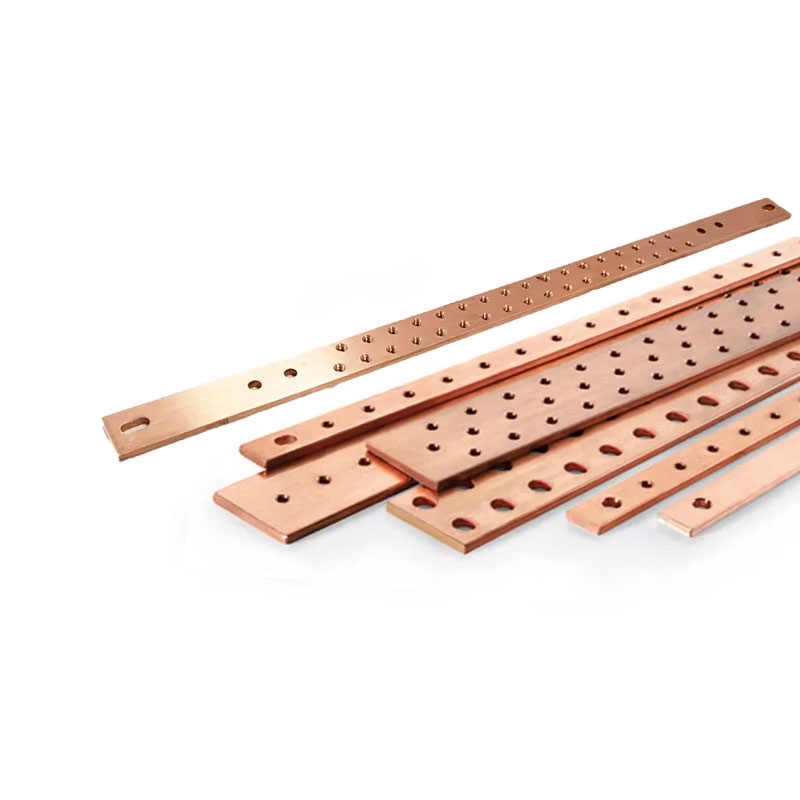
- High-Purity Copper (C11000 / T2): We exclusively source >99.9% pure electrolytic tough pitch (ETP) copper. This delivers an exceptional electrical conductivity rating (100% IACS), ensuring rapid and safe dissipation of fault currents.
- Material Tempering: Depending on the structural requirements—whether you need complex CNC bends or rigid, straight busbars—we consult on the optimal copper temper (e.g., Half-Hard or Full-Hard) to balance flexibility during manufacturing with long-term mechanical strength.
Precision Manufacturing Process Options
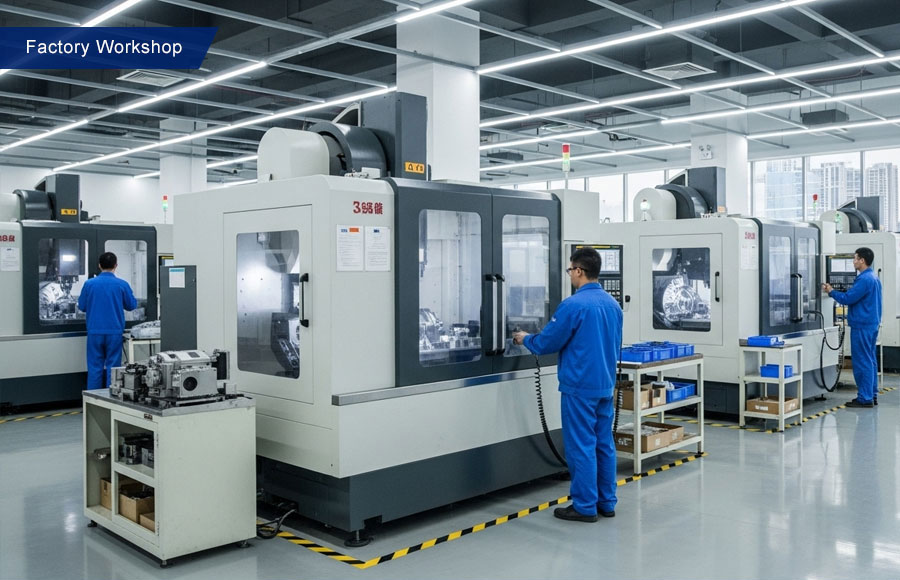
We utilize state-of-the-art sheet metal processing equipment to handle high-thickness copper materials with absolute precision:
- Laser & Waterjet Cutting: Ensures burr-free edges and precise hole diameters without altering the copper's thermal properties.
- CNC Press Brake Bending: Delivers ultra-accurate, repeatable angles for complex 3D busbar configurations, ensuring perfect alignment within cramped telecom enclosures.
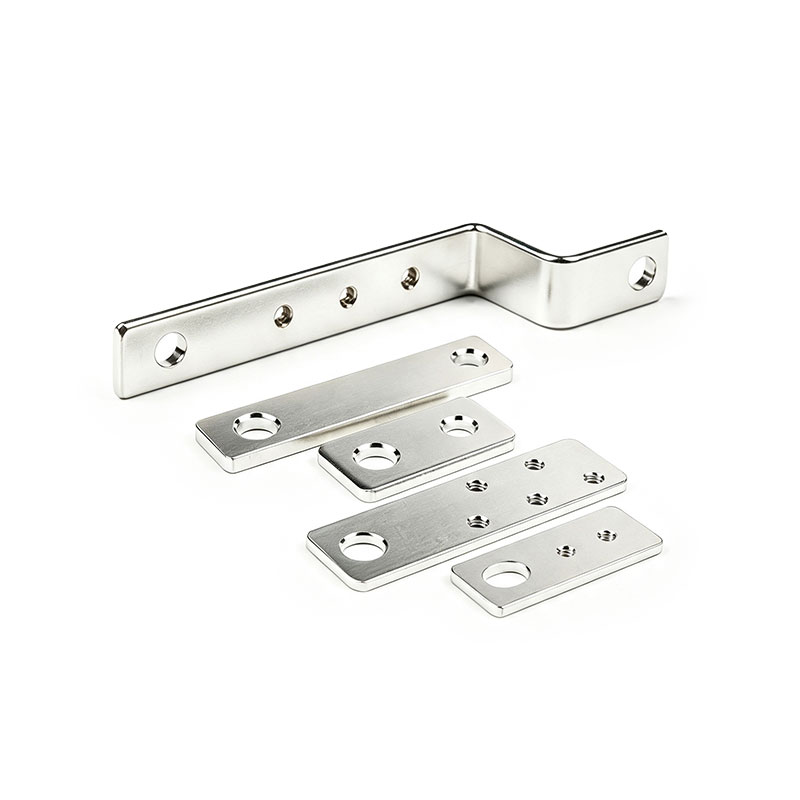
- Precision Stamping: Ideal for the high-volume, cost-effective production of smaller copper grounding lugs, terminal blocks, and contact plates.
Surface Treatment & Protection Options
Bare copper oxidizes rapidly when exposed to air, increasing electrical resistance. To ensure long-term reliability and compliance with outdoor telecom standards, we provide critical surface treatments:
- Tin Plating: The industry standard for telecom busbars. It prevents oxidation, significantly enhances solderability, and prevents galvanic corrosion when connecting dissimilar metals (like aluminum lugs to copper bars).
- Nickel Plating: Provides superior wear resistance for busbars that require frequent mating and unmating of connections.
- Heat Shrink Sleeving: We can apply specialized insulated PVC or heat-shrink tubing to specific sections of the busbar to prevent accidental short circuits in high-density cabinets.
Quality Control & Strict Compliance
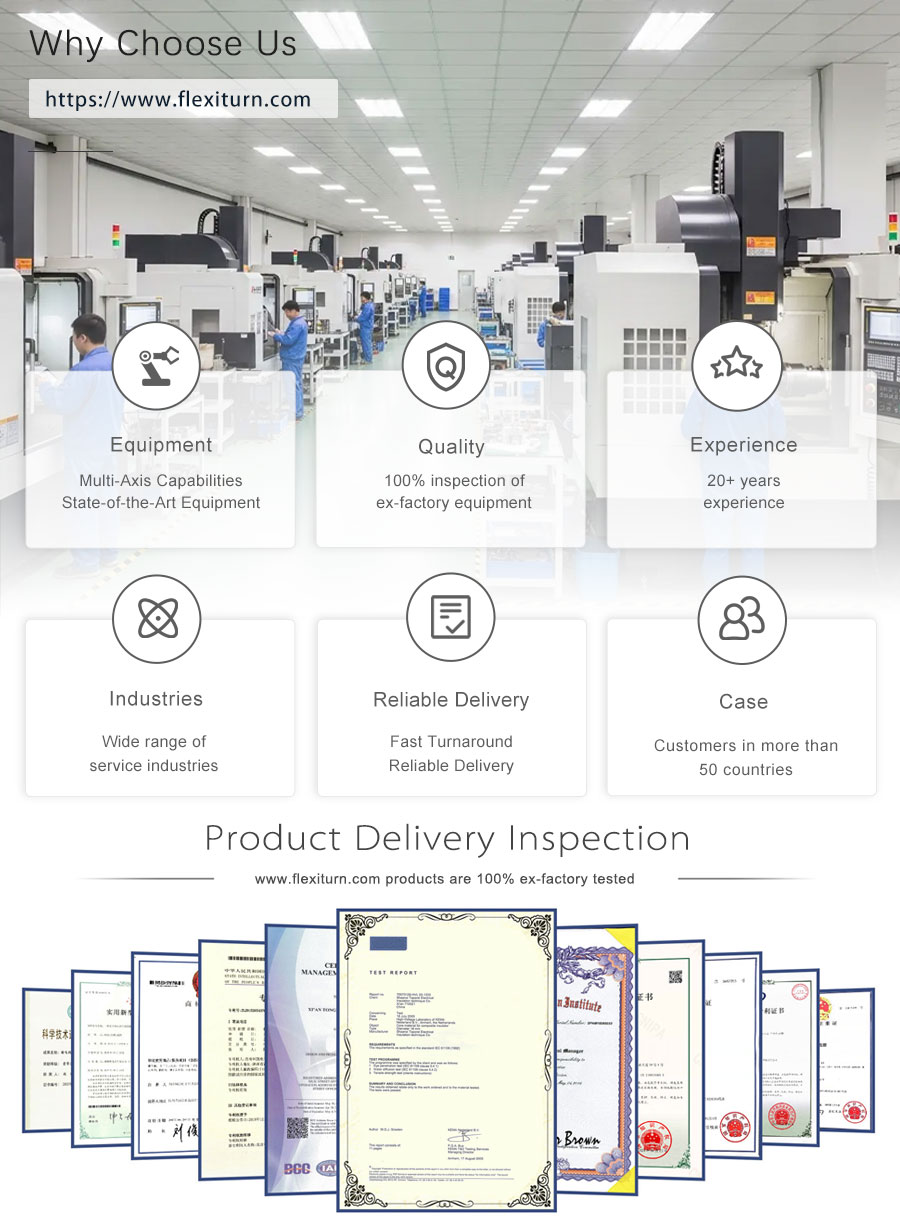
We recognize that telecom infrastructure requires absolute adherence to quality compliance requirements. Our inspection protocols are rigorous and data-driven. Every batch of copper undergoes strict material composition analysis to verify purity. We utilize precision CMMs to verify mounting hole dimensions and flatness. Furthermore, our busbars and surface treatments are strictly compliant with RoHS and REACH directives, ensuring safe and globally accepted electrical components.
Applications
Our engineered copper grounding solutions are trusted in critical power and communication sectors, including:
- 5G Base Stations & RRU/AAU Grounding
- Telecommunications Power Supply Cabinets
- Data Center Server Racks & UPS Systems
- Industrial Control Panels & Switchgears
- Renewable Energy Storage Systems
Positioning Statement
We understand that superior electrical performance begins with exceptional manufacturing. By combining structural design, targeted material advantage consulting, precision CNC fabrication, and strict quality compliance, FlexiTurn helps telecom equipment manufacturers optimize power distribution, ensure absolute safety, and deploy reliable network infrastructure worldwide.
We welcome your inquiries and look forward to supporting your custom grounding and power distribution projects.

Q1. What types of machining services do you offer?
We provide comprehensive CNC turning and milling services. FlexiTurn machines are equipped with 8-station programmable turrets and support both turning and 5-axis milling operations, making them suitable for everything from simple cylindrical parts to complex multi-axis components.
Q2. What materials can you work with?
We machine a wide range of materials including carbon steel, stainless steel, aluminum, plastics, and other engineering-grade materials. If you have a specific material in mind, just send us your requirements and we'll confirm feasibility.
Q3. What is your typical lead time?
Lead times vary depending on part complexity, quantity, and material availability. For prototypes and small-batch runs, we typically deliver within 5–10 business days. For high-volume production, we'll provide a customized schedule after reviewing your drawings. Contact us with your project details for an accurate timeline.
Q4. How do you price your services?
Pricing is based on several factors: material cost, machining time, tooling requirements, setup complexity, and order quantity. We offer competitive rates for both low-volume prototypes and high-volume production runs. Request a quote with your CAD files or drawings and we'll get back to you within 24 hours.
Q5. What quality control measures do you have in place?
We follow strict quality control procedures throughout the machining process. Our CNC systems support programmable precision down to 1 μm, ensuring high accuracy and repeatability. Every batch undergoes dimensional inspection before shipping, and we can provide inspection reports upon request.