Custom Telecom Fiber Optic Splice and Cable Management Trays
Product Overview:
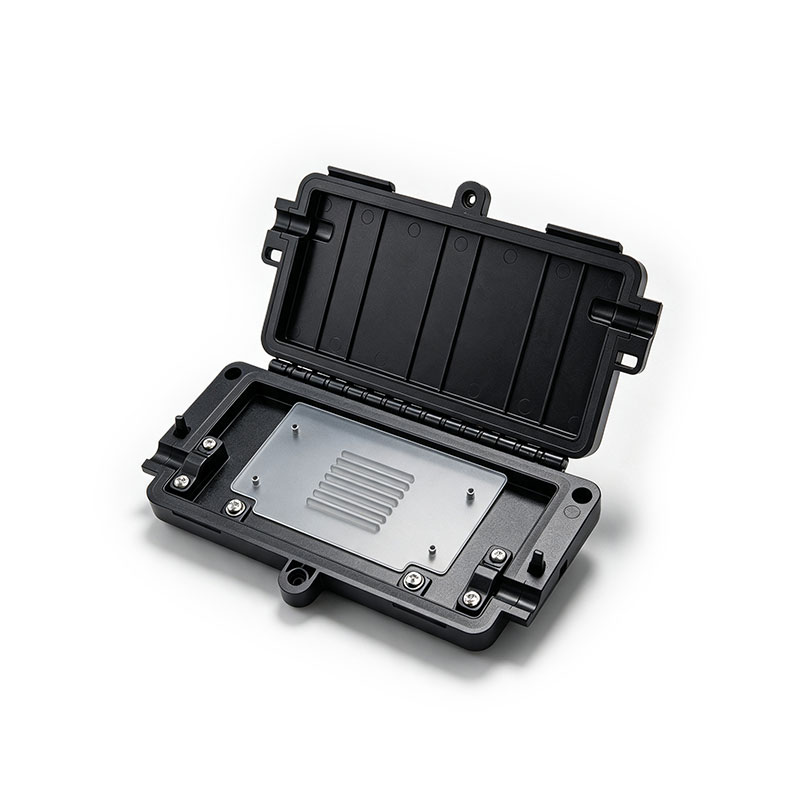
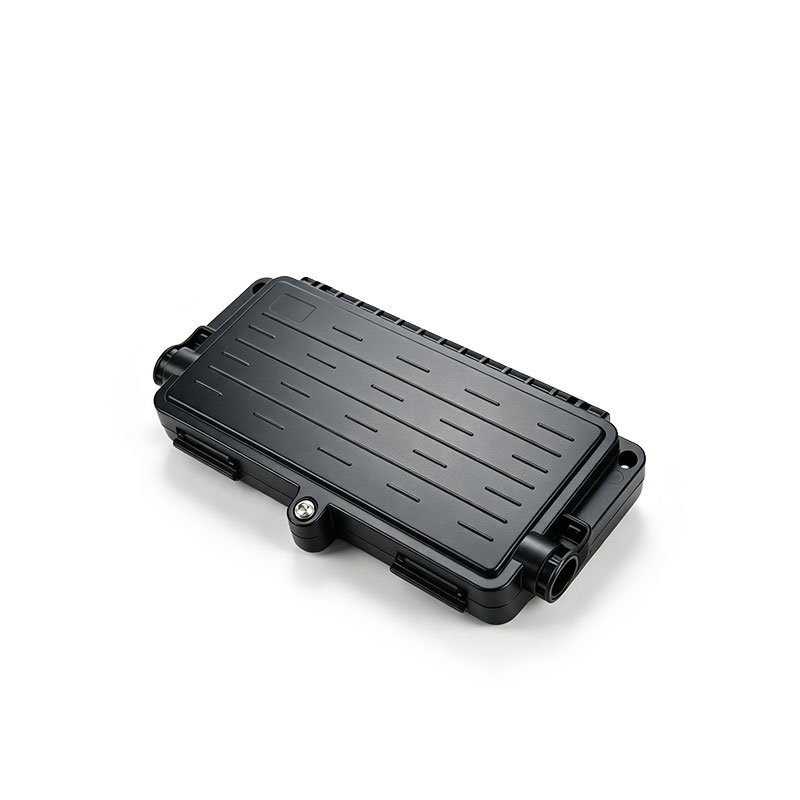
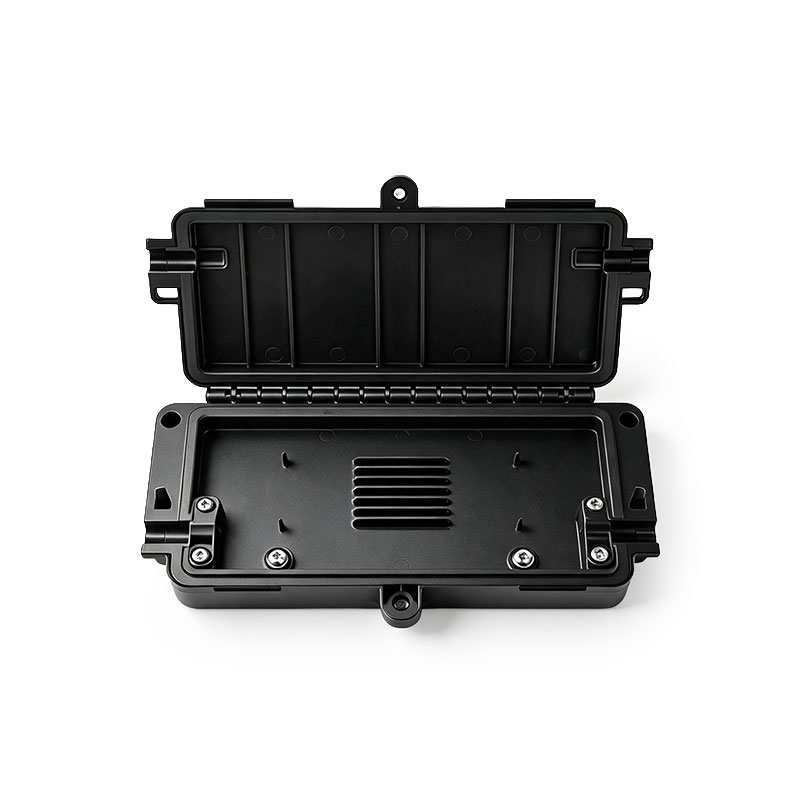
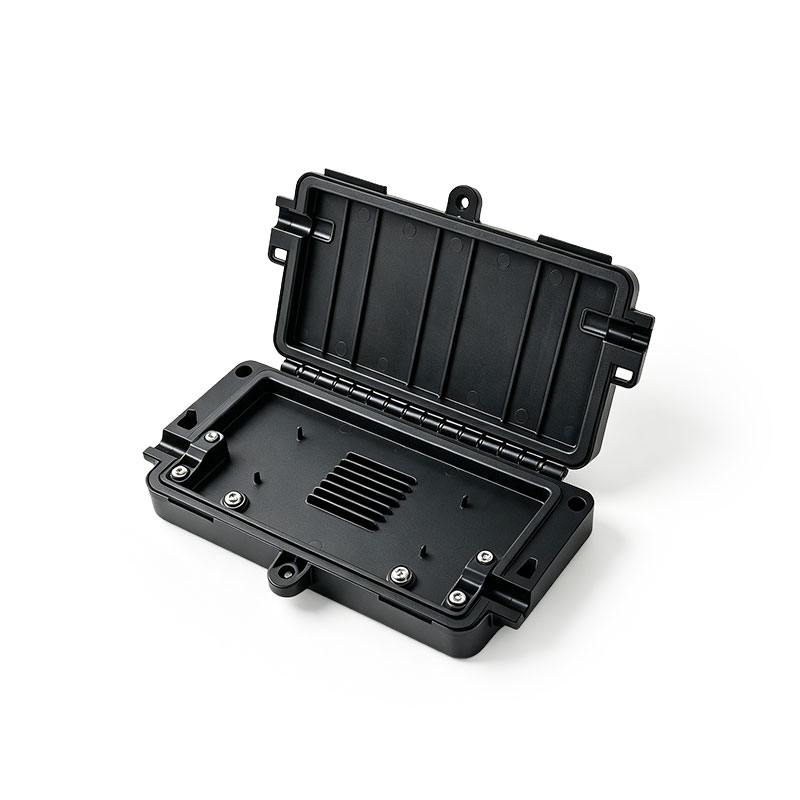
Engineered for high-density telecommunications networks, our custom fiber optic splice and cable management trays provide secure routing, organization, and protection for fragile optical fibers. Utilizing advanced plastic injection molding, we manufacture stackable trays that strictly enforce minimum bend radius requirements to prevent signal attenuation. By focusing on critical material advantages—including UL94-V0 flame-retardant ABS and Polycarbonate blends—we deliver robust, scalable cable management solutions for FTTH, 5G base stations, and data center Optical Distribution Frames (ODF).
Workmanship: Molding
Material: Plastic
Inquiry Email: sales@flexiturn.com
Custom Telecom Fiber Optic Splice and Cable Management Trays Details
In modern telecommunications, the transition from copper to fiber optics (FTTH, FTTx) demands meticulous cable management. Optical fibers are inherently fragile; improper routing or excessive bending can lead to micro-bending loss, signal attenuation, or catastrophic fiber breakage.
At FlexiTurn, we provide engineered optical cable management solutions. We specialize in the precision injection molding of fiber optic splice trays and cassettes designed for 6, 12, 24, and up to 48-core configurations. Our trays not only provide a secure housing for fusion splices and mechanical splices but also serve as the structural foundation for scalable, high-density fiber distribution in modern network infrastructure.
Engineering & Structural Design Capability
The performance of a fiber optic tray is defined by its internal geometry. We provide complete structural design support (DFM) to ensure your cable management solutions meet the strict physical constraints of optical fibers.
- Bend Radius Control: Our engineering team designs the internal routing channels to strictly maintain a minimum bend radius (typically ≥ 30mm), ensuring zero signal degradation across all optical wavelengths.
- Modular Stackability: We design clever hinge and snap-fit mechanisms that allow multiple trays to be seamlessly stacked within a single Optical Distribution Frame (ODF) or splice closure, maximizing space efficiency in cramped telecom cabinets.
- Integrated Strain Relief: Strategic tie-down points and entry/exit ports are designed to secure incoming buffer tubes and pigtails, isolating the delicate spliced joints from any external pulling forces.
Material Selection & Advantage Consulting
In our engineering consultations, we prioritize core material advantages and strict industrial specifications to ensure absolute protection for delicate optical fibers. We focus heavily on structural integrity and safety compliance:
- Flame-Retardant ABS & PC Blends: We utilize premium engineering plastics engineered to meet UL94-V0 flame-retardancy standards. This is a non-negotiable requirement for indoor telecom cabinets and data centers to prevent fire propagation.
- High-Impact Resistance: By leveraging the toughness of Polycarbonate (PC) mixed with ABS, our trays resist cracking and deformation, even when exposed to extreme temperature fluctuations in outdoor enclosures.
- Industrial Mounting Specifications: For unique installation requirements, we offer integration with high-performance 3M adhesive specifications (such as VHB tapes) for secure, tool-less mounting of the trays inside specialized equipment housings, ensuring long-term stability without mechanical fasteners.
Precision Injection Molding Process
Even minor imperfections in plastic tooling can damage bare optical fibers. Our manufacturing process guarantees absolute safety:
- Flash-Free Molding: We utilize high-precision injection molds to ensure all internal routing channels, splice holders, and retaining tabs are perfectly smooth and completely free of sharp burrs (flash) that could score or sever the glass fiber.
- Consistent Dimensional Tolerance: Our automated injection molding machines ensure that the snap-fit hinges and splice-holding grooves maintain exact tolerances across high-volume production runs, guaranteeing secure fiber retention.
Quality Control & Compliance
We implement strict quality assurance protocols tailored for telecom hardware. Beyond dimensional checks, our molded trays undergo thermal cycling tests to ensure the plastics do not warp or become brittle under extreme environmental conditions (-40°C to +85°C). All raw materials used are strictly RoHS and REACH compliant, meeting the environmental requirements of global telecommunications providers.
Applications
- Our fiber optic splice trays and cable management systems are essential components in:
- Fiber Optic Splice Closures (FOSC) for Aerial and Underground Networks
- Optical Distribution Frames (ODF) in Data Centers
- Fiber Access Terminal Boxes (FAT) and Splitter Boxes
- 5G Base Station Fiber Routing Configurations
- FTTH / FTTx Customer Premises Equipment (CPE)
Positioning Statement
We understand that a broken fiber means a broken network. By combining expert bend-radius optimization, uncompromising flame-retardant material advantages, and ultra-smooth precision injection molding, FlexiTurn helps telecom equipment manufacturers organize, protect, and scale their optical networks with absolute confidence.

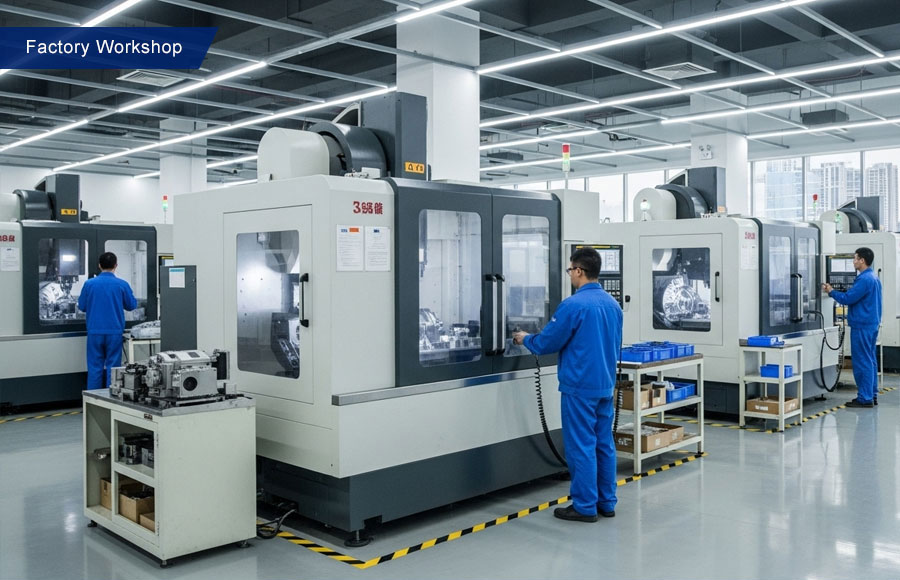

Q1. What types of machining services do you offer?
We provide comprehensive CNC turning and milling services. FlexiTurn machines are equipped with 8-station programmable turrets and support both turning and 5-axis milling operations, making them suitable for everything from simple cylindrical parts to complex multi-axis components.
Q2. What materials can you work with?
We machine a wide range of materials including carbon steel, stainless steel, aluminum, plastics, and other engineering-grade materials. If you have a specific material in mind, just send us your requirements and we'll confirm feasibility.
Q3. What is your typical lead time?
Lead times vary depending on part complexity, quantity, and material availability. For prototypes and small-batch runs, we typically deliver within 5–10 business days. For high-volume production, we'll provide a customized schedule after reviewing your drawings. Contact us with your project details for an accurate timeline.
Q4. How do you price your services?
Pricing is based on several factors: material cost, machining time, tooling requirements, setup complexity, and order quantity. We offer competitive rates for both low-volume prototypes and high-volume production runs. Request a quote with your CAD files or drawings and we'll get back to you within 24 hours.
Q5. What quality control measures do you have in place?
We follow strict quality control procedures throughout the machining process. Our CNC systems support programmable precision down to 1 μm, ensuring high accuracy and repeatability. Every batch undergoes dimensional inspection before shipping, and we can provide inspection reports upon request.