Custom CNC Aluminum Bracket for Medical Use
Product Overview:
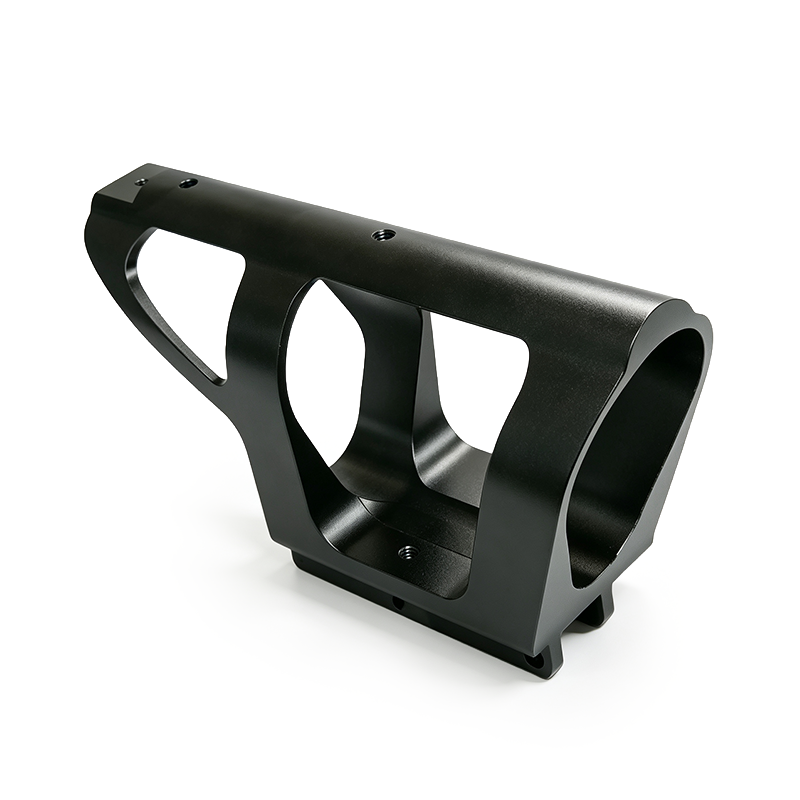
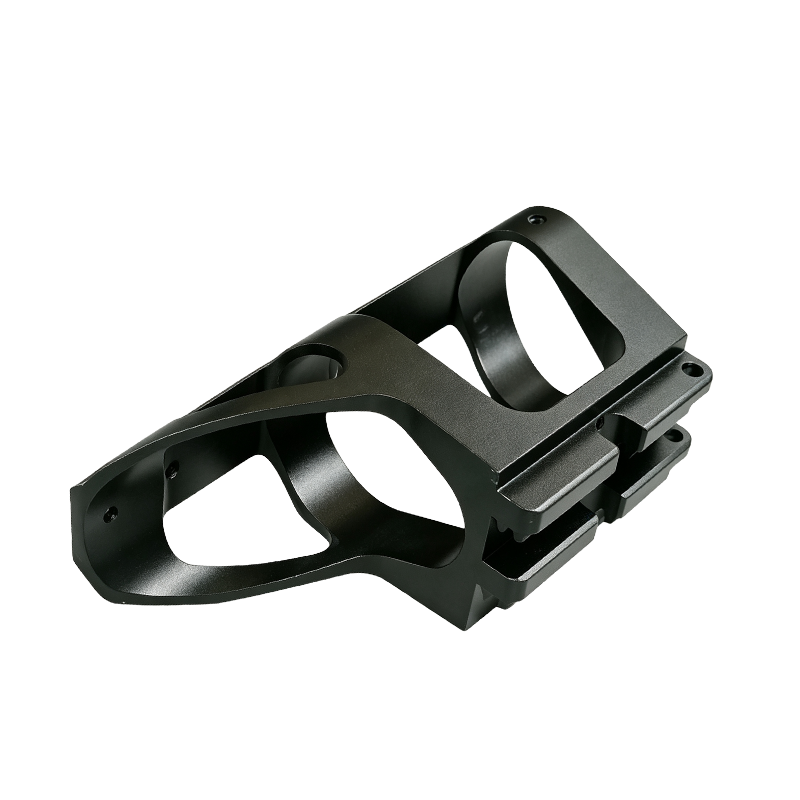
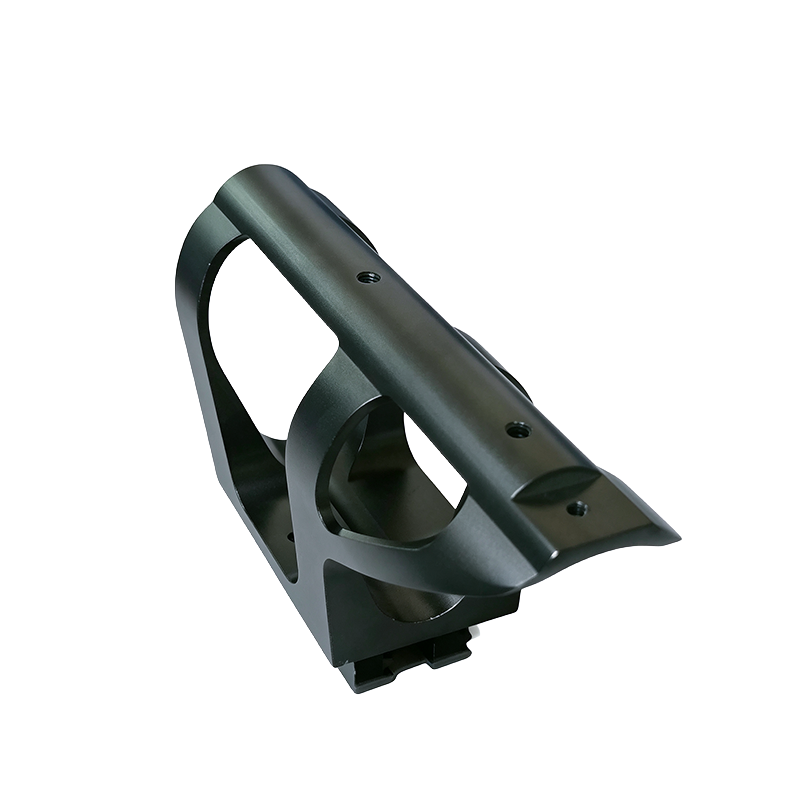
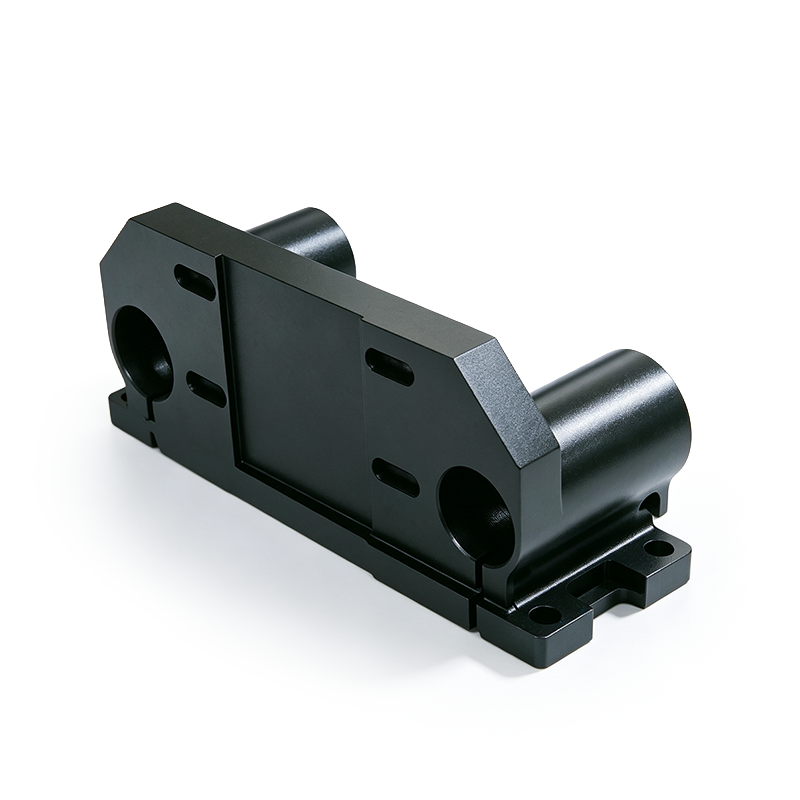
FlexiTurn provides custom CNC aluminum brackets for medical equipment, manufactured to customer drawings, CAD files, samples, and specific non-standard requirements. These brackets can be designed for mounting, positioning, supporting, or connecting internal equipment components, with customized hole patterns, threaded features, mounting surfaces, slots, and other geometry matched to the actual assembly. We support prototype, small-batch, and production manufacturing, with engineering review, CNC machining, surface finishing, inspection, and other secondary processes available according to project requirements.
Workmanship: CNC Milling, CNC Drilling, 5 Axis CNC Machining, 4 Axis CNC Machining, 3 Axis CNC Machining
Material: Aluminum
Inquiry Email: sales@flexiturn.com
Custom CNC Aluminum Bracket for Medical Use Details
Medical equipment often contains multiple internal modules, electronic assemblies, sensors, covers, and structural components that need to be securely positioned within a compact system. Aluminum brackets are commonly used as mounting and support components, but their dimensions, hole patterns, mounting interfaces, and overall geometry usually depend on the specific equipment design.
FlexiTurn provides custom CNC aluminum brackets for medical equipment based on customer drawings, CAD files, samples, and specific non-standard requirements. Rather than supplying standard brackets, we manufacture each bracket according to the required dimensions, mounting interfaces, hole locations, and assembly conditions.
Designed Around the Equipment AssemblyA medical equipment bracket may look simple, but its function depends on how it connects with surrounding components. A small change in hole position, mounting surface, thickness, or locating feature can affect the installation of the supported component.
Depending on the equipment design, a custom bracket may include:
- Precision mounting holes and threaded holes
- Locating features for component positioning
- Flat or machined mounting surfaces
- Slots or adjustment features
- Stepped or recessed sections
- Lightweight structural ribs
- Interfaces for housings, sensors, electronic modules, or other assemblies
FlexiTurn reviews these features according to the customer's drawing and the actual assembly requirements rather than treating the bracket as a generic L-shaped component.
Aluminum for Lightweight Medical Equipment StructuresAluminum is widely used for medical equipment brackets and support structures where a combination of low weight, machinability, rigidity, and suitable surface finishing is required. 6061 aluminum, for example, is commonly used for machined medical equipment components and mounting brackets.
For each project, the material is selected according to the customer's specified grade and application requirements. FlexiTurn can manufacture the bracket from the required aluminum material rather than limiting the project to a standard bracket specification.
CNC Machining for Non-Standard BracketsThe manufacturing requirements of a medical equipment bracket depend heavily on its geometry. A relatively simple bracket may require standard 3-axis milling, while a more complex bracket with multiple machined faces or difficult-to-access features may benefit from 4-axis or 5-axis machining.
FlexiTurn can apply CNC milling, drilling, tapping, and appropriate multi-axis machining according to the actual part design. The machining route is determined by the geometry, material, quantity, and required interfaces rather than applying the same process to every bracket.
Surface Finishing and Functional DetailsDepending on the customer's requirements, aluminum brackets may require surface treatment for appearance, surface protection, or specific assembly conditions. Anodizing, for example, is used on CNC-machined aluminum medical equipment components, while other finishing requirements can be considered according to the specified material and application.
FlexiTurn can also handle secondary requirements such as deburring and finishing of machined edges, with surface treatment selected according to the customer's drawing or project specifications.
From Drawing to ProductionFor a custom medical aluminum bracket, the important part is not simply machining the external shape. The bracket needs to fit the surrounding assembly as intended.
FlexiTurn can support the process from drawing or CAD review through manufacturing and inspection. Depending on the project, this may include DFM review, prototype production, CNC machining, surface finishing, dimensional inspection, and assembly support.
This approach is suitable for new medical equipment development, prototype validation, equipment modifications, replacement components, and small-batch production.
Factory-Direct Manufacturing for Custom Medical ComponentsFlexiTurn manufactures non-standard components directly in its own factory. Customers can provide drawings, CAD files, physical samples, or specific requirements, and our engineering team can review the manufacturing details before production.
For prototype and small-batch projects, this factory-direct approach provides flexibility without requiring the customer to adapt the equipment design to an off-the-shelf bracket. Pricing is determined according to the actual material, geometry, machining requirements, quantity, finishing, and inspection requirements.
Made to Your Medical Equipment RequirementsWhether the bracket is used to mount an internal module, support a sensor or electronic assembly, connect two equipment structures, or provide a dedicated mounting interface, FlexiTurn focuses on manufacturing the specific non-standard bracket required by your equipment design.
Send us your drawing, CAD file, sample, or bracket requirements to discuss your custom CNC aluminum bracket project.
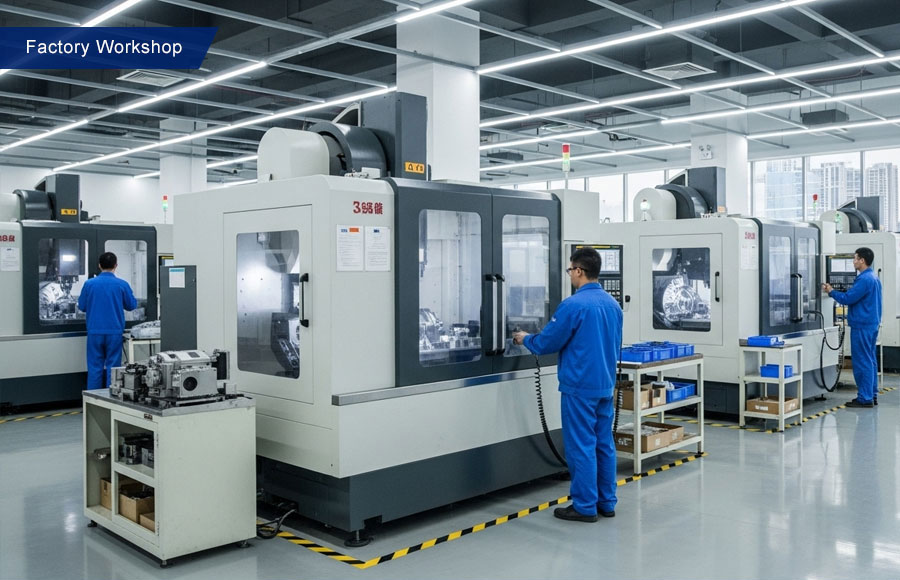

Q1. What types of machining services do you offer?
We provide comprehensive CNC turning and milling services. FlexiTurn machines are equipped with 8-station programmable turrets and support both turning and 5-axis milling operations, making them suitable for everything from simple cylindrical parts to complex multi-axis components.
Q2. What materials can you work with?
We machine a wide range of materials including carbon steel, stainless steel, aluminum, plastics, and other engineering-grade materials. If you have a specific material in mind, just send us your requirements and we'll confirm feasibility.
Q3. What is your typical lead time?
Lead times vary depending on part complexity, quantity, and material availability. For prototypes and small-batch runs, we typically deliver within 5–10 business days. For high-volume production, we'll provide a customized schedule after reviewing your drawings. Contact us with your project details for an accurate timeline.
Q4. How do you price your services?
Pricing is based on several factors: material cost, machining time, tooling requirements, setup complexity, and order quantity. We offer competitive rates for both low-volume prototypes and high-volume production runs. Request a quote with your CAD files or drawings and we'll get back to you within 24 hours.
Q5. What quality control measures do you have in place?
We follow strict quality control procedures throughout the machining process. Our CNC systems support programmable precision down to 1 μm, ensuring high accuracy and repeatability. Every batch undergoes dimensional inspection before shipping, and we can provide inspection reports upon request.