Custom CNC Machined Aluminum Coupling Hubs
Product Overview:
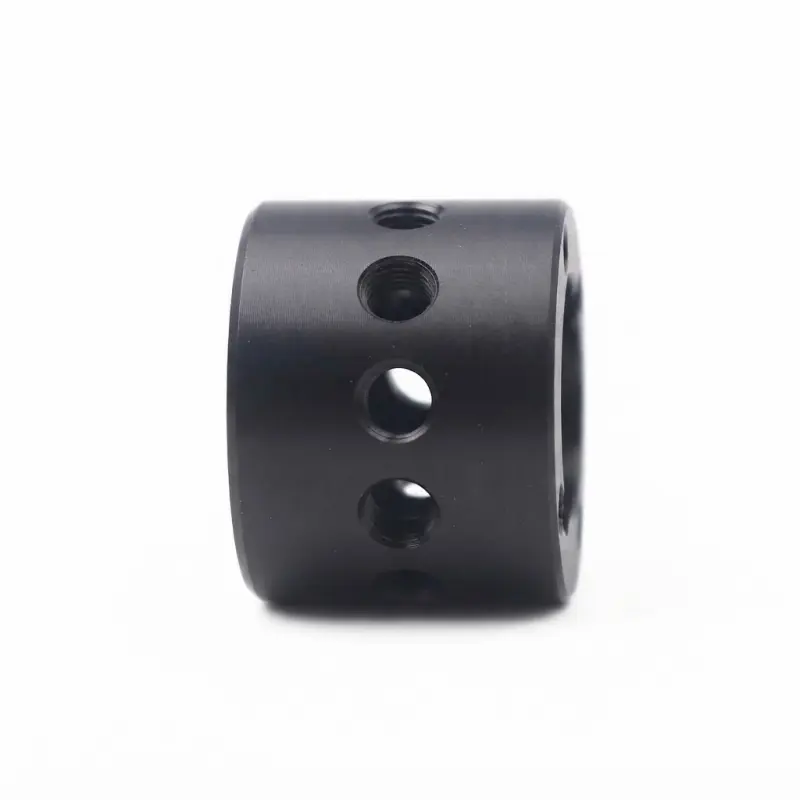
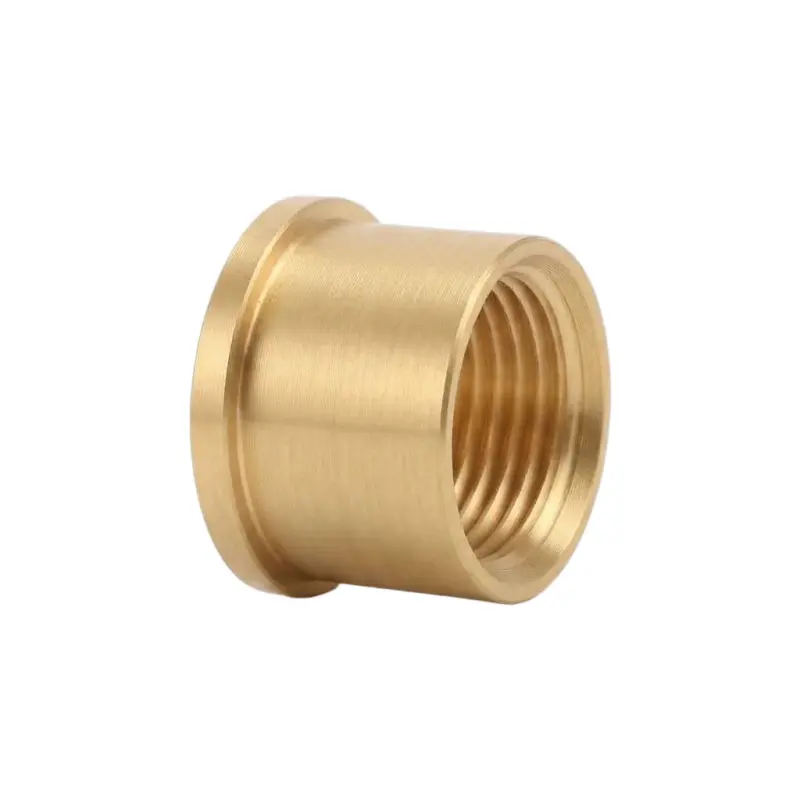
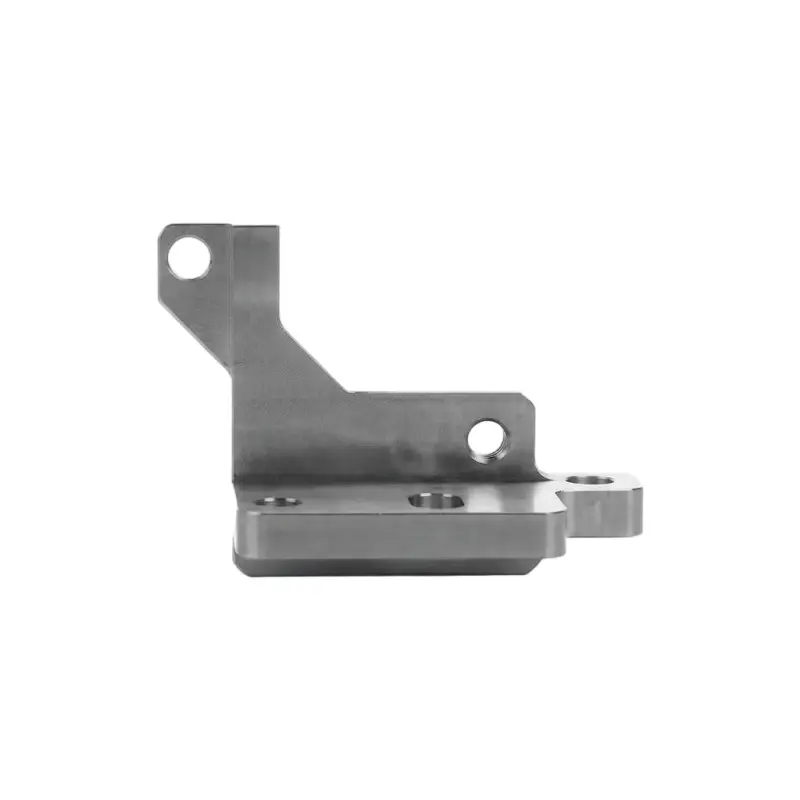
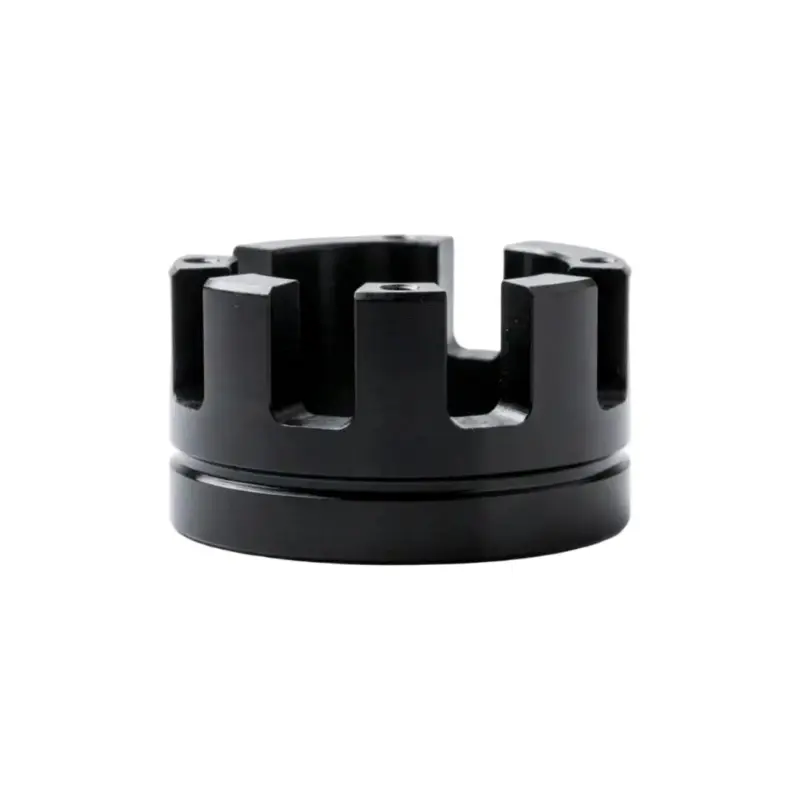
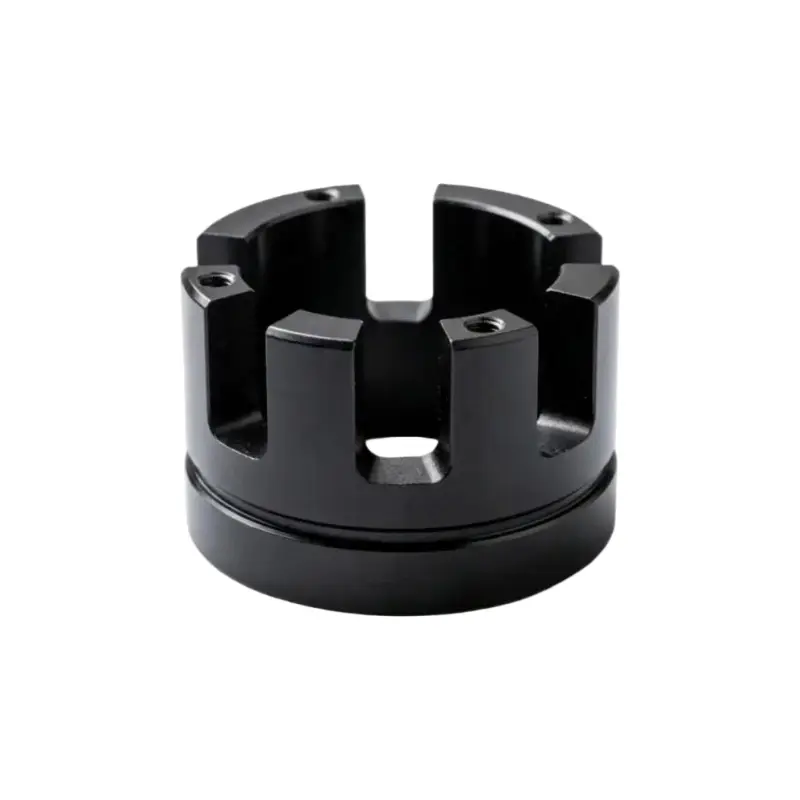
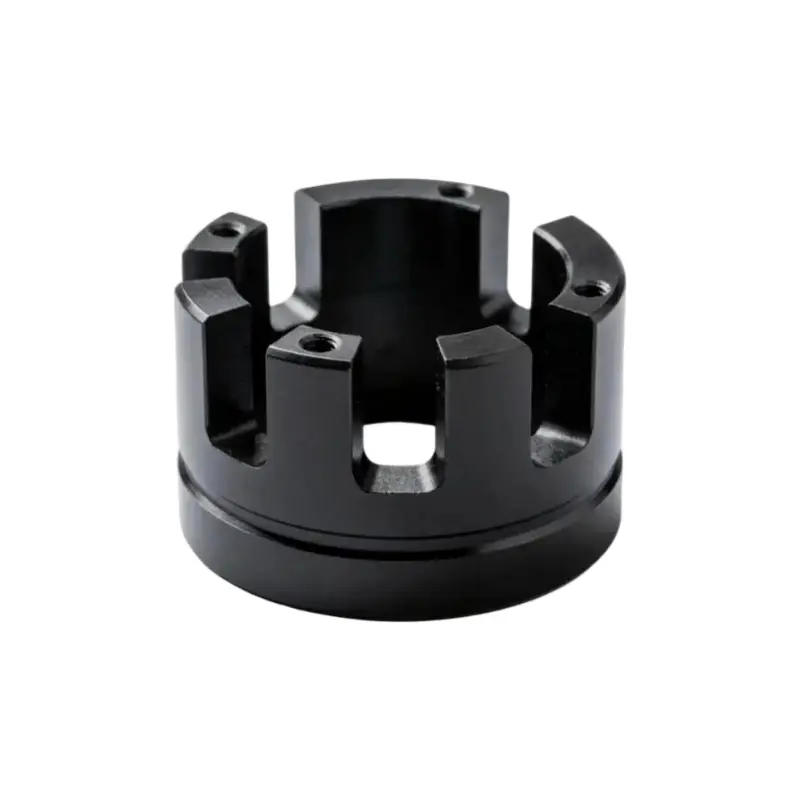
FlexiTurn custom CNC machines black anodized aluminum coupling hubs with milled jaws, threaded holes, precision bores, and keyways. Machined from 6061-T6 and other alloys to your drawings for motion control and power transmission applications. Prototype to production supported.
Workmanship: CNC Turning, CNC Drilling, 4 Axis CNC Machining
Material: Aluminum
Inquiry Email: sales@flexiturn.com
Custom CNC Machined Aluminum Coupling Hubs Details
FlexiTurn provides custom CNC turning and milling for black-anodized aluminum jaw coupling halves. Each hub features radially spaced jaw teeth, a precision through bore, a square keyway, and set-screw threaded holes. They are machined from certified 6061-T6 aluminum bar stock for power transmission applications.
Performance depends on jaw pitch diameter accuracy, bore-to-jaw concentricity, and keyway fit. Multi-setup machining can introduce cumulative runout, keyway misalignment, and uneven jaw spacing, leading to vibration and premature spider wear. FlexiTurn uses datum-aligned turning and indexed milling to control these risks and deliver repeatable jaw geometry and bore accuracy from prototype through production.
Machining Process & CapabilitiesFlexiTurn performs all core coupling machining in-house. Tooling and fixturing are calibrated to maintain bore-to-jaw concentricity across turning and milling operations.
CNC Turning: Outer diameter, through bore, end faces, and bottom registration groove are turned from solid bar in a single setup, controlling bore-to-OD concentricity.
Indexed Milling: Jaw teeth and jaw slots are milled on a 3-axis machining center with rotary indexing, preserving equal angular spacing between jaws relative to the turned bore.
Keyway Machining: Square keyway is broached or slot-milled to standard key dimensions.
Drilling & Tapping: Set-screw threaded holes on jaw faces are drilled and tapped to specification.
Surface Finish: Black Type II anodizing applied after machining; critical bore and keyway dimensions are pre-compensated for coating thickness to preserve final fit.
Materials & Dimensional SpecificationsStandard material: 6061-T6 aluminum, certified bar stock
On request: 7075-T6 (higher strength), 2024-T4, 304/316L stainless, brass
Bore tolerance: H7 standard
Keyway: Square key per customer drawing
Jaw angular spacing: ±0.5° per jaw
Surface finish: Black Type II anodize; clear anodize on request
Maximum turning diameter: 300 mm
Why Choose FlexiTurnDatum-aligned turning and milling — bore and jaw geometry referenced to a common datum; minimizes cumulative runout.
Anodize pre-compensation — bore and keyway dimensions held before coating so final fit is preserved after anodize.
Coupling-specific inspection — bore gauges, keyway gauges, and jaw pitch measurement on every batch.
Power-transmission material matrix — 6061-T6 standard; 7075-T6 for higher torque; stainless for corrosion environments.
Prototypes to production — bar-stock machined parts, no casting or molding tooling required.
Single-source across materials — coupling hubs plus mating flanges, spacers, and adapter sleeves consolidated from one supplier.
How to Proceed- Submit 2D (PDF/DWG) or 3D (STEP/IGES) drawings with bore size, keyway, jaw type, set-screw size, and quantity.
- Receive a coupling-specific DFM review and factory-direct quote from FlexiTurn.
- Prototype hubs delivered with dimensional inspection report and material certificate.
- Volume production with locked process parameters and scheduled in-process bore and jaw verification.
- Global shipping with protective packaging.
For custom aluminum jaw coupling halves with H7 bore accuracy and jaw geometry control, contact FlexiTurn with your CAD files.
FlexiTurn – Precision Machining, Delivered with Trust.

Q1. What types of machining services do you offer?
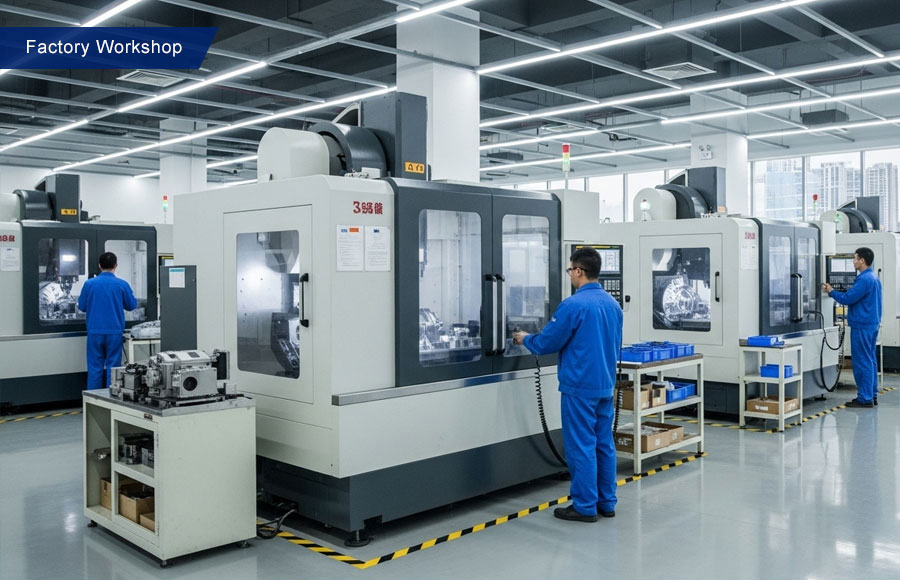
We provide comprehensive CNC turning and milling services. FlexiTurn machines are equipped with 8-station programmable turrets and support both turning and 5-axis milling operations, making them suitable for everything from simple cylindrical parts to complex multi-axis components.
Q2. What materials can you work with?
We machine a wide range of materials including carbon steel, stainless steel, aluminum, plastics, and other engineering-grade materials. If you have a specific material in mind, just send us your requirements and we'll confirm feasibility.
Q3. What is your typical lead time?
Lead times vary depending on part complexity, quantity, and material availability. For prototypes and small-batch runs, we typically deliver within 5–10 business days. For high-volume production, we'll provide a customized schedule after reviewing your drawings. Contact us with your project details for an accurate timeline.
Q4. How do you price your services?
Pricing is based on several factors: material cost, machining time, tooling requirements, setup complexity, and order quantity. We offer competitive rates for both low-volume prototypes and high-volume production runs. Request a quote with your CAD files or drawings and we'll get back to you within 24 hours.
Q5. What quality control measures do you have in place?
We follow strict quality control procedures throughout the machining process. Our CNC systems support programmable precision down to 1 μm, ensuring high accuracy and repeatability. Every batch undergoes dimensional inspection before shipping, and we can provide inspection reports upon request.