Precision CNC Machined RF Duplexer Housings
Product Overview:
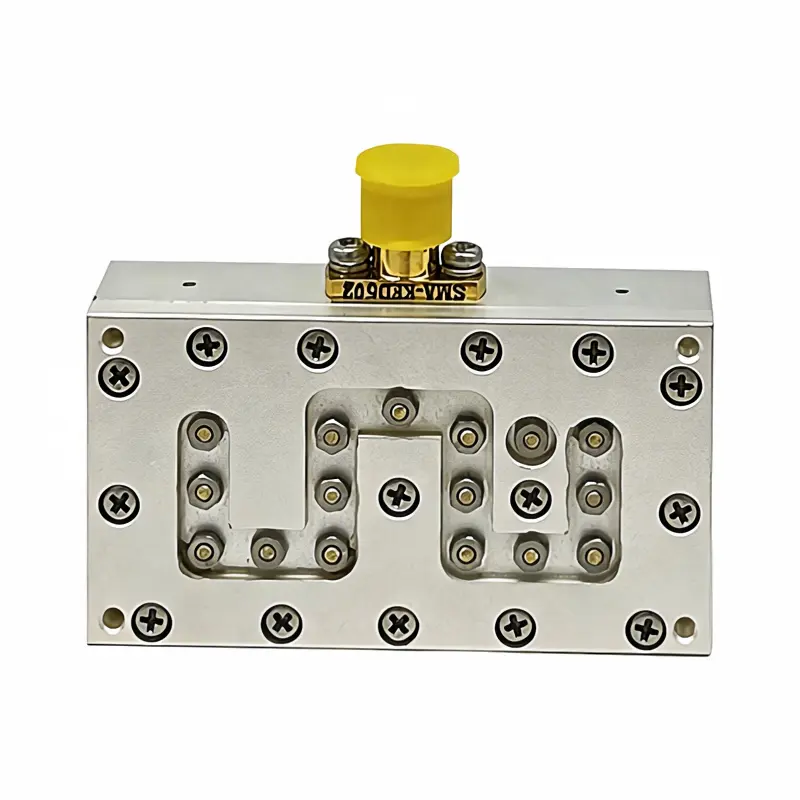
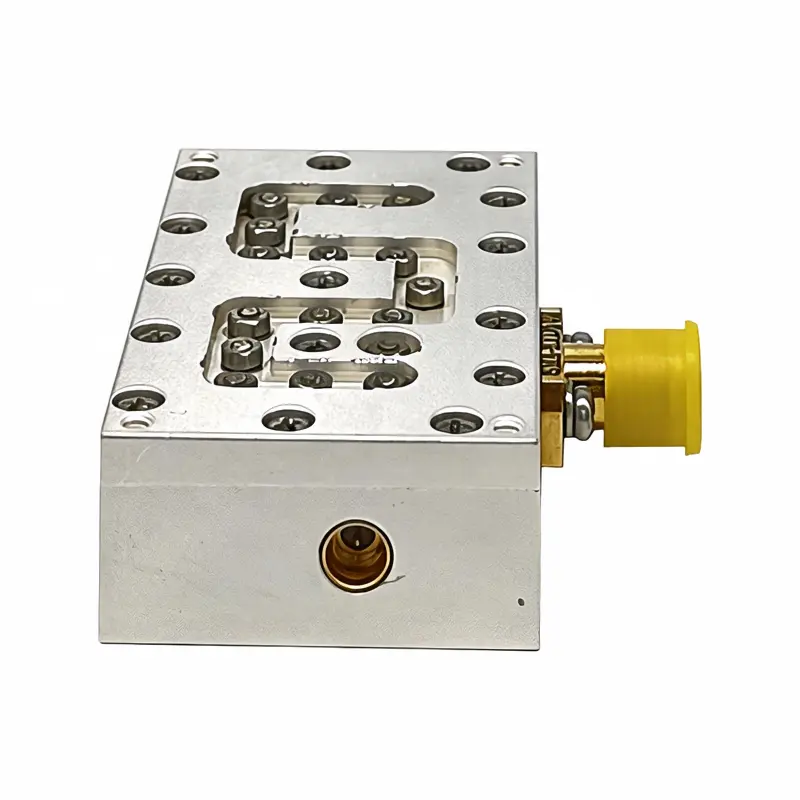
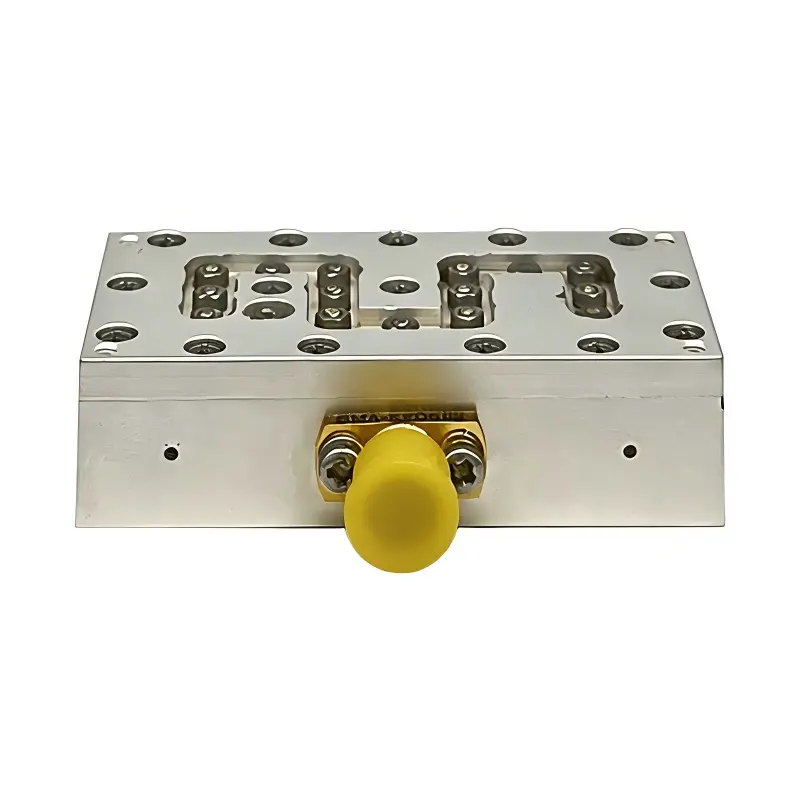
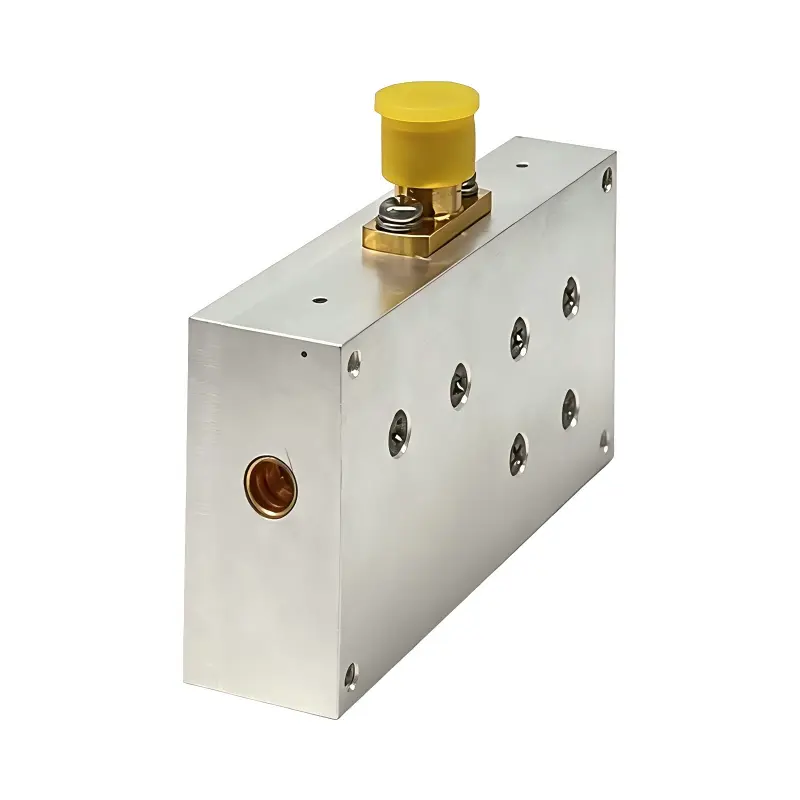
FlexiTurn specializes in custom CNC machined RF duplexer housings for telecom applications, manufacturing non-standard housings based on customer drawings, CAD files, or physical samples. We provide flexible customization options for housing dimensions, internal cavity structures, connector interfaces, mounting features, and material selection to meet different RF equipment requirements. With CNC milling, multi-axis machining, surface finishing, and inspection capabilities, FlexiTurn supports prototype development and small-batch production of precision RF components. Our engineering team works closely with customers to optimize manufacturability and deliver reliable duplexer housing solutions for communication systems.
Workmanship: CNC Milling, CNC Drilling, 5 Axis CNC Machining, 4 Axis CNC Machining, 3 Axis CNC Machining
Material: Aluminum
Inquiry Email: sales@flexiturn.com
Precision CNC Machined RF Duplexer Housings Details
Precision CNC Machined RF Duplexer Housings
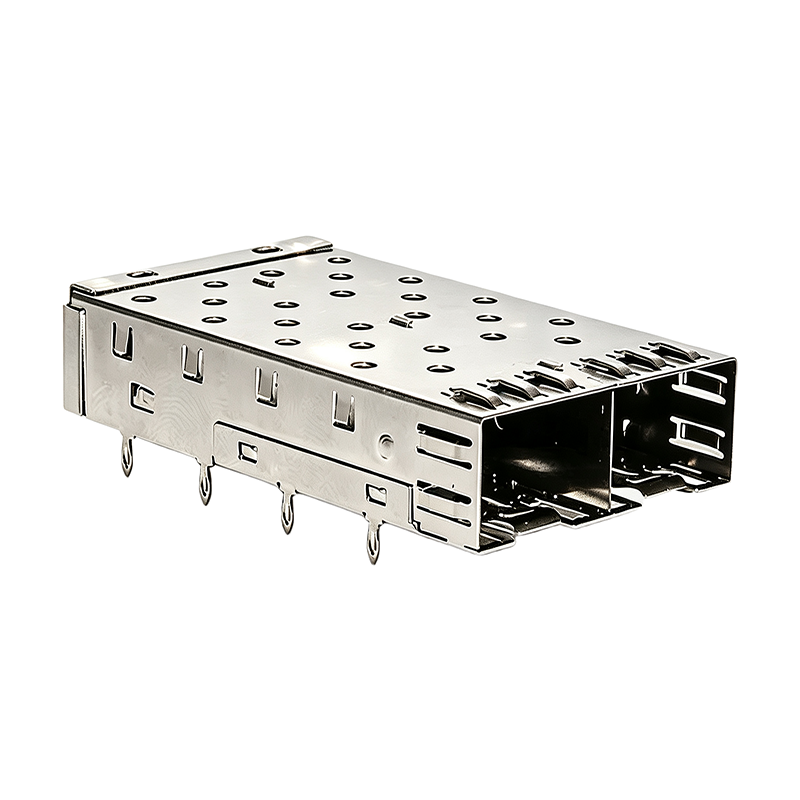
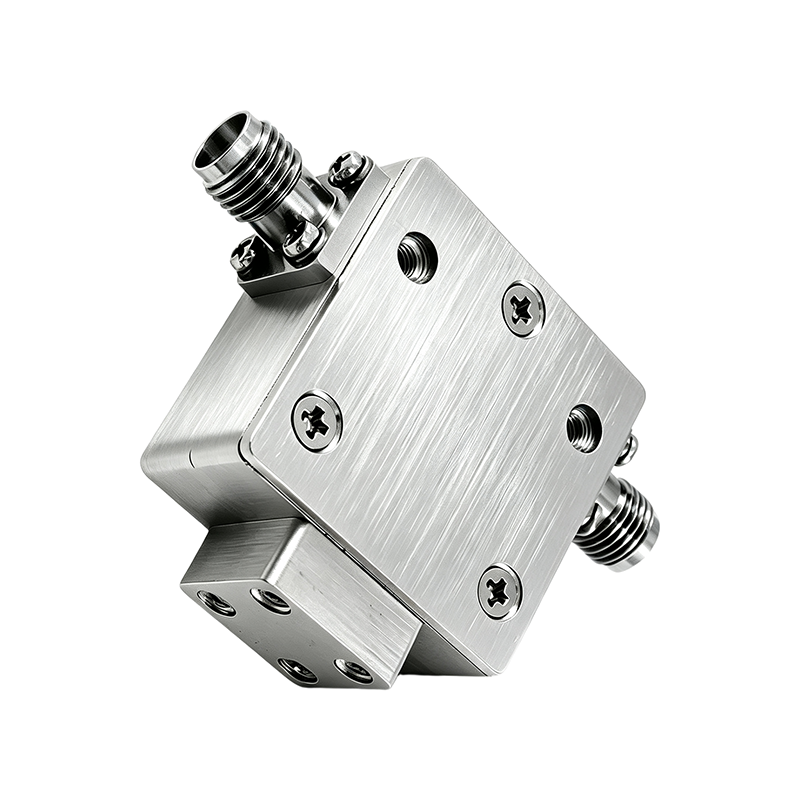
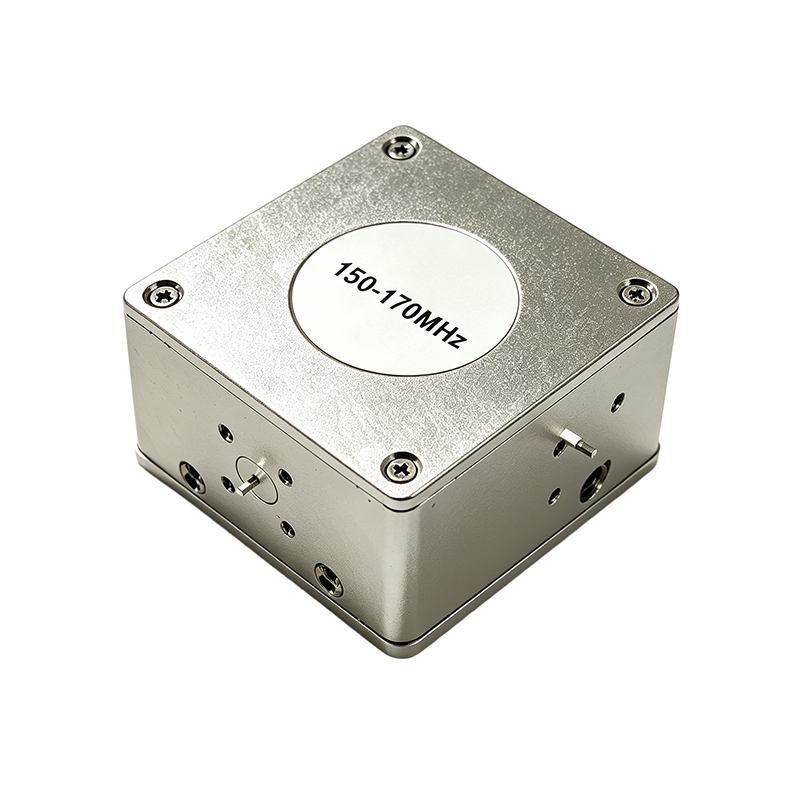
RF duplexer housings are essential mechanical components used in telecom RF systems to protect and support internal duplexer assemblies. These housings require precise machining of cavities, mounting interfaces, and connector structures to ensure proper integration with communication equipment.
FlexiTurn provides custom CNC machined RF duplexer housings based on customer drawings, CAD files, or samples, supporting non-standard designs for different RF applications.
Custom RF Duplexer Housing Manufacturing
RF duplexer housings are usually not standard components. Different telecom equipment designs require customized housing structures based on frequency requirements, installation space, and internal component layouts.
FlexiTurn supports customization of:
- Overall housing dimensions and external profiles
- Internal cavity structures and pocket designs
- Cavity wall thickness and separation features
- Connector mounting positions and interface designs
- Threaded holes, mounting holes, and assembly features
- Cover plate structures and sealing interfaces
Our engineering team works with customer-provided drawings or samples to manufacture housings that match specific equipment requirements.
Materials for RF Duplexer Housings
Material selection depends on mechanical strength, weight requirements, thermal management, and application environment.
Common materials include:
6061 Aluminum Alloy
- Lightweight and easy to machine
- Suitable for most telecom RF housing applications
7075 Aluminum Alloy
Higher strength for demanding structural requirements
Stainless Steel
Used when higher strength and durability are required
CNC Machining and Finishing Capabilities
RF duplexer housings often involve complex cavity structures and precise interfaces. FlexiTurn provides:
- CNC milling for internal cavities and complex geometries
- Precision drilling and threading for mounting features
- Surface finishing for appearance and corrosion resistance
- Dimensional inspection to verify critical features
Prototype to Production Support
FlexiTurn supports the complete manufacturing process from prototype development to small-batch production. Based on customer CAD files, drawings, or physical samples, we provide flexible manufacturing support for customized telecom RF components.
With factory-direct production and engineering support, FlexiTurn helps customers develop reliable RF duplexer housing components for communication equipment.

Q1. What types of machining services do you offer?
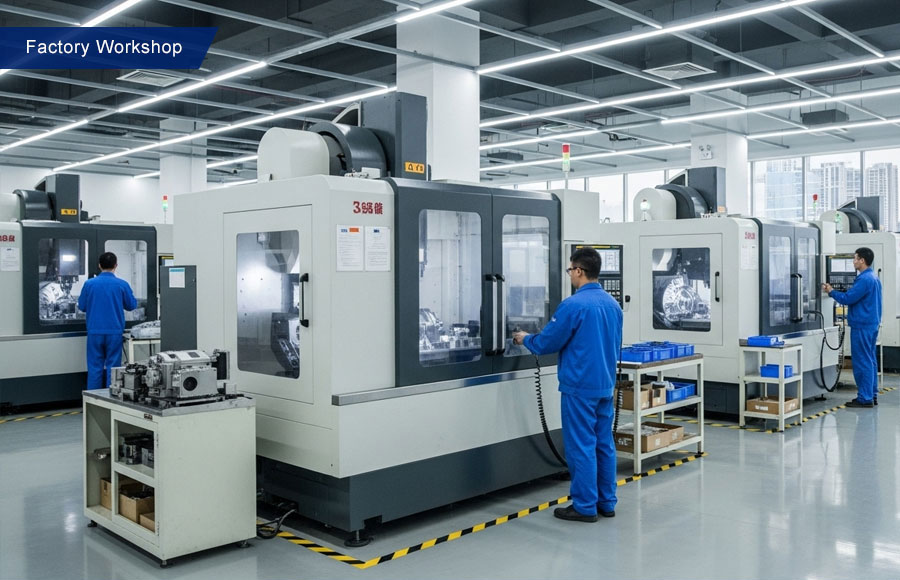
We provide comprehensive CNC turning and milling services. FlexiTurn machines are equipped with 8-station programmable turrets and support both turning and 5-axis milling operations, making them suitable for everything from simple cylindrical parts to complex multi-axis components.
Q2. What materials can you work with?
We machine a wide range of materials including carbon steel, stainless steel, aluminum, plastics, and other engineering-grade materials. If you have a specific material in mind, just send us your requirements and we'll confirm feasibility.
Q3. What is your typical lead time?
Lead times vary depending on part complexity, quantity, and material availability. For prototypes and small-batch runs, we typically deliver within 5–10 business days. For high-volume production, we'll provide a customized schedule after reviewing your drawings. Contact us with your project details for an accurate timeline.
Q4. How do you price your services?
Pricing is based on several factors: material cost, machining time, tooling requirements, setup complexity, and order quantity. We offer competitive rates for both low-volume prototypes and high-volume production runs. Request a quote with your CAD files or drawings and we'll get back to you within 24 hours.
Q5. What quality control measures do you have in place?
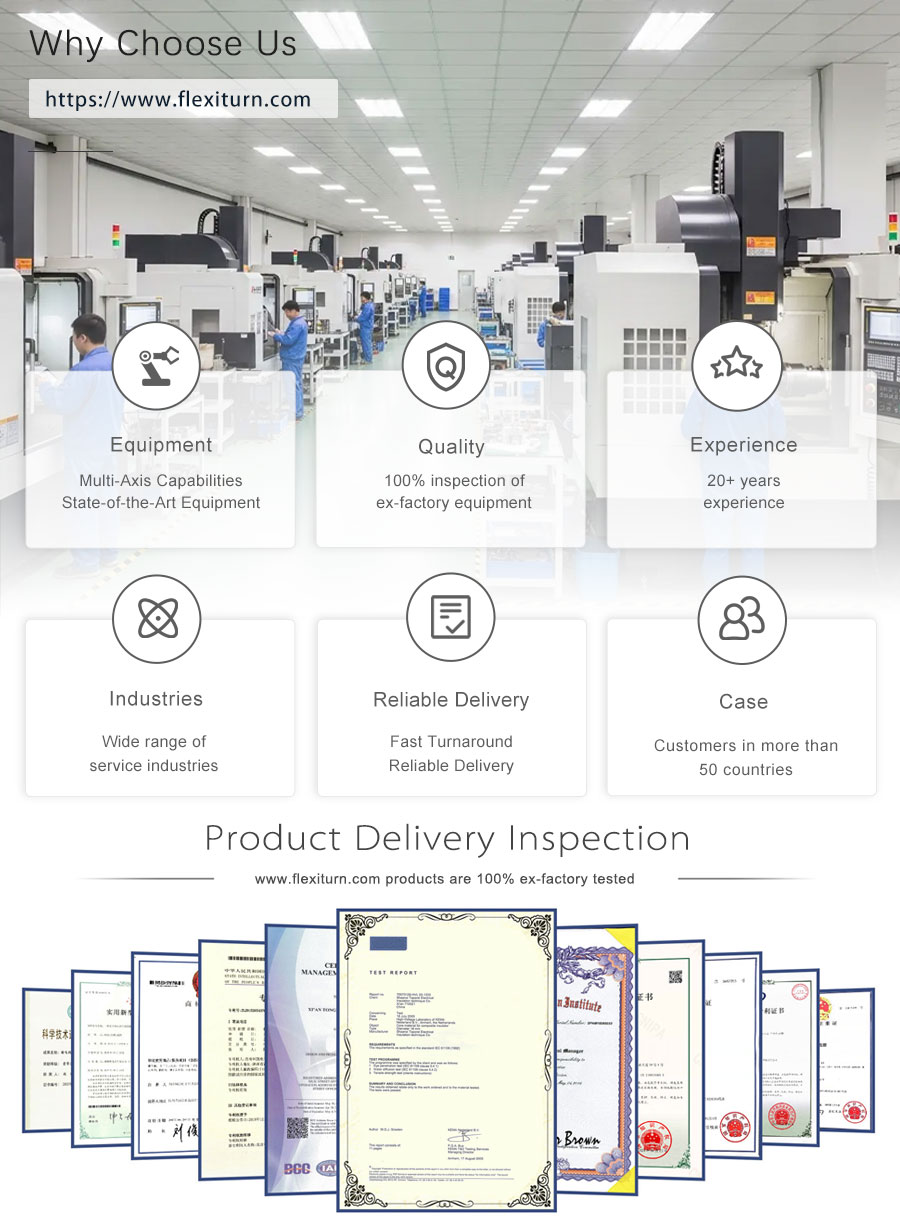
We follow strict quality control procedures throughout the machining process. Our CNC systems support programmable precision down to 1 μm, ensuring high accuracy and repeatability. Every batch undergoes dimensional inspection before shipping, and we can provide inspection reports upon request.