Custom High Strength Aluminum CNC Parts
Product Overview:
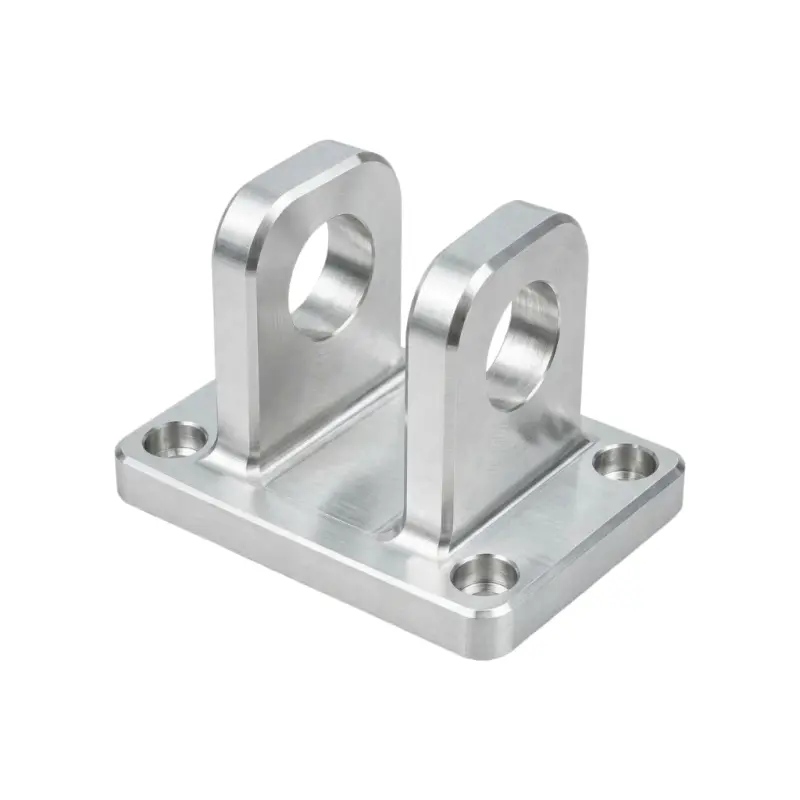
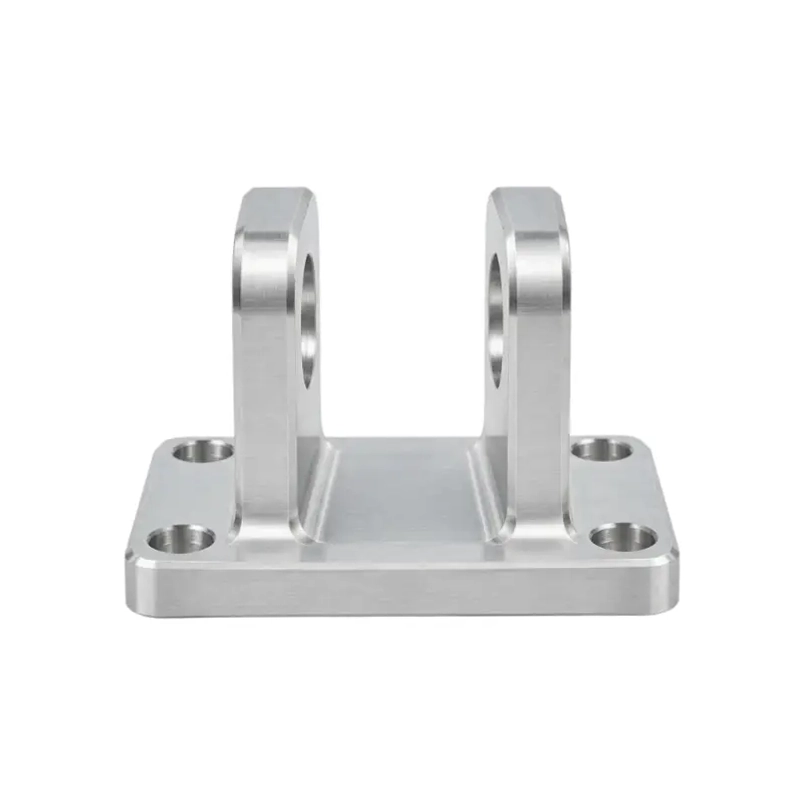
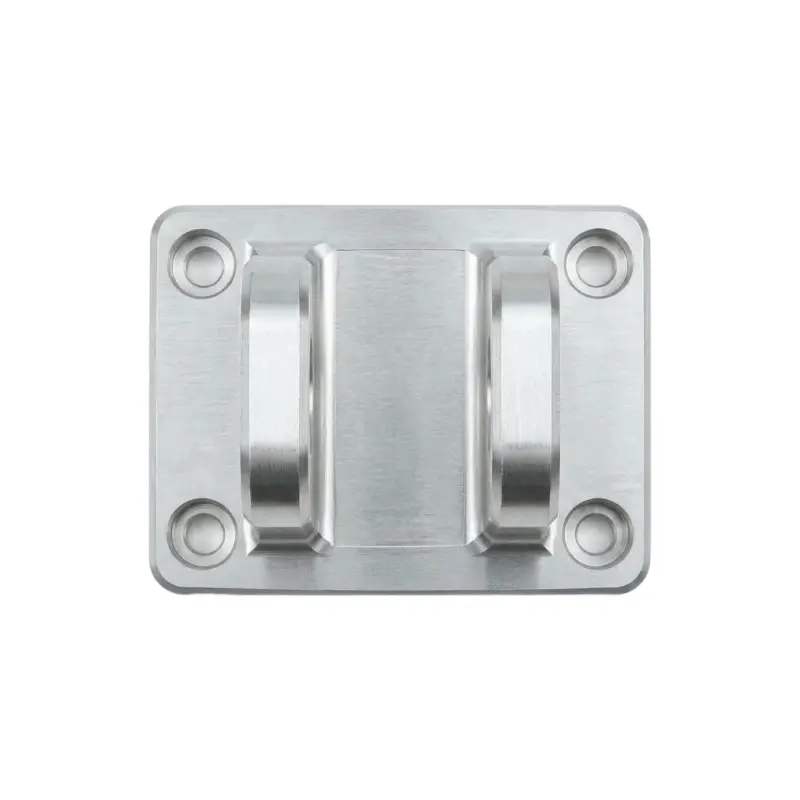
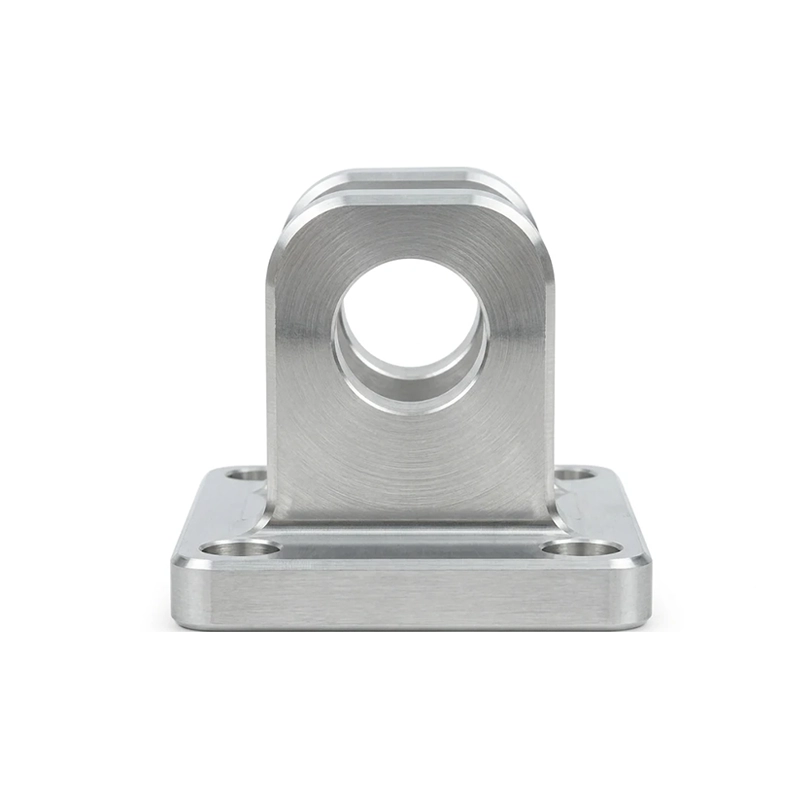
FlexiTurn custom CNC machines high-strength aluminum clevis mounting brackets from 7075-T651 and 2024-T351 stress-relieved stock to your 2D/3D CAD data. We manage the two failure modes that dominate this part class — residual-stress distortion on high-strength alloys and coaxial pin-bore misalignment across twin clevis ears — through T651 stock selection, sequenced roughing, and single-setup line-boring or reaming of the pivot holes. Prototype through production.
Workmanship: CNC Milling, CNC Drilling, 4 Axis CNC Machining
Material: Aluminum
Inquiry Email: sales@flexiturn.com
Custom High Strength Aluminum CNC Parts Details
Why 7075 or 2024 instead of 6061? Usually for slim ear sections with real load capacity. That choice raises two risks a generic 6061 bracket does not have.
Coaxiality across the two ears.The pin must pass through both bores on a common axis. Separate setups stack re-clamping error directly as bore-to-bore misalignment — a pin that does not drop cleanly causes binding, side load, and accelerated wear. We line-bore or ream both bores in a single setup from a common datum, holding coaxiality at ≤0.015 mm TIR after unclamping and bore-to-base perpendicularity at ≤0.02 mm.
Residual-stress distortion. 7075 and 2024 carry higher internal stress than 6061; milling the relief pocket and shaping the ears releases it unevenly, and the bracket can bow after unclamping, twisting the bore axes out of parallel. We start from T651/T351 stress-relieved stock and remove bulk material in staged roughing passes before finish boring. Pin bores are held to ±0.01 mm at Ra 0.8–1.6 μm.
Materials
- 7075-T651 — default for high-strength clevis brackets; higher strength-to-weight than 6061, suitable for slim ears and load-bearing pivot joints.
- 2024-T351 — alternative high-strength alloy with good fatigue resistance, for brackets requiring specific fatigue or damage-tolerance characteristics.
- 6061-T651 — where load allows, at lower cost and with consistent anodizing response.
All material arrives with documented mill certificates and heat-number traceability; temper is verified against the drawing or agreed during DFM review. CMM and bore-gauge reports accompany production orders. The quality system is ISO 9001:2015 certified.
Finishing
Bare high-strength aluminum corrodes in service. We coordinate Type II or Type III anodizing (black, clear, or custom), bead blasting for a matte finish, or chromate conversion coating where conductivity is required. Anodizing builds oxide on the pin bores; we pre-compensate bore dimensions at the machining stage so the final pin fit holds after coating.
Why FlexiTurn
We review ear wall thickness, bore-to-edge distance, and coaxiality feasibility against your drawing before quoting — not after. We recommend the alloy based on load and fatigue requirements, not what is in stock. There is no hard tooling cost: CNC works directly from your CAD file, and revisions are made in software. Drawings are handled under confidentiality.
These brackets ship into automation machinery, robotics, industrial equipment, and naerospace / automotive applications.
Send your 2D/3D CAD files — specify the alloy and temper, pin-bore tolerance, and finish. Our engineering team reviews distortion risk, bore coaxiality feasibility, and anodizing allowance, then returns a quote with DFM feedback.
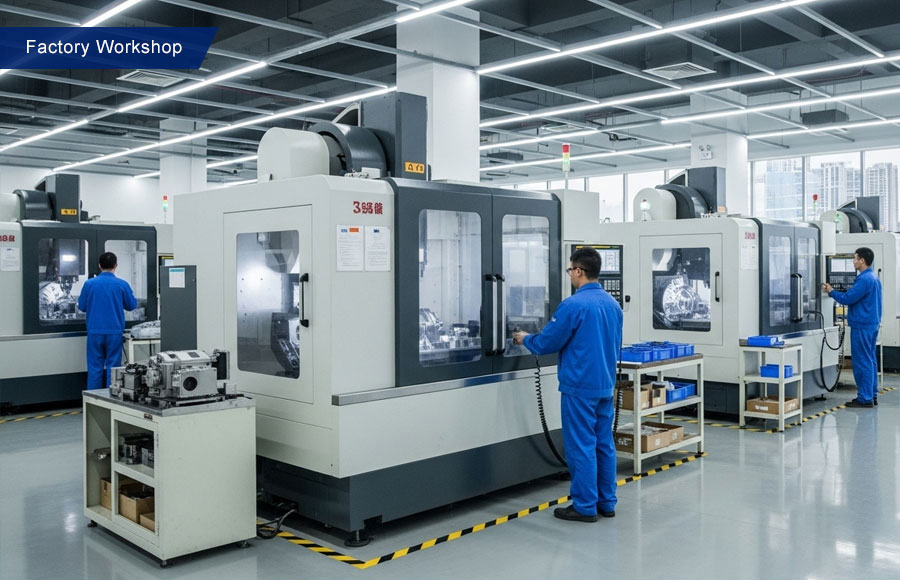
This clevis bracket is one part class among many. FlexiTurn's core service is precision CNC machining — turning, milling, and secondary finishing of custom metal and engineering-plastic components across production programs. Send us your drawing.

Q1. What types of machining services do you offer?
We provide comprehensive CNC turning and milling services. FlexiTurn machines are equipped with 8-station programmable turrets and support both turning and 5-axis milling operations, making them suitable for everything from simple cylindrical parts to complex multi-axis components.
Q2. What materials can you work with?
We machine a wide range of materials including carbon steel, stainless steel, aluminum, plastics, and other engineering-grade materials. If you have a specific material in mind, just send us your requirements and we'll confirm feasibility.
Q3. What is your typical lead time?
Lead times vary depending on part complexity, quantity, and material availability. For prototypes and small-batch runs, we typically deliver within 5–10 business days. For high-volume production, we'll provide a customized schedule after reviewing your drawings. Contact us with your project details for an accurate timeline.
Q4. How do you price your services?
Pricing is based on several factors: material cost, machining time, tooling requirements, setup complexity, and order quantity. We offer competitive rates for both low-volume prototypes and high-volume production runs. Request a quote with your CAD files or drawings and we'll get back to you within 24 hours.
Q5. What quality control measures do you have in place?
We follow strict quality control procedures throughout the machining process. Our CNC systems support programmable precision down to 1 μm, ensuring high accuracy and repeatability. Every batch undergoes dimensional inspection before shipping, and we can provide inspection reports upon request.